Vegetal Notes
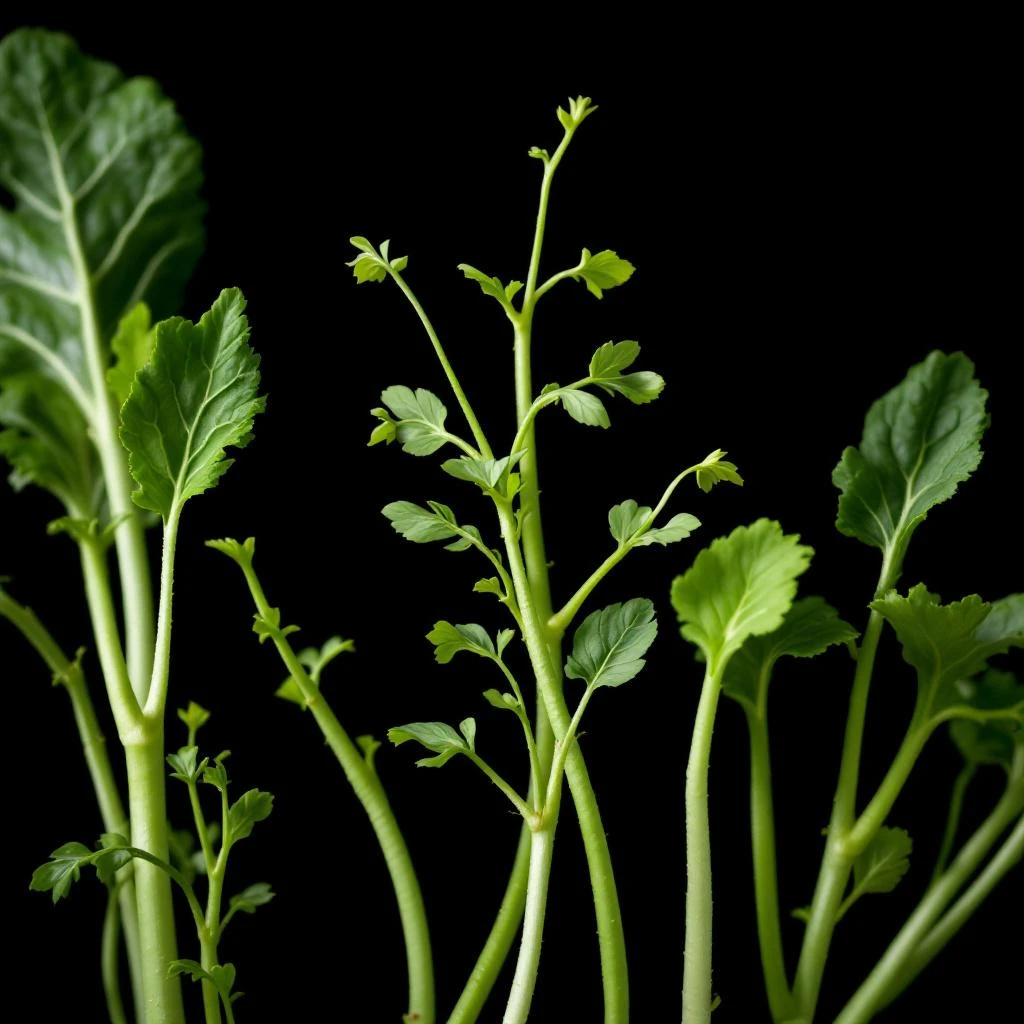
Vegetal notes represent aromatic materials derived from edible plants beyond traditional florals. Carrot seed, tomato leaf, and similar vegetable-sourced essences bring fresh, crisp, green, and earthy qualities to compositions. These ingredients connect fragrance to the kitchen garden, offering a naturalistic authenticity increasingly valued in modern perfumery.
Character
How it smells
From kitchen garden to fragrance: the fresh vocabulary of vegetables in scent
Carrot seed essence costs approximately 50 times less than precious iris rhizome while delivering strikingly similar powdery, violet-like undertones.






Origin
France
The use of vegetable-derived materials in fragrance traces back to ancient civilizations where aromatic plants served dual purposes in worship and healing. Egyptians utilized oils from flowers, resins, and botanicals, establishing the foundation for natural perfumery that would evolve through millennia. The Islamic Golden Age marked a pivotal advancement when Avicenna invented steam distillation around the 11th century, enabling pure extraction of flower essences and expanding the perfumer's palette beyond simple infused oils.
India and China incorporated vegetable-derived materials into their healing traditions, with sandalwood and jasmine becoming integral to Ayurvedic practices. During the Renaissance, natural perfumery reached Europe through Islamic civilization, and France gradually emerged as the center of botanical essence production, particularly in Grasse. The contemporary surge in vegetal notes reflects a return to naturalistic perfumery, where consumers increasingly seek ingredients expressing nature, the countryside, and organic authenticity.
Perfumers now explore an expanding vocabulary of vegetable-sourced materials, transforming kitchen garden produce into sophisticated aromatic materials.
Wears it best
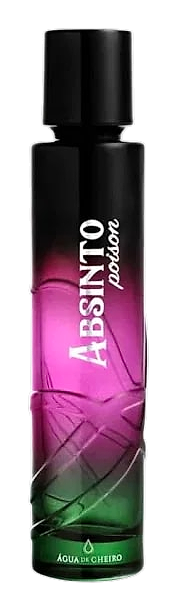
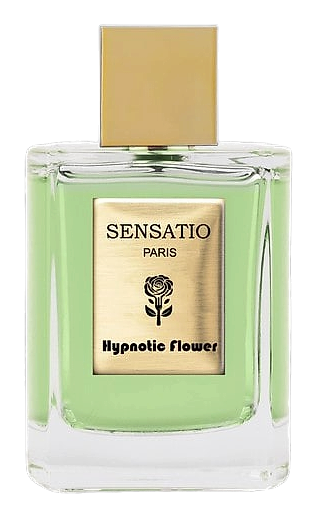
Fragrances featuring Vegetal Notes





Brands
Brands known for Vegetal Notes
Good to know
Questions, answered
The essentials on Vegetal Notes in perfumery: how it smells, where it comes from, and how it behaves on skin.
What does Vegetal notes smell like in perfume?
Vegetal notes smell fresh, crisp, and green with earthy undertones. Carrot seed delivers woody, powdery, slightly spicy characteristics reminiscent of dried apricots, while tomato leaf accord provides a lively, crisp green freshness. These notes evoke the scent of a vegetable garden just after rain.
Why is Vegetal notes used in perfumery?
Vegetal notes add naturalistic authenticity and freshness to compositions. They create a garden-to-skin quality impossible to achieve with traditional floral or citrus ingredients. French carrot seed production reaches approximately 1,000 tons annually, reflecting strong industry demand for these organic, vegetable-sourced materials.
Is Vegetal notes in perfume natural or synthetic?
Vegetal notes are primarily natural ingredients. Carrot seed essence comes from steam-distilled seeds, and other vegetable materials use CO2 or solvent extraction. Tomato leaf represents a notable exception as a reconstructed accord, though natural perfumers increasingly recreate it using plant-derived isolates.
What famous perfumes contain Vegetal notes?
Edmond Roudnitska pioneeringly used high percentages of carrot seed in Rose de Rochas (1949). Modern fragrances include Un Jardin sur le Nil by Hermès, Dior Homme, Iris Silver Mist by Serge Lutens, and Santal Blush by Tom Ford, all featuring carrot seed as a key ingredient.
Is Vegetal notes a top note, heart note, or base note?
Vegetal notes function across multiple positions depending on the material. Carrot seed essence typically appears in base notes where its powdery, woody character deepens over time, lasting several hours. Tomato leaf accord serves as a top note, providing immediate crisp green freshness.
What notes pair well with Vegetal notes in perfume?
Vegetal notes pair excellently with powdery florals like iris and mimosa, green ingredients including blackcurrant bud, and woody materials such as sandalwood. Carrot seed harmonizes with violet, another powdery component, and can evoke mango when combined with blackcurrant bud.
How is Vegetal notes extracted?
Vegetal ingredients use extraction methods suited to their plant parts. Seeds undergo steam distillation, the technique Avicenna pioneered around the 11th century. Leaves require CO2 or solvent extraction for delicate aromatic molecules. Actual vegetable roots rarely yield extracts, so perfumers work with seeds and foliage instead.
Is Vegetal notes used in men's or women's fragrances?
Vegetal notes appear across gender categories in modern perfumery. Carrot seed features prominently in masculine compositions like Dior Homme and feminine fragrances including Hiris by Hermès. The fresh, green character appeals universally, reflecting perfumers treating vegetal ingredients as gender-neutral components.