Character
The Story of Vanilla Tincture
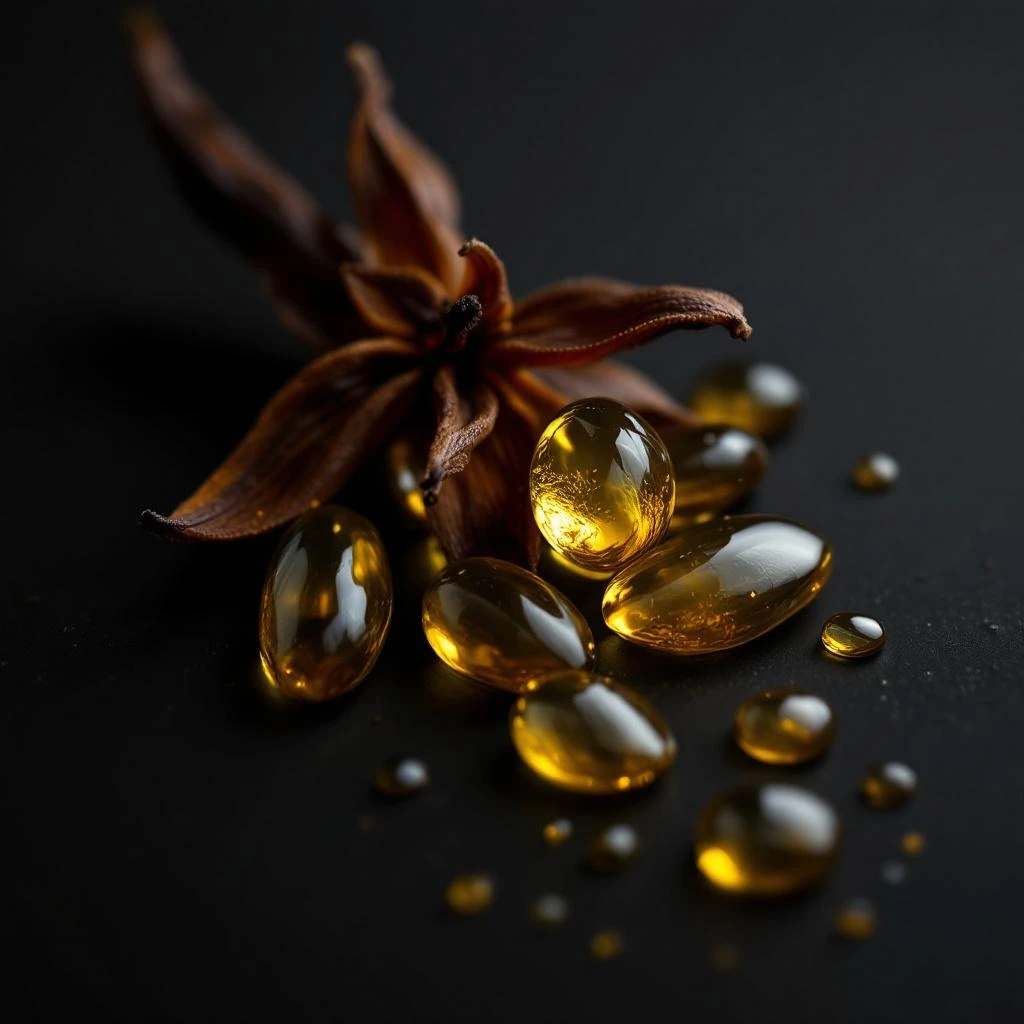
Vanilla tincture captures the essence of cured Vanilla planifolia pods through months of ethanol maceration, yielding a warm, creamy aromatic extract that perfumers have valued since apothecary traditions of 18th-century Europe.
Heritage
Vanilla's story begins in Mesoamerica, where the Totonac people of what is now Mexico cultivated Vanilla planifolia for centuries before European contact. The Aztecs prized the cured pods, using them to flavor the bitter cacao drink xocolātl. Spanish conquistadors encountered vanilla in the early 1500s and introduced it to Europe, where its sweet, exotic aroma rapidly captivated luxury markets. By the 1600s, vanilla appeared in perfumery, though extracting its delicate compounds proved challenging with available techniques. The apothecary tradition of tincturing—using alcohol to capture botanical essences—offered an elegant solution. During the 18th and 19th centuries, perfumers adopted vanilla tincturing from herbal medicine practice, creating aromatic extracts that formed the base of landmark fragrances. When French colonists successfully cultivated vanilla on Reunion and later Madagascar in the 1800s, supply expanded dramatically. The subsequent isolation of vanillin by Gobley in 1858 and commercial synthesis by Tiemann and Haarmann in 1874 reshaped the industry, making vanilla's signature scent widely accessible in synthetic form. Despite this, natural vanilla tincture never disappeared from niche perfumery, where its complex, multi-layered aroma continues to command premium pricing and artistic respect.
At a Glance
1
Feature this note
Madagascar
Primary source region
Ingredient Details
Ethanol tincturing
Cured pods ( Vanilla planifolia )
Did You Know
"Vanilla is the only edible fruit-bearing orchid on Earth, and every flower must be hand-pollinated to produce pods."