Vanilla Cake
Vanilla is a warm, sweet base note prized in perfumery for its rich, comforting aroma that adds depth and sensuality to fragrance compositions. As one of the most recognizable ingredients in the perfumer's palette, it ranges from creamy and lactonic in fine varieties to darker, more resinous tones in concentrated absolutes.
Character
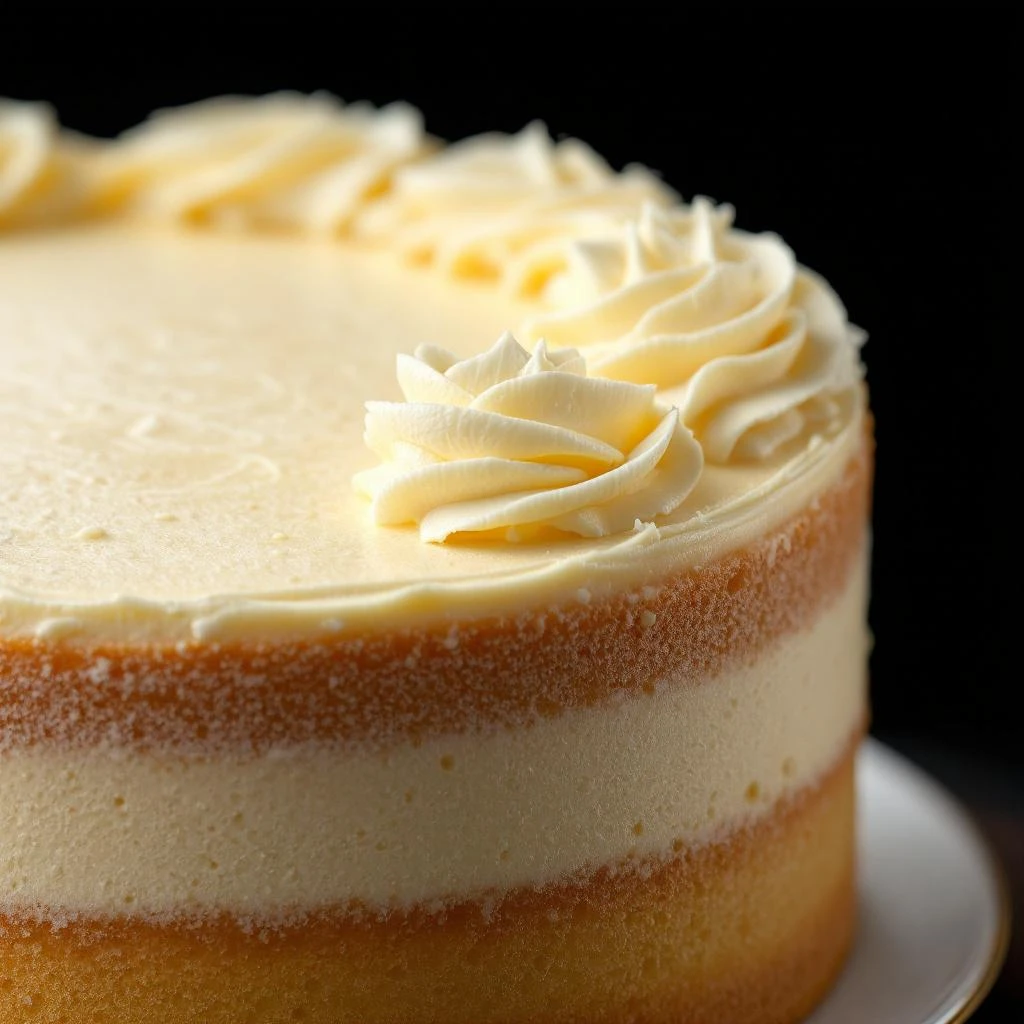
How it smells
Warm comfort captured in scent, vanilla brings an edible sweetness that defines modern gourmand perfumery.
Vanilla is the second most expensive spice after saffron because each flower must be hand-pollinated and the pods require six to nine months of curing before use.





Origin
Mexico
Vanilla traces its roots to Mesoamerica, where Indigenous peoples in what is now southeastern Mexico first domesticated Vanilla planifolia. The Aztecs used vanilla to flavor their prized xocolatl, a bitter cacao drink, and it was this combination that Spanish conquistadors encountered upon their arrival in the early 1500s. The Spanish brought vanilla to Europe, where it was initially used solely to flavor chocolate and beverages before its broader potential was recognized.
For nearly three centuries after its introduction to Europe, vanilla resisted cultivation outside Mexico. The mystery puzzled botanists: the vines grew vigorously but refused to flower or set fruit. The answer arrived in 1836 when a Belgian botanist discovered the vine required manual pollination. A few decades later, Edmond Albius, an enslaved boy on the French island of Reunion, developed the simple hand-pollination technique still used today. This breakthrough enabled cultivation in the French colonies of the Indian Ocean, with Madagascar eventually becoming the world's dominant producer. Today, vanilla remains one of the most labor-intensive agricultural products, its value as a perfume ingredient now rivaling its culinary fame.
Wears it best
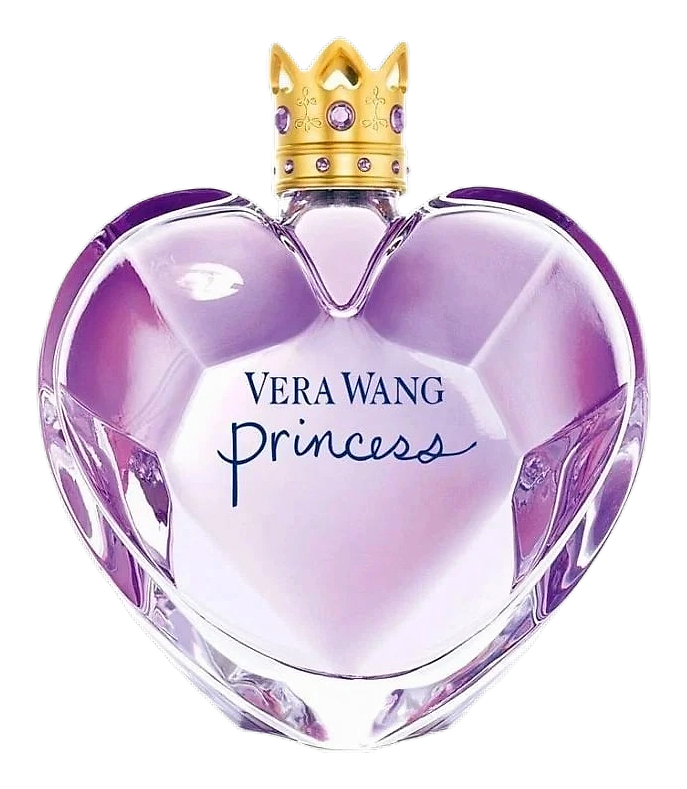
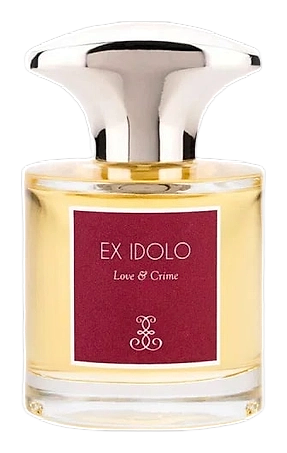
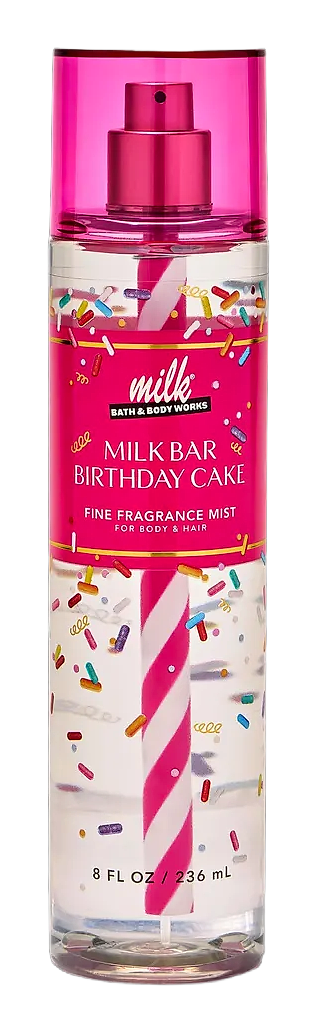
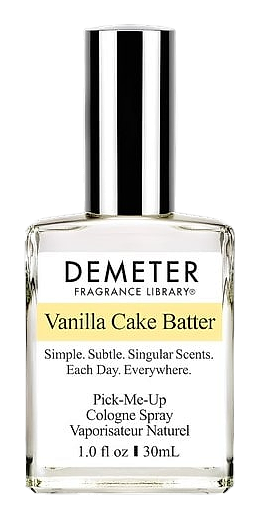
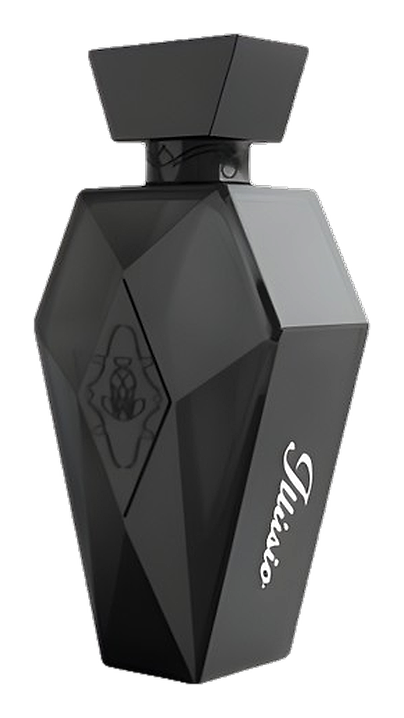
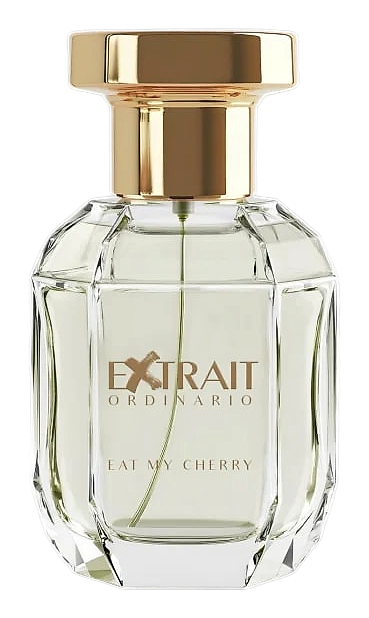
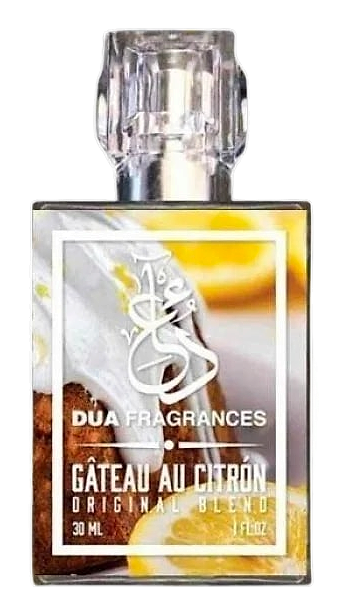
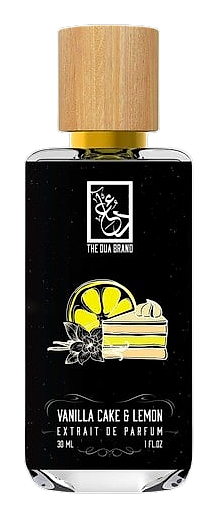
Fragrances featuring Vanilla Cake
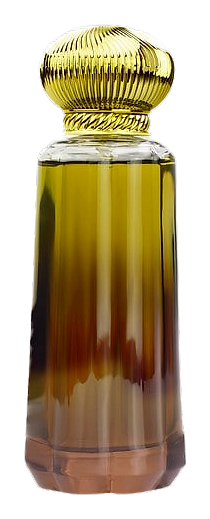
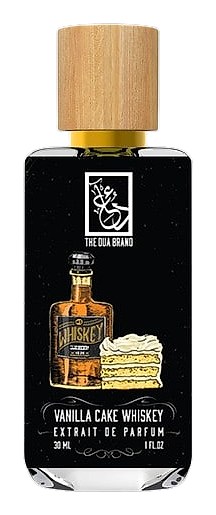
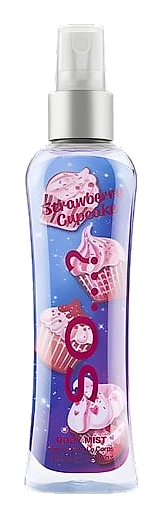
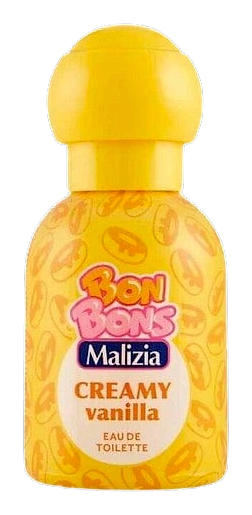
Brands
Brands known for Vanilla Cake
Good to know
Questions, answered
The essentials on Vanilla Cake in perfumery: how it smells, where it comes from, and how it behaves on skin.
What does Vanilla Cake smell like in perfume?
Vanilla in perfume smells creamy, warm, and sweet with a distinct vanillin character that recalls baked goods and dessert. High-quality natural vanilla absolute offers complex nuances including tobacco, leather, and balsamic undertones, while synthetic vanillin delivers a cleaner, more straightforward sweet-creamy impression.
Why is Vanilla Cake used in perfumery?
Vanilla is used as a base note and fixative because its large molecular structure evaporates slowly, helping a fragrance last longer on skin. Perfumers value its versatility, using it to add warmth, depth, and an edible quality to oriental, gourmand, and even floral compositions.
Is Vanilla Cake in perfume natural or synthetic?
Both forms appear in perfumery. Natural vanilla absolute comes from cured pods and contains vanillin plus hundreds of trace compounds creating rich complexity. Synthetic vanillin, derived from guaiacol or lignin, costs a fraction of the natural form and enables wider use in mass-market fragrances. Many luxury perfumes use a blend of both.
What famous perfumes contain Vanilla Cake?
Several landmark fragrances feature vanilla prominently. Guerlain Shalimar uses vanilla as a foundational base note alongside bergamot and iris. Tom Ford Tobacco Vanille pairs vanilla with tobacco and spices. Kayali Vanity 41 and Commodity Gold both build entire fragrance identities around vanilla's warm, enveloping character.
Is Vanilla Cake a top note, heart note, or base note?
Vanilla functions almost exclusively as a base note due to its low volatility and high molecular weight. The molecule takes several minutes to reach peak perception on skin and can remain detectable for twelve or more hours. This longevity makes vanilla one of the most reliable base notes in a perfumer's toolkit.
What notes pair well with Vanilla Cake in perfume?
Vanilla pairs naturally with warm, resinous ingredients like amber, labdanum, sandalwood, and benzoin for oriental effects. Gourmand pairings include tonka bean, caramel, coconut, and cocoa. Floral combinations with jasmine or iris, and contrasting pairs with fresh bergamot or spice-forward accords, also produce compelling results.
Where does Vanilla Cake come from?
Vanilla originated in Mexico, where Vanilla planifolia was first domesticated by Indigenous peoples in the Veracruz region. Spanish conquistadors introduced it to Europe in the 1500s. Today Madagascar produces approximately 80% of the world's vanilla, though the species traces its origins entirely to Mesoamerica.
Is Vanilla Cake used in men's or women's fragrances?
Vanilla is fully gender-neutral in contemporary perfumery. Historically associated with feminine florals and orientals, it now appears equally in masculine fragrances, particularly in tobacco, leather, and fougere compositions. Perfumers treat vanilla as a universal ingredient rather than a gendered one.