Character
The Story of Tuscan leather
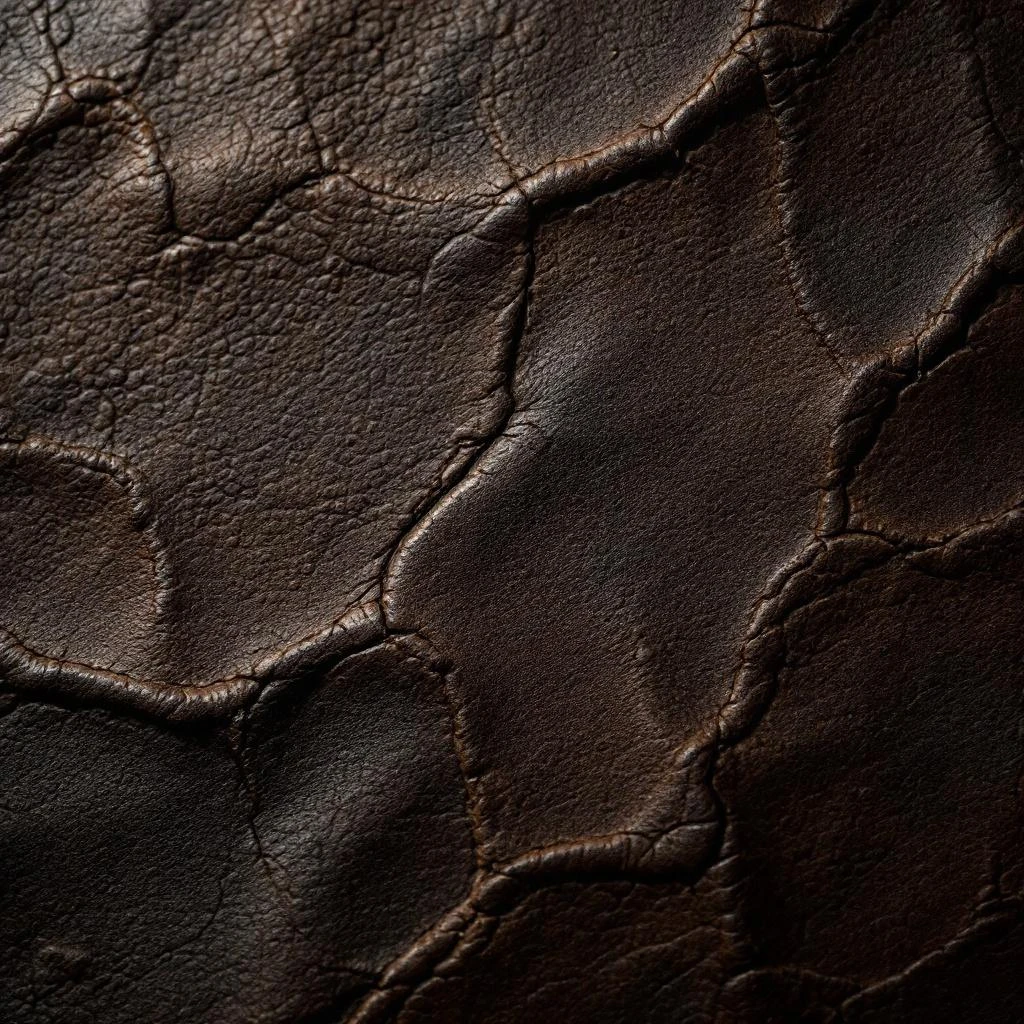
Tuscan Leather captures the sun‑warmed, dry leather of a Tuscan saddle, blending smoky birch tar, sweet saffron and a hint of dried fruit for a rich, tactile aroma.
Heritage
Leather and scent have shared a path for millennia. Archeological evidence shows that by 2000 BC artisans in Asia treated freshly cured hides with kumquat bark to soften the odor of tannins. In Europe, the 18th‑century tanning guilds added aromatic herbs to their vats, creating the first recognizable leather perfumes. By the mid‑1800s, leather‑infused colognes appeared in Parisian boutiques, catering to gentlemen who prized the scent of a well‑worn coat. The modern leather note crystallized in the 20th century when synthetic aromachemicals replicated the dry, smoky character of cured hide. Tom Ford’s 2007 launch of Tuscan Leather re‑introduced the accord to a new audience, pairing raspberry, saffron and thyme with the iconic leather base, and cementing its place in contemporary perfumery.
At a Glance
2
Feature this note
Italy
Primary source region
Ingredient Details
Synthetic
Birch bark, labdanum resin, synthetic aromachemicals
Did You Know
"The original Tuscan Leather scent was inspired by a 2007 Tom Ford launch, but the note traces back to ancient Asian leather‑curing practices that used kumquat bark to mask harsh tannins."
Pyramid Presence