Character
The Story of Tuscan cypress
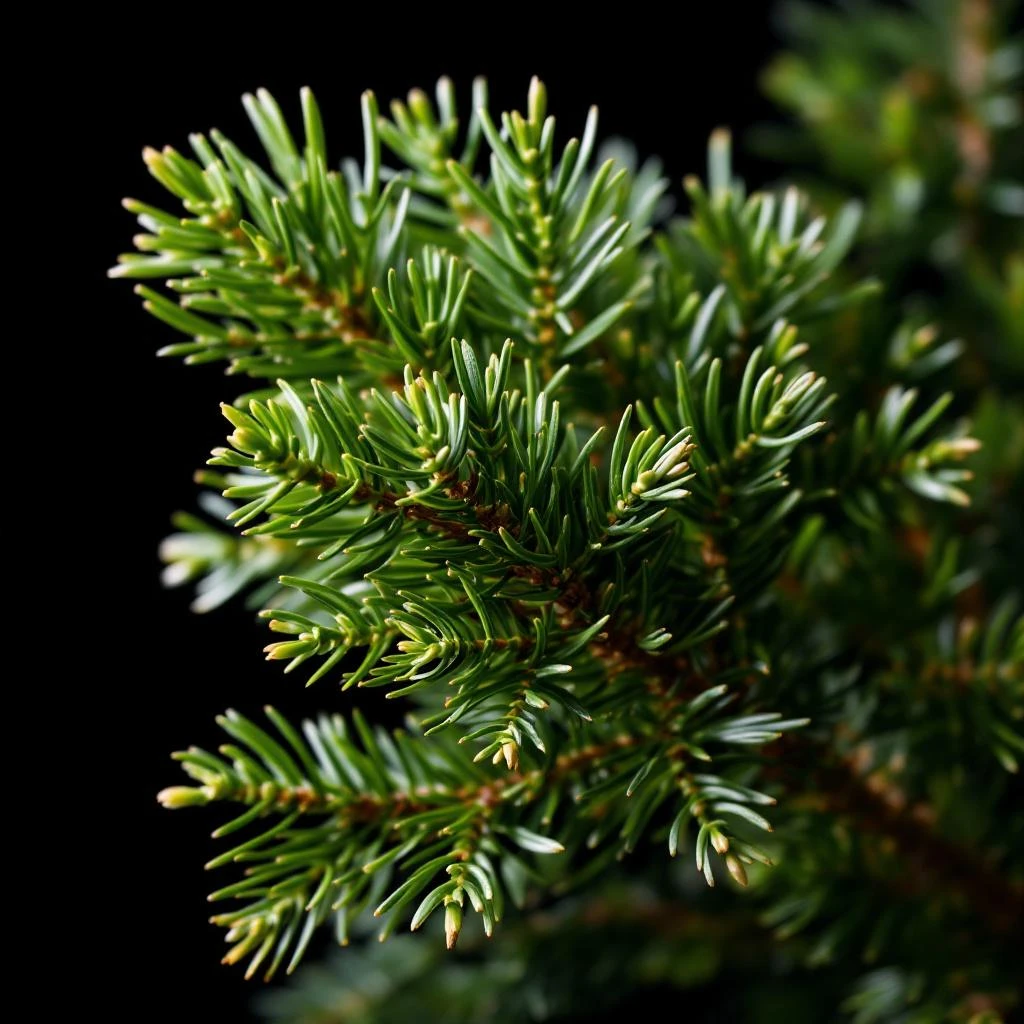
Tuscan cypress delivers a crisp, green-woody aroma tinged with bright citrus, echoing the sun-kissed hills of Italy’s countryside. Its scent conjures the cool shade of ancient groves, grounding modern blends with a timeless Mediterranean spirit.
Heritage
Cypress has anchored Mediterranean culture for millennia. Ancient Egyptians recorded cypress resin in embalming formulas as early as 3000 BCE, valuing its preservative qualities. The Romans planted cypress groves along villas and used the leaf oil in funeral incense, believing its scent guided spirits. During the Middle Ages, monastic gardens cultivated cypress for liturgical perfumery, and the oil appeared in trade records from the port of Ostia in the 12th century. By the 18th century, Tuscan cypress oil entered European apothecaries as a tonic and aromatic component. Its resurgence in modern niche perfumery reflects a renewed interest in authentic, region-specific botanicals, linking contemporary creators to a lineage that stretches back over four thousand years.
At a Glance
1
Feature this note
Italy
Primary source region
Ingredient Details
Steam distillation
Dried leaves
Did You Know
"Cypress oil was a key component of Roman funeral rites, believed to protect the soul; the same oil still appears in contemporary perfumery, linking past and present."