Character
The Story of Turkish rose Orpur
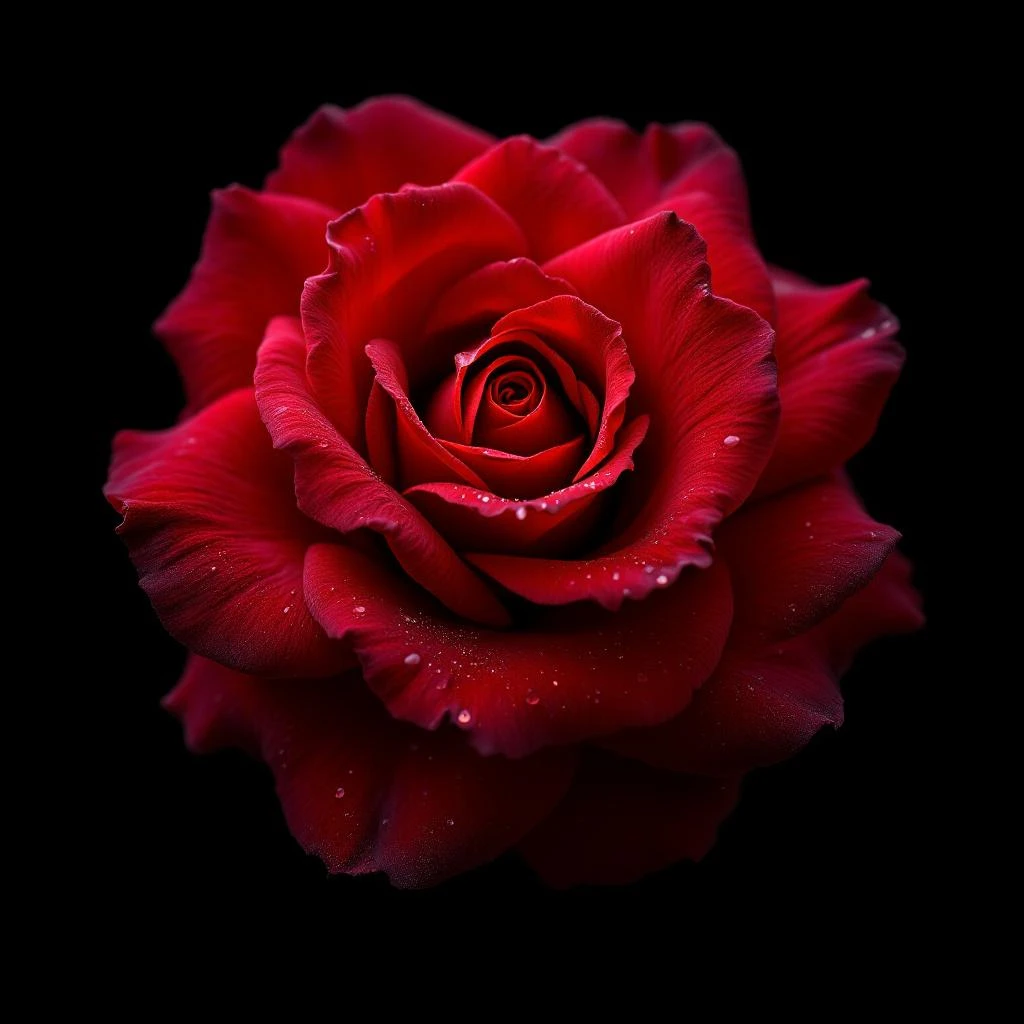
Turkish Rose Orpur captures the iconic Damask rose aroma, refined from petals that have already yielded oil, delivering a rich, velvety bouquet with bright floral heart and subtle green nuance.
Heritage
Turkish rose, known as Rosa × damascena, first appeared in the gardens of ancient Persia, where royalty prized its scent for ceremonial incense. The plant spread to the Ottoman Empire in the 15th century, and Turkish artisans refined harvesting rituals that still guide modern growers. By the late 18th century, the rose adorned the courts of Marie Antoinette, cementing its status in European perfumery. In the early 20 century, Turkish rose water became a staple in cosmetics and culinary arts, supporting a regional economy that exported millions of kilograms of oil each year. Today, the rose remains a cultural emblem of Turkey, celebrated each spring during the Isparta Rose Festival, where visitors witness the delicate hand‑picking that sustains the legacy of this timeless fragrance.
At a Glance
1
Feature this note
Turkey
Primary source region
Ingredient Details
Solvent extraction
Exhausted rose petals
Did You Know
"The Orpur process extracts fragrance from petals already pressed for rose oil, turning waste into a high‑grade absolute and cutting water use by up to 40 % while recovering about 15 % of lost aromatic material."