Character
The Story of Turkish Rose Absolute
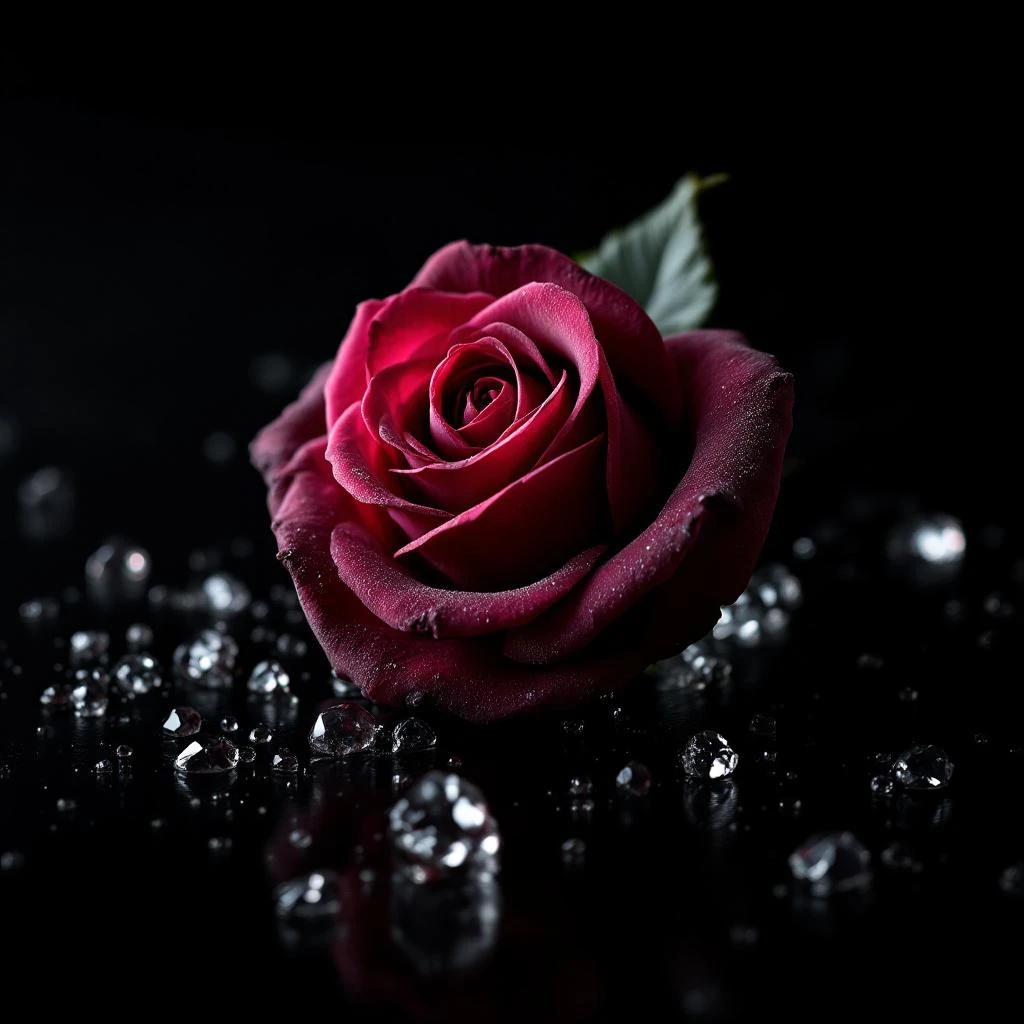
Turkish Rose Absolute captures the deep, sweet, and subtly spicy aroma of Rosa damascena, cultivated in Anatolia's highlands. This rare extract has fascinated perfumers for centuries, revealing rich layers of floral decadence with honeyed and fruity facets.
Heritage
Rosa damascena traces its origins to ancient Persia, where cultivation began along the Gulf region now known as Iran. From Persia, the flower spread through Ottoman trade routes into Bulgaria's famed Valley of Roses and Turkey's Isparta province, earning the city its title as the 'City of Roses.' The high-altitude terrain and specific climate conditions of these regions produce roses with exceptional aromatic concentration. The rose held sacred status across ancient civilizations. Persians used it in unguents, Egyptians incorporated it into cosmetics, and Greeks included it in religious rituals. The physician Avicenna documented rose water's effects on mood and cognitive function, praising its benefits for the heart and mind. Ottoman traditions wove rose water into ceremonial practices, while in the late 18th century, Marie Antoinette used rose petals in her baths. Today, Turkey remains the world's largest producer of rose otto, with Isparta alone dedicating roughly 4,000 acres to Damask rose cultivation. The flower, called gul in Turkish, has been integral to Ottoman traditions for centuries and continues shaping fine perfumery worldwide.
At a Glance
1
Feature this note
Turkey
Primary source region
Ingredient Details
Solvent extraction
Flower petals
Did You Know
"One kilogram of absolute requires approximately 800 kilograms of flowers, roughly 250,000 roses, all harvested by hand before sunrise to preserve volatile compounds."