Turkish iris
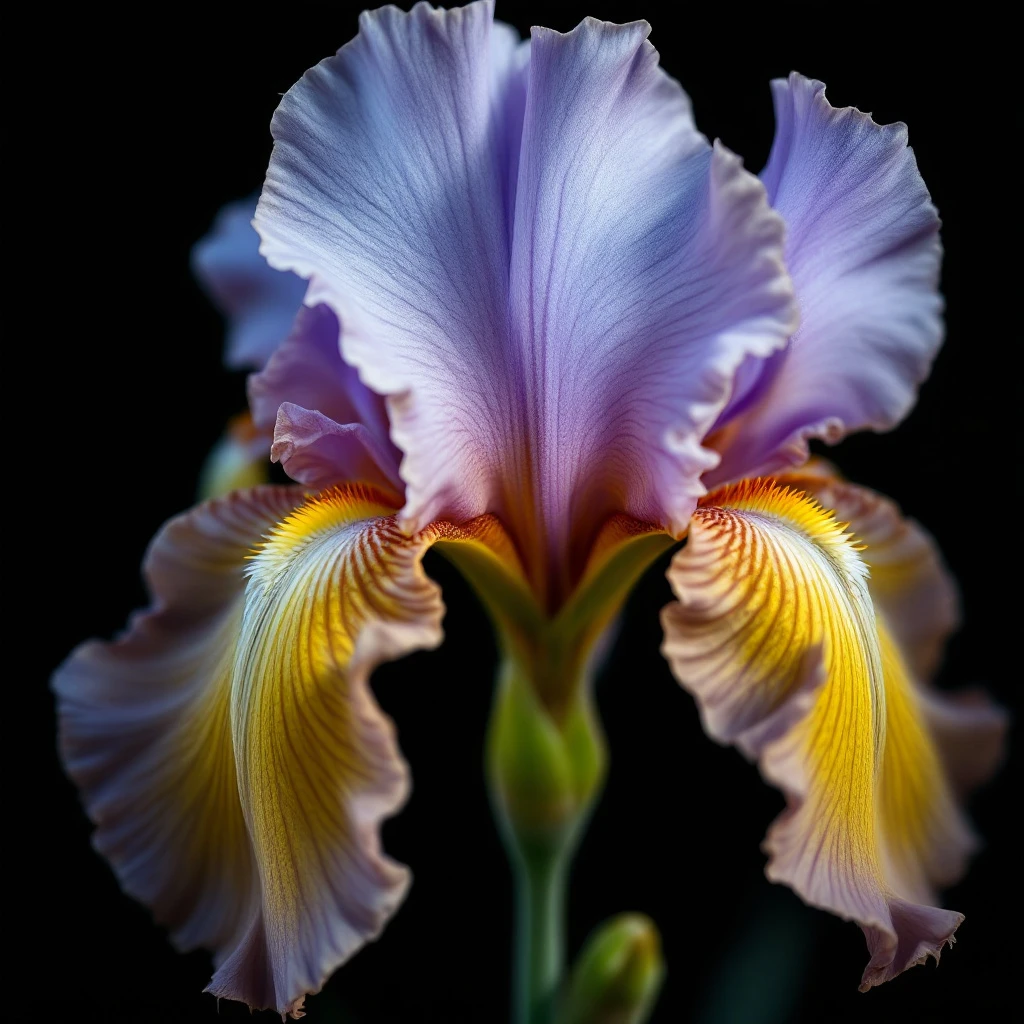
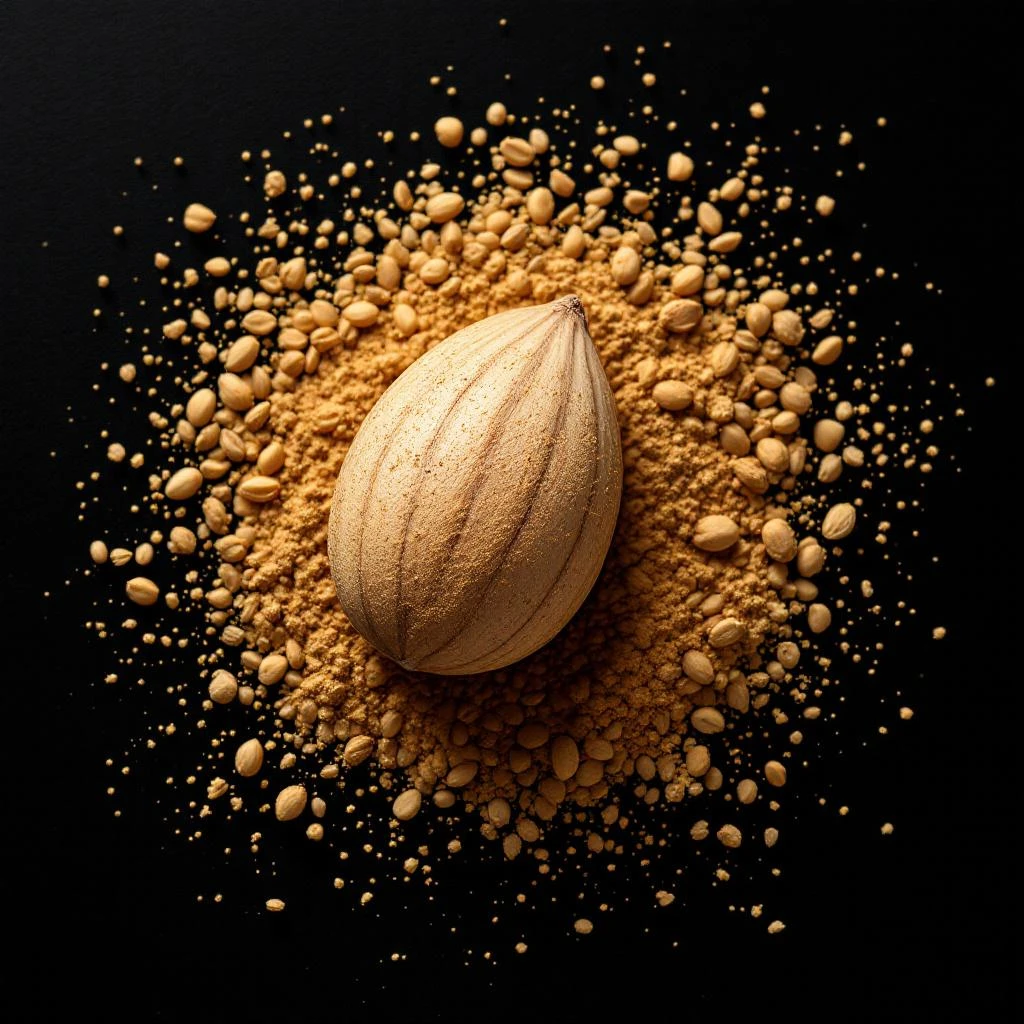
Turkish iris, sourced from the sun-drenched hills of Anatolia, delivers the fragrance industry's most coveted powdery-woody accord. Each rhizome demands years of patient aging to develop its signature velvet character, making Turkish orris a cornerstone of luxury perfumery.
Character
How it smells
Anatolia's ancient treasure, six years in the making.
It takes over 1,000 kilograms of fresh rhizome to produce just one kilogram of iris absolute.





Origin
Turkey
Anatolia has cultivated iris for millennia, with the plant woven into ceremonial and medicinal traditions long before perfumery claimed it. Ottoman traders recognized the value of locally harvested rhizomes, establishing systematic networks that moved Turkish orris across Mediterranean routes.
The ingredient gained European prominence during the Renaissance, when Catherine de Medici received rhizomes as diplomatic gifts from Ottoman suppliers. French perfumers processed this Turkish material into the powdered iris butters that defined court fragrances, cementing a cross-cultural exchange that still shapes modern perfumery.
Rhodes, the Greek island that once served as an Ottoman maritime hub, processed significant volumes of Anatolian rhizome for European trade. This island connection meant Turkish iris reached French court perfumers through Mediterranean commerce, establishing the ingredient's reputation as a luxury material.
Today, Turkey remains among the world's three primary orris producers, with cooperatives in Thrace and central Anatolia supplying major fragrance houses. The ingredient persists in luxury perfumery because no synthetic replicates its particular blend of powdery warmth and earthy depth. Turkish iris connects contemporary formulations to a lineage that began in Egyptian unguents and flourished under Ottoman commerce.
Wears it best
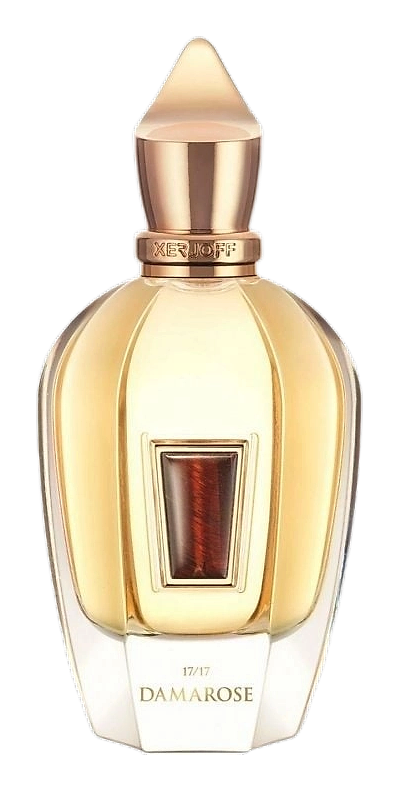
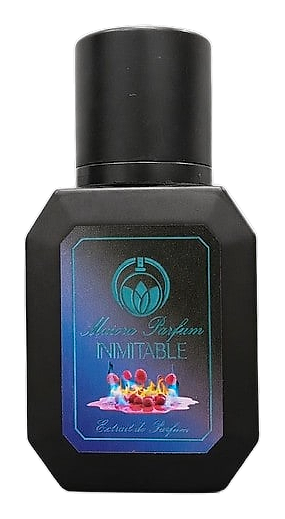
Fragrances featuring Turkish iris
Brands
Brands known for Turkish iris
Good to know
Questions, answered
The essentials on Turkish iris in perfumery: how it smells, where it comes from, and how it behaves on skin.
What part of the iris plant does Turkish orris come from?
The rhizome, or underground root system, provides the fragrant material. This thick, fleshy root stores the aromatic compounds that become iris butter during processing.
Why does iris require such long aging?
Fresh rhizomes lack the characteristic powdery note. Over three to six years of drying, enzymes convert starches into irone, the molecule responsible for iris's signature violet-powdery aroma.
How do Turkish perfumers extract iris fragrance?
Steam distillation produces iris concrete, while solvent extraction yields iris butter or absolute. The latter method preserves more of the delicate floral and woody facets.
What makes Turkish iris expensive?
Extended production timelines and low yield drive costs. Over a thousand kilograms of fresh rhizome yield roughly one kilogram of absolute, and each batch requires years of preparation.
Is synthetic iris a viable alternative?
Synthetic irone replicates certain aspects but lacks the full complexity of aged natural rhizome. Natural Turkish iris retains earthy, slightly floral dimensions that synthetic versions cannot fully capture.
Where in Turkey is iris cultivated?
Production centers in Thrace, central Anatolia, and the Konya region. The high-altitude plateaus with dry summers and cold winters provide ideal conditions for concentrating aromatic compounds.
How does Turkish iris differ from Italian or Moroccan varieties?
Terroir shapes the final product. Anatolia's volcanic soils and dramatic temperature swings produce rhizomes with higher irone content and a distinctive powdery-woody character.
What fragrances traditionally feature Turkish iris?
The ingredient appears in numerous luxury formulations as a heart or base note. Its versatility allows perfumers to pair it with florals, woods, and even citrus for complex compositions.