    Ingredient Profile

    Turkish Damask Rose fragrance note

    Rosa damascena, harvested for centuries in Turkey's Isparta region. Warm, honeyed, and deeply floral with a subtle spiced undertone. One of…More

    Turkey

    4

    Fragrances

    Fragrances featuring Turkish Damask Rose

    4

    Character

    The Story of Turkish Damask Rose

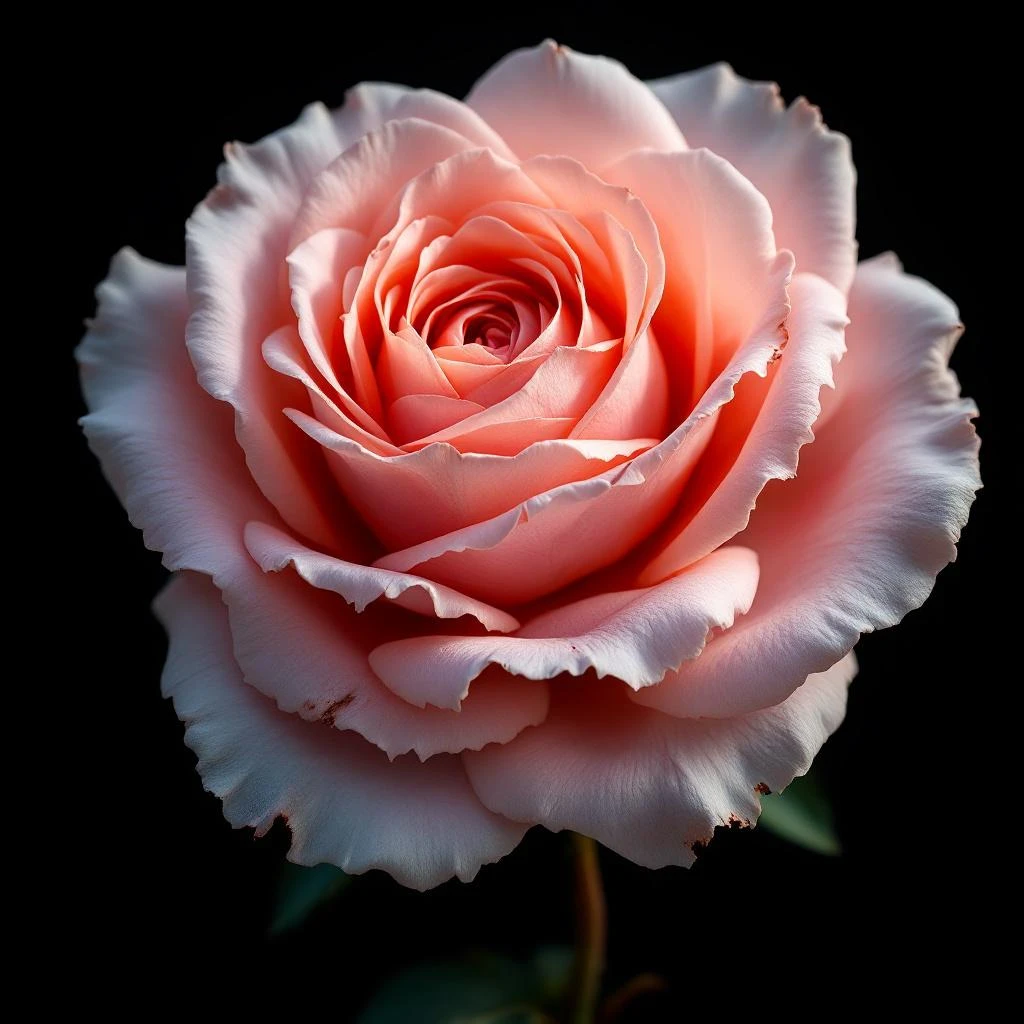
    Rosa damascena, harvested for centuries in Turkey's Isparta region. Warm, honeyed, and deeply floral with a subtle spiced undertone. One of the oldest perfume ingredients in continuous use.

    Heritage

    The Damask Rose carries its name from Damascus, the Syrian capital where botanical evidence suggests the species originated. Greek historian Herodotus documented fragrant roses growing in Central Anatolia around 700 BCE, placing Damask Rose cultivation in what is now Turkey over two and a half millennia ago.

    Recent botanical analyses of ancient Egyptian artifacts confirmed rose traces in perfumes, ointments, and floral decorations dating back more than 3,000 years. Civilizations of ancient Egypt, Greece, and Rome all cultivated roses for ceremonial, medicinal, and cosmetic purposes. The Damask Rose traveled with merchants along Silk Road routes, arriving in Bulgaria where it found ideal conditions in the Valley of Roses near Kazanlak.

    The Ottoman Empire spread Damask Rose cultivation across its territories, establishing production centers in Anatolia. By the 17th century, rose cultivation had become integral to European perfumery. Historical records show that Marie Antoinette, queen of France in the late 18th century, used rose-scented products, reflecting the ingredient's prestige in royal circles.

    Today, Isparta remains one of the world's primary rose cultivation zones. The Isparta Damask Rose Association works to protect and promote this centuries-old tradition. Turkish Damask Rose oil carries a warm, honeyed character that perfumers prize in oriental and rose compositions, maintaining the region's role as a center of global rose production.

    At a Glance

    Fragrances

    4

    Feature this note

    Origin

    Turkey

    Primary source region

    Ingredient Details

    Extraction

    Steam distillation, Solvent extraction

    Used Parts

    Flower petals

    Did You Know

    "Harvesters pick 5,000 to 6,000 roses by hand to yield a single gram of oil."

    Production

    How Turkish Damask Rose Is Made

    In Isparta, the harvest window lasts only from May to June. Workers collect flowers before dawn when the petals hold the highest oil concentration. The harvest pressure is intense, with millions of fresh blooms gathered daily across the region.

    Steam distillation remains the traditional extraction method. Fresh petals enter enclosed stills where controlled steam heat releases volatile aromatic compounds. The vapor condenses in a flask, separating into rose attar and rose water. The attar, a highly concentrated oil, floats above the water layer and is collected separately.

    Solvent extraction provides an alternative route. Fresh petals wash in food-grade solvents such as hexane, which dissolve aromatic compounds. After filtration, the solvent evaporates to leave a waxy aromatic concrete. Processors wash this concrete with alcohol, then filter and remove the alcohol to yield a more viscous rose absolute.

    Steam distillation produces rose oil used in fine perfumery and aromatherapy. Solvent extraction produces rose absolute, which offers a richer, more complex scent profile due to additional botanical compounds captured during processing. Around 3,500 kilograms of fresh petals yield one kilogram of finished oil, reflecting the intensity of production that makes rose oil among the most expensive natural ingredients in perfumery.

    Provenance

    Turkey

    Turkey37.8°N, 30.6°E

    About Turkish Damask Rose