

Character
The Story of Turkish damascena rose
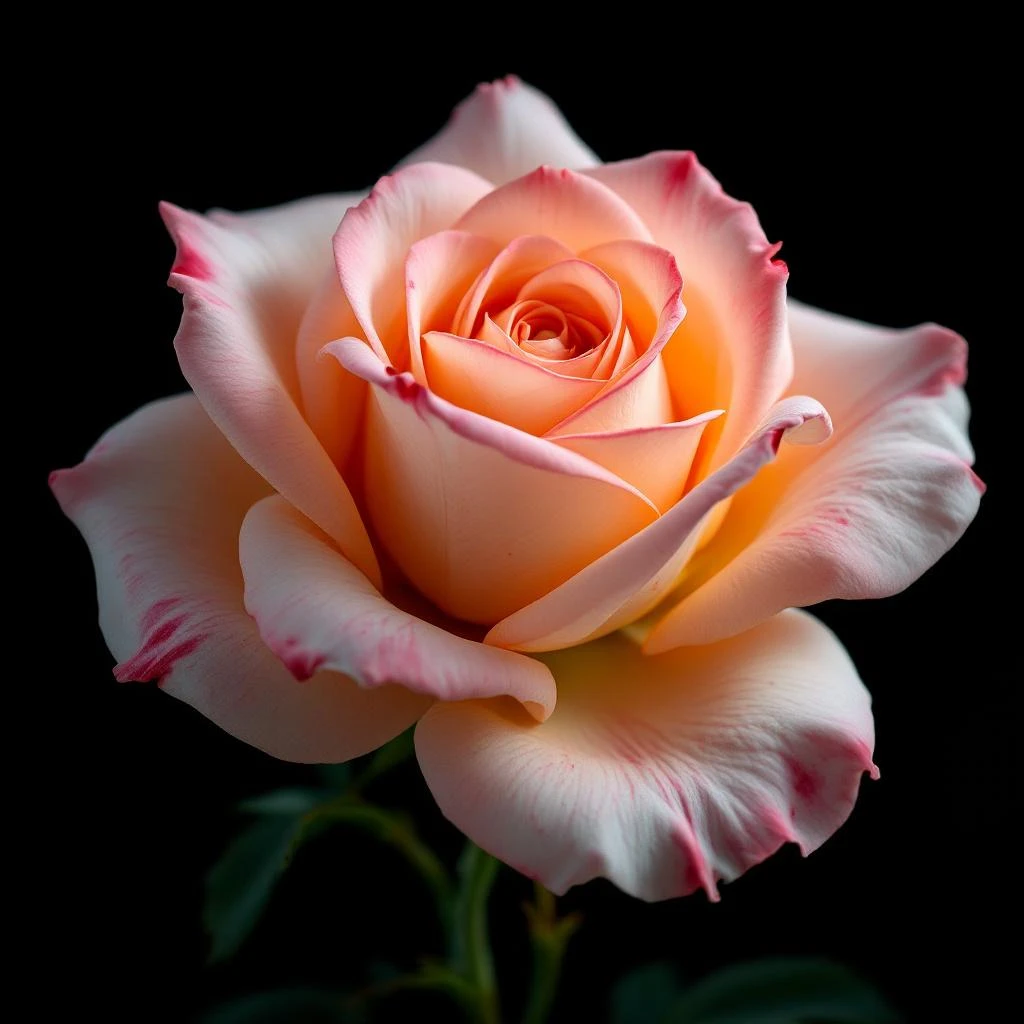
Turkish damascena rose, or Rosa damascena, yields one of perfumery's most treasured absolutes from the Isparta province. Harvested at dawn during the May-June window, these petals deliver a rich, honeyed floral scent with subtly spicy undertones that forms the heart of countless fine fragrances.
Heritage
The Damask rose entered Turkish cultivation in the late 19th century when cuttings arrived from Greece. Isparta's specific microclimate, with its high altitude and diurnal temperature swings, proved exceptionally suited to the flower, and rose oil production began there in 1892. Over the following century, the industry expanded steadily, with the first modern distillery opening in 1935. Today, roughly 10,000 to 12,000 smallholder families in the region cultivate Rosa damascena as their primary crop.
The rose holds deep cultural significance in Turkish heritage, appearing prominently in literature as a symbol of love, beauty, and passion. Harvesting the Damask rose has evolved into more than an agricultural practice; it represents a centuries-old tradition passed through generations, connecting modern producers to Ottoman-era garden culture. The flower arrived in Turkey originally from the Iranian plateau, carried westward along ancient trade routes by Arab merchants before reaching the gardens of Damascus that gave the cultivar its name.
Isparta now produces approximately 60 percent of the world's rose oil, securing Turkey's position as the leading global supplier. The region's rose cultivation received Geographical Indication certification, protecting the distinct character of oils produced specifically within its boundaries. This certification acknowledges both the unique terroir of the Isparta valley and the traditional knowledge embedded in its harvesting and distillation practices.
At a Glance
1
Feature this note
Turkey
Primary source region
Ingredient Details
Steam distillation (rose otto); Solvent extraction (rose absolute)
Flower petals
Did You Know
"It takes approximately 3.5 to 4 tonnes of freshly picked rose petals to produce just one kilogram of rose otto."