Tumbleweed
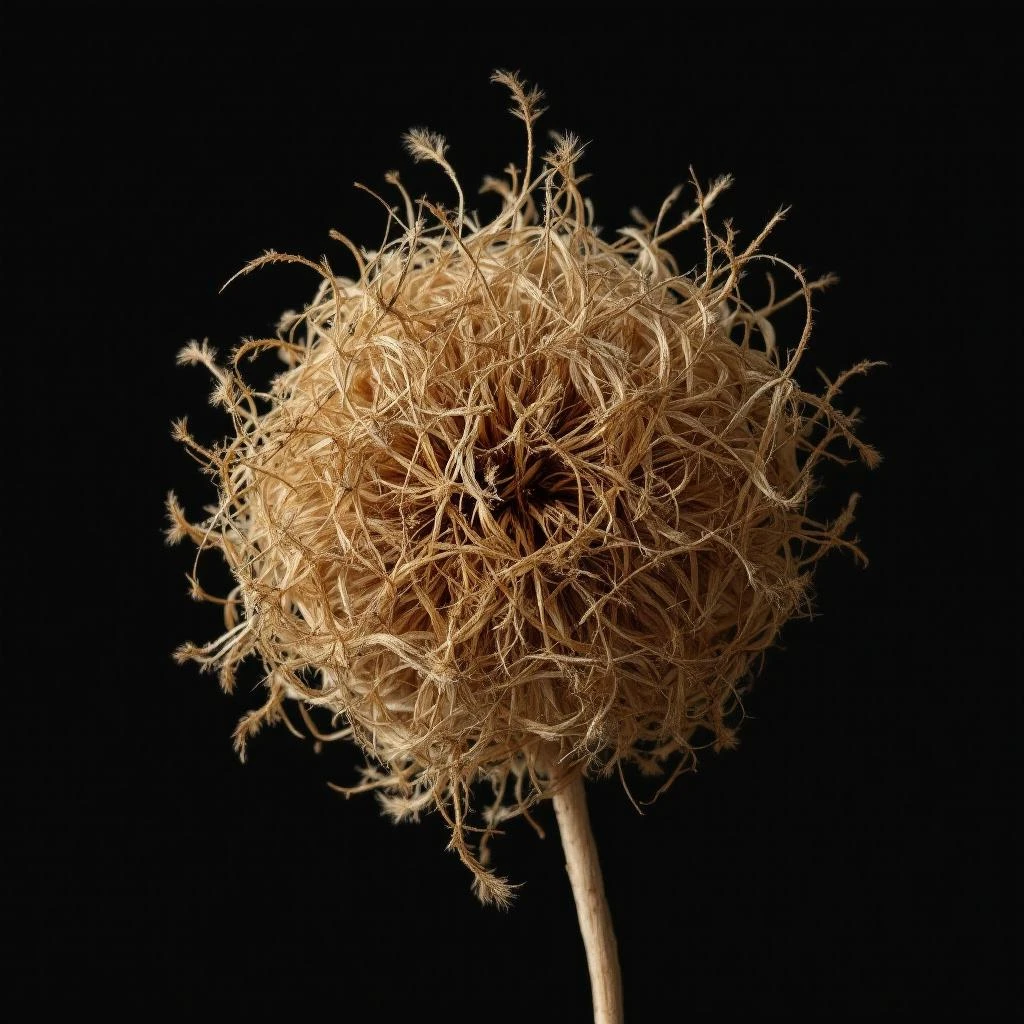
Tumbleweed in perfumery represents the aromatic essence of arid landscapes, offering dry, woody, and slightly herbaceous character. This unconventional botanical material brings a unique terroir-driven quality reminiscent of desert winds and sun-baked earth. It serves as an unexpected base note that adds narrative depth and geographic specificity to fragrance compositions.
Character
How it smells
The wandering spirit of desert landscapes bottled for fragrance.
Tumbleweeds can travel up to 1 million seeds in their lifetime, carried thousands of miles by wind across the American Southwest.



Origin
United States
While tumbleweed has been part of the American Western landscape since the 1870s, when Russian thistle was accidentally introduced through contaminated flax seed shipments, its use in perfumery represents a distinctly modern phenomenon. Traditional fragrance arts across Europe and the Middle East developed around established botanicals like rose, jasmine, and sandalwood, leaving tumbleweed largely unexploited. Contemporary perfumers seeking unique territorial signatures have begun exploring unconventional materials that capture specific landscapes.
The ingredient emerged from this artisan movement, valued less for historical precedent than for its ability to evoke the stark beauty and isolation of desert environments. Its inclusion in fragrance compositions represents perfumery's ongoing expansion into previously unexplored olfactory territories.
Wears it best
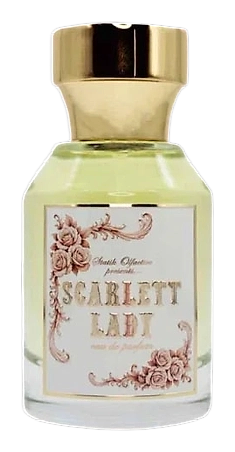
Fragrances featuring Tumbleweed
Brands
Brands known for Tumbleweed
Good to know
Questions, answered
The essentials on Tumbleweed in perfumery: how it smells, where it comes from, and how it behaves on skin.
What does Tumbleweed smell like in perfume?
Tumbleweed delivers a dry, woody aroma with herbaceous and slightly resinous undertones, evoking sun-baked earth and open desert air. It functions as a base note that adds atmospheric depth rather than loud projection. The scent profile reflects its arid habitat, with subtle dusty and warm characteristics.
Why is Tumbleweed used in perfumery?
Perfumers use tumbleweed to introduce geographic narrative and unconventional terroir into compositions. It serves a growing demand for unique, story-driven ingredients. Approximately 15-20% of niche fragrance houses now incorporate at least one unusual botanical to differentiate their offerings in a crowded market.
Is Tumbleweed in perfume natural or synthetic?
Tumbleweed used in perfumery is a natural botanical material, though its availability remains extremely limited. Small-scale extractions from wild-grown plants in arid regions produce the raw material. Synthetic tumbleweed aroma compounds exist but lack the complexity of the natural extract.
What famous perfumes contain Tumbleweed?
No major commercial fragrances prominently feature tumbleweed as a named ingredient. The material appears primarily in artisanal and indie perfumery, where unconventional botanicals are valued over mass-market appeal. Specific formulations remain proprietary.
Is Tumbleweed a top note, heart note, or base note?
Tumbleweed functions as a base note in fragrance composition, providing foundational depth and lasting character. Its molecules display low volatility, meaning the scent develops gradually over 4-6 hours of wear. This slow release allows the aromatic narrative to unfold progressively on the skin.
What notes pair well with Tumbleweed in perfume?
Tumbleweed harmonizes with desert-associated materials like creosote, sage, and dry woods. It pairs unexpectedly well with warm amber and light citruses, which contrast its earthy dryness. Vetiver and cedar amplify its woody qualities, while incense materials enhance its atmospheric character.
How is Tumbleweed extracted?
Solvent extraction processes dried tumbleweed plant material to produce an absolute. Harvested aerial parts are dried, then treated with hydrocarbon solvents to dissolve aromatic compounds. The mixture filters, and solvent removal yields approximately 0.5-1% by weight of finished absolute.
Is Tumbleweed used in men's or women's fragrances?
Tumbleweed appears in fragrances marketed to both genders, though it skews toward unisex and masculine-oriented compositions. Its rugged, atmospheric character aligns with contemporary preferences for gender-neutral scent profiles. Marketing positioning varies by brand and specific formulation.