Character
The Story of True lavender
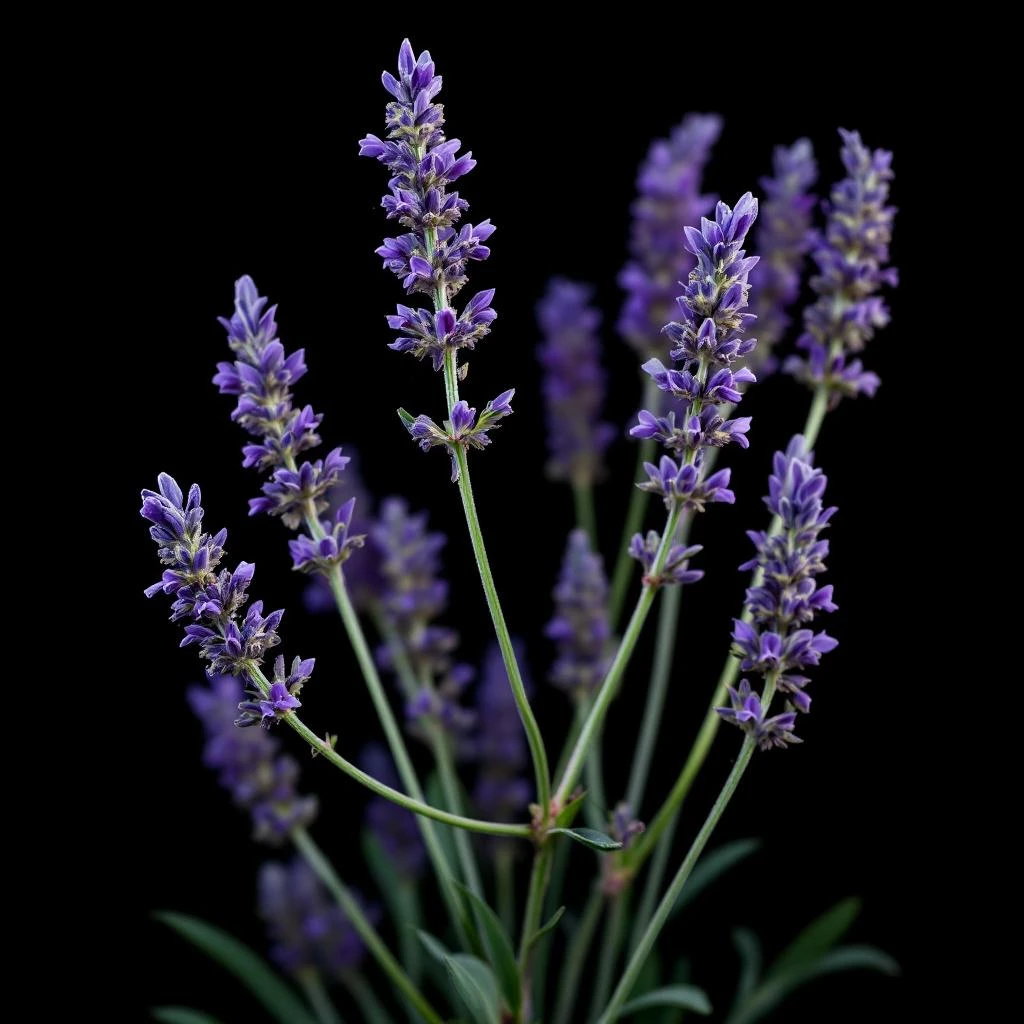
True lavender—Lavandula angustifolia—captures the clean, aromatic freshness at the heart of countless classic fragrances. Cultivated in the sun-drenched fields of Provence, this botanical staple has anchored perfumery for centuries with its crisp, herbaceous sweetness and unmistakable coolness.
Heritage
True lavender traces its roots to the Mediterranean, Middle East, and India, where it grew wild roughly 2,500 years ago. Ancient Egyptians used it as a perfume and incense component during mummification rituals. The Romans elevated it to prominence, incorporating lavender into their baths, cosmetics, and scented waters across their empire. During the European Middle Ages, monasteries cultivated it in herb gardens and included it in herbal remedies and fragrant preparations. By the eighteenth century, lavender had become a cornerstone of Europe's expanding perfumery trade, both as a standalone note and as a blending agent. Commercial cultivation spread across Provence, England, and beyond, cementing lavender's place as one of the most recognizable fragrance materials in history.
At a Glance
2
Feature this note
France
Primary source region
Ingredient Details
Steam distillation
Fresh flowering tops
Did You Know
"Queen Cleopatra reportedly used lavender perfume to charm Julius Caesar, placing it among antiquity's most legendary seduction tools."
Pyramid Presence