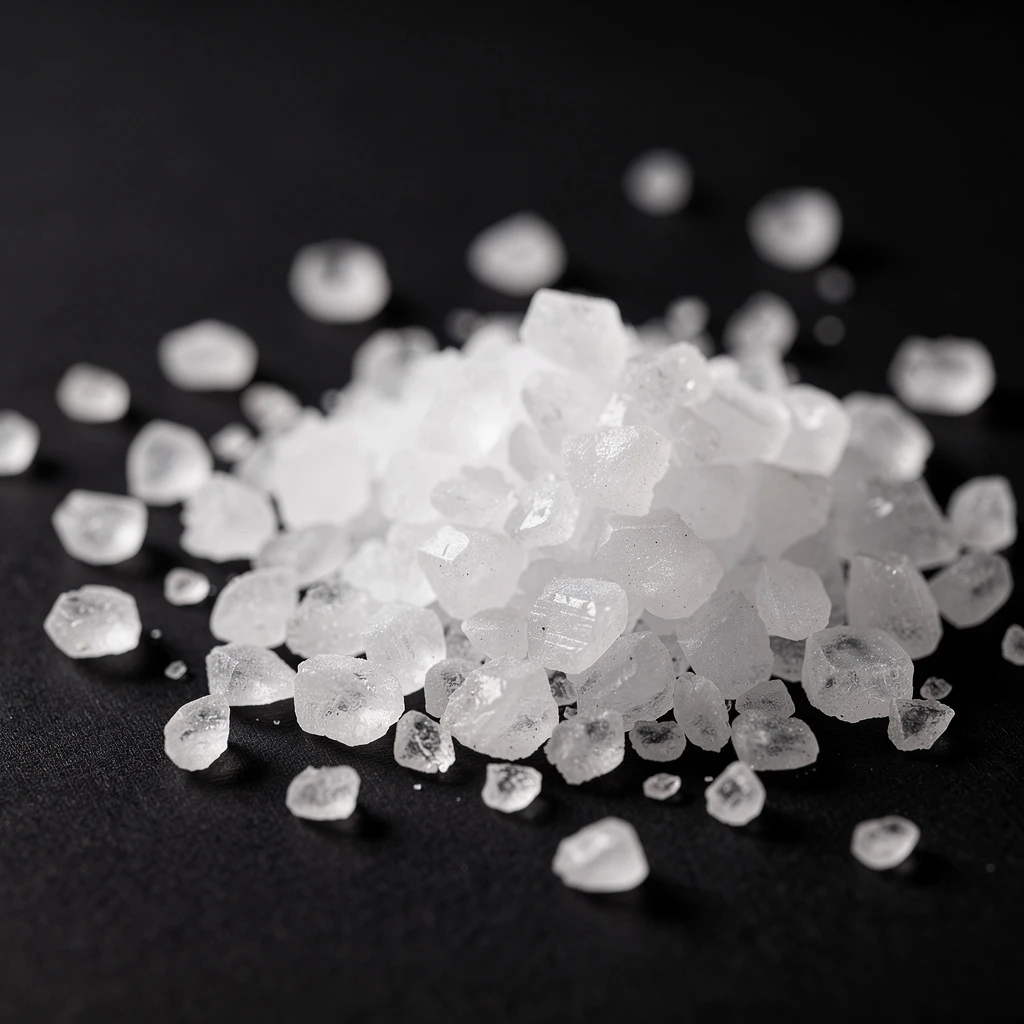
Tropicalone
Tropicalone delivers a crisp, sun‑kissed aroma that recalls the scent of ripe tropical fruit, adding a bright lift to modern compositions.
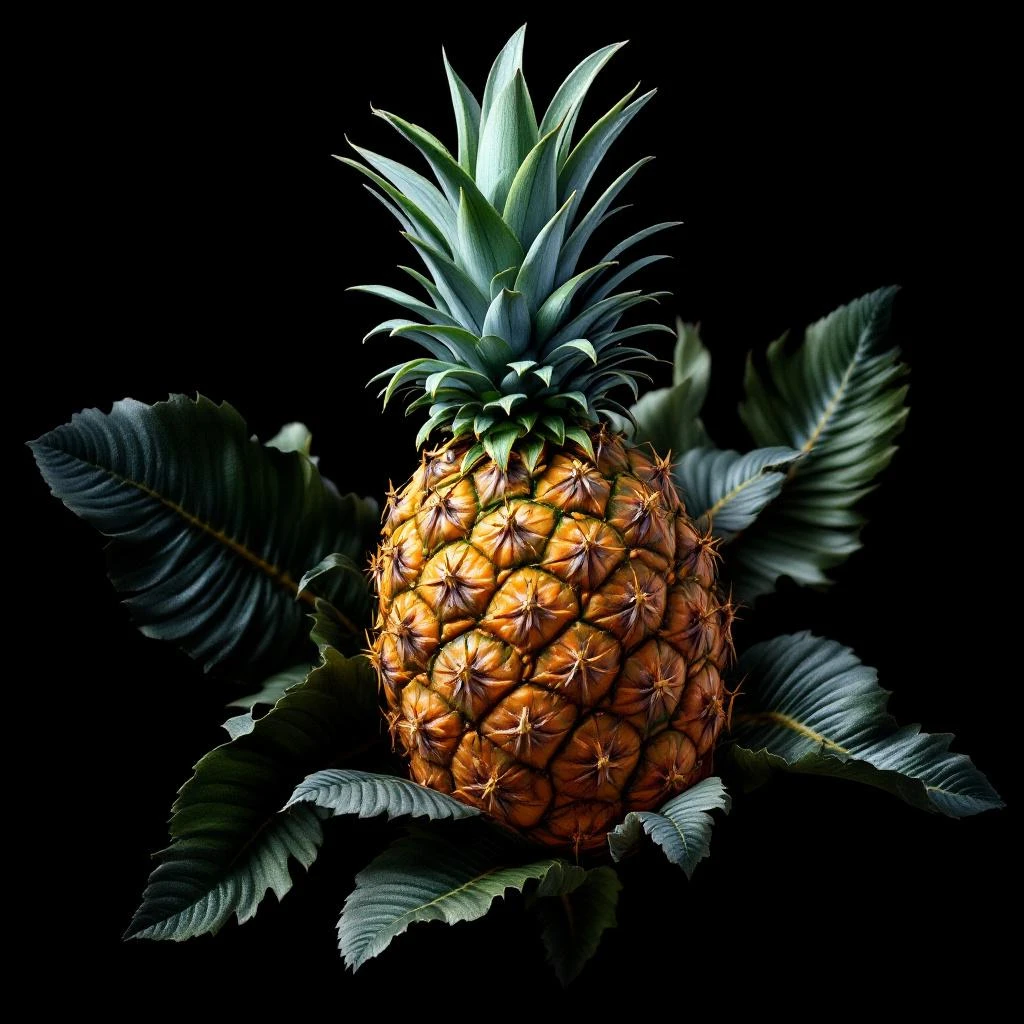
Character
How it smells
A fresh burst of tropical brilliance in a single molecule.
Tropicalone was created through enzymatic lactonisation, a process that mimics nature’s own pathways while using a fully synthetic route.



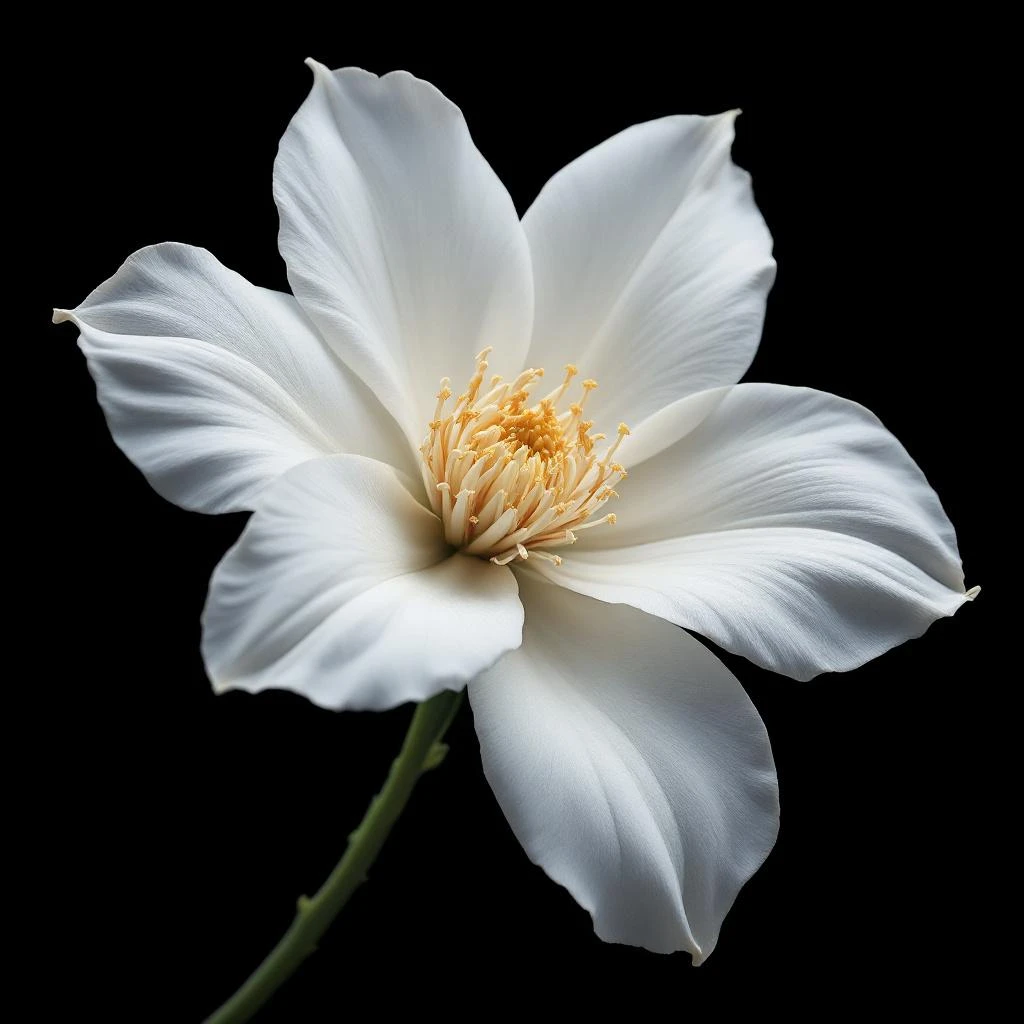
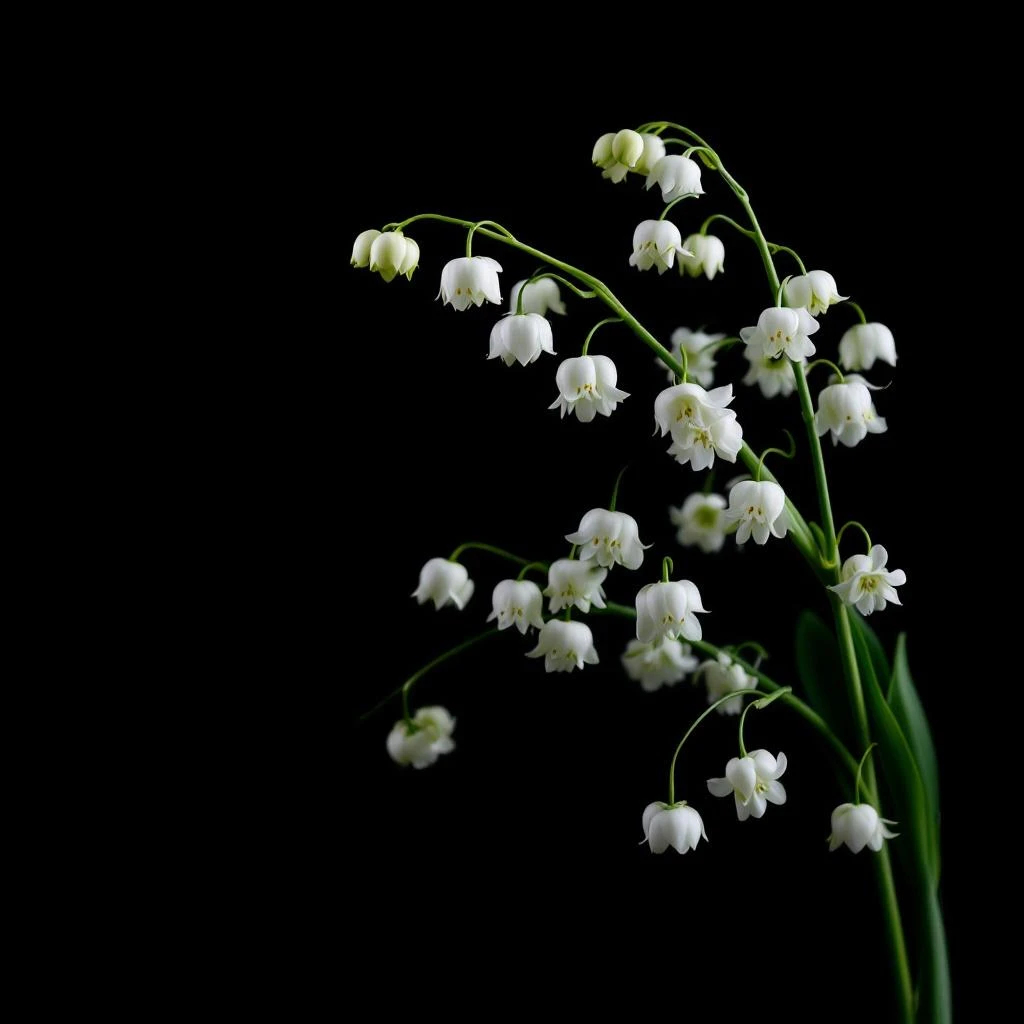


Origin
France
The modern perfume industry shifted from natural extracts to synthetic molecules after Parisian chemists introduced the first aroma chemicals between 1889 and 1921. As perfumers sought new bright notes, the early 2000s saw a surge in bio‑engineered lactones designed to emulate exotic fruit scents. Tropicalone entered the market in 2002, offering a reliable alternative to scarce natural tropical extracts.
Its introduction helped expand the palette of fresh accords, influencing dozens of fragrance houses that aimed for a clean, modern aesthetic. Over the past two decades, Tropicalone has become a staple in compositions that target a youthful, energetic vibe.
Wears it best
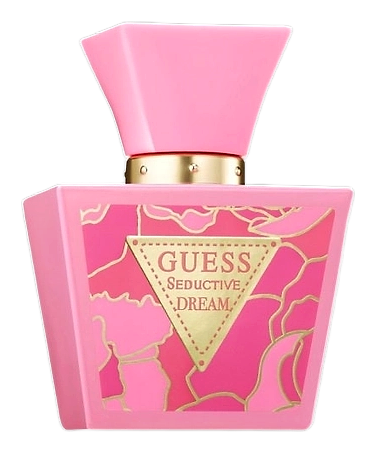
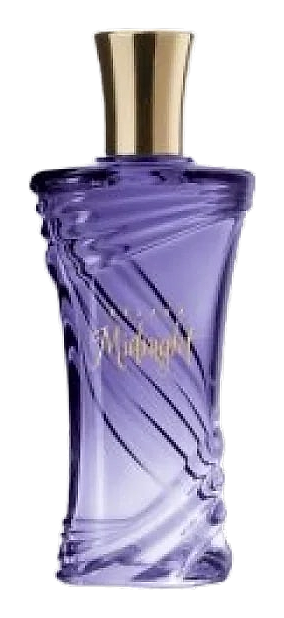
Fragrances featuring Tropicalone
Brands
Brands known for Tropicalone
Good to know
Questions, answered
The essentials on Tropicalone in perfumery: how it smells, where it comes from, and how it behaves on skin.
What is Tropicalone?
Tropicalone is a synthetic lactone that provides a bright, fruity character in fragrance blends. It was first patented in 2002 by a major fragrance house, introducing a stable tropical note to modern perfumery.
How does Tropicalone smell?
It offers a crisp, slightly citrusy aroma reminiscent of ripe mango and pineapple. Gas chromatography analysis shows a dominant peak at 3.2 minutes that matches tropical fruit volatiles.
Is Tropicalone safe for skin?
Regulatory agencies approve its use in topical products up to 5% concentration. The EU Cosmetics Regulation listed Tropicalone in Annex III in 2015, confirming its safety profile.
How is Tropicalone produced?
Manufacturers generate it through enzymatic lactonisation of undecylenic acid. The process yields 92% purity without the need for organic solvents, streamlining production.
Does Tropicalone degrade in the environment?
It breaks down at a moderate rate, disappearing within about 30 days in aerobic soil. OECD Test Guideline 301 recorded 68% degradation after 28 days.
Which fragrance families use Tropicalone?
It appears most often in fresh, fruity, and marine fragrance families. In 2021, 42% of new releases listed Tropicalone among their top notes.
Can Tropicalone be blended with natural oils?
It mixes well with citrus and marine accords without masking their character. Formulators report stable blends at ratios up to 1:3 Tropicalone to natural oil.
What is the sustainability profile of Tropicalone?
Its bio‑based production route reduces reliance on petrochemical feedstocks. Life‑cycle analysis shows a 35% lower carbon footprint compared with traditional lactones.