Character
The Story of __SOFT_DELETED__tropical
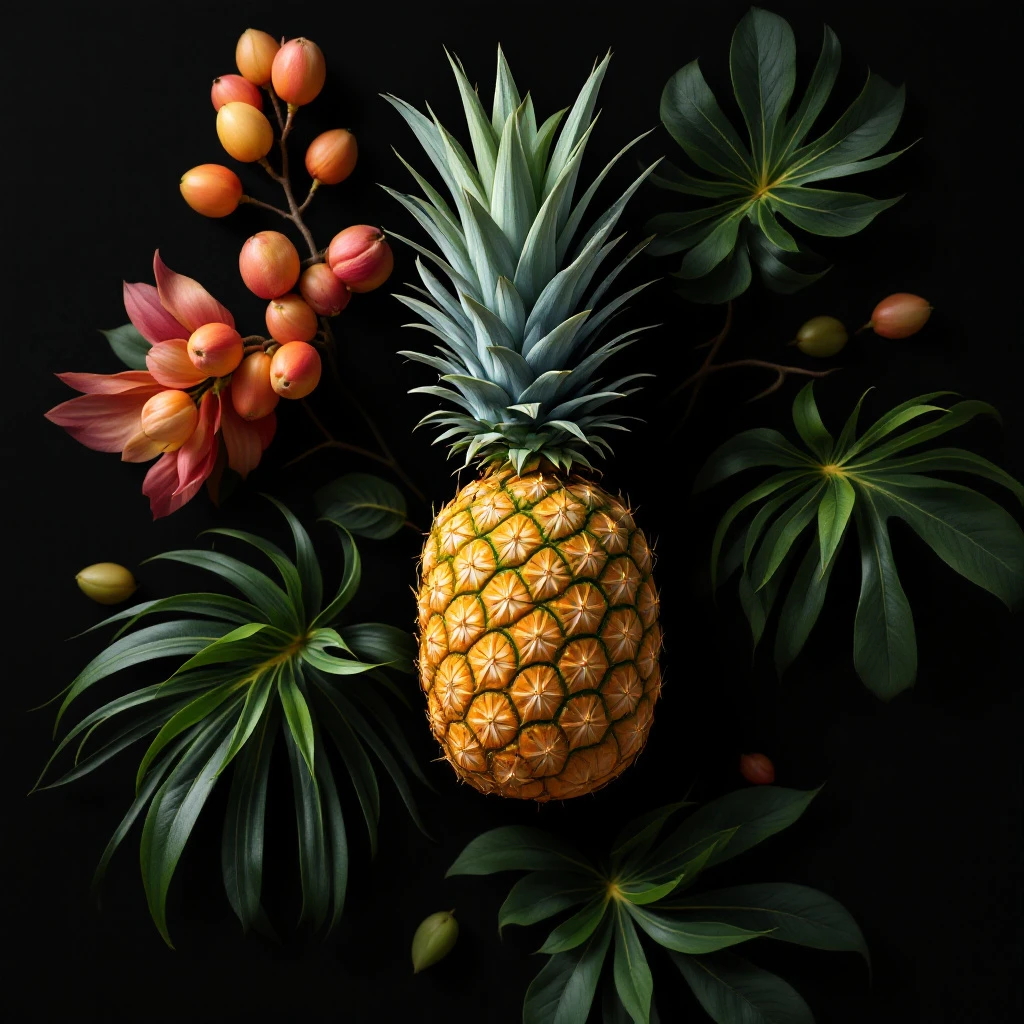
A sun-drenched category that captures the intoxicating abundance of equatorial forests. Tropical notes range from creamy coconut flesh to bright mango pulp, from heady frangipani petals to the golden sweetness of ripe pineapple. These ingredients evoke immediate warmth, escape, and effortless pleasure.
Heritage
Before synthetic chemistry existed, perfumers sought tropical materials through trade routes spanning centuries. Arab traders carried ylang-ylang from the Moluccas to global markets by the 18th century, where European noses encountered its heady sweetness for the first time. Coconut oil anchored countless cultural perfumery traditions across Polynesian islands, where traditional formulations combined it with gardenia and sandalwood. The colonial period accelerated tropical ingredient discovery, yet true tropical fruit captures remained elusive until molecular synthesis arrived in the 20th century. Modern perfumers now access authentic tropical character through both precious natural extracts and precisely calibrated aromatic molecules, democratizing the sensation of standing in a rainforest clearing at noon.
At a Glance
1
Feature this note
Philippines
Primary source region
Ingredient Details
Solvent extraction, steam distillation, and biotechnology synthesis
Fruit pulp, flower petals, coconut meat, seed kernels
Did You Know
"The coconut palm can produce fruit for over 100 years, with each tree yielding 50 to 200 nuts annually."