Character
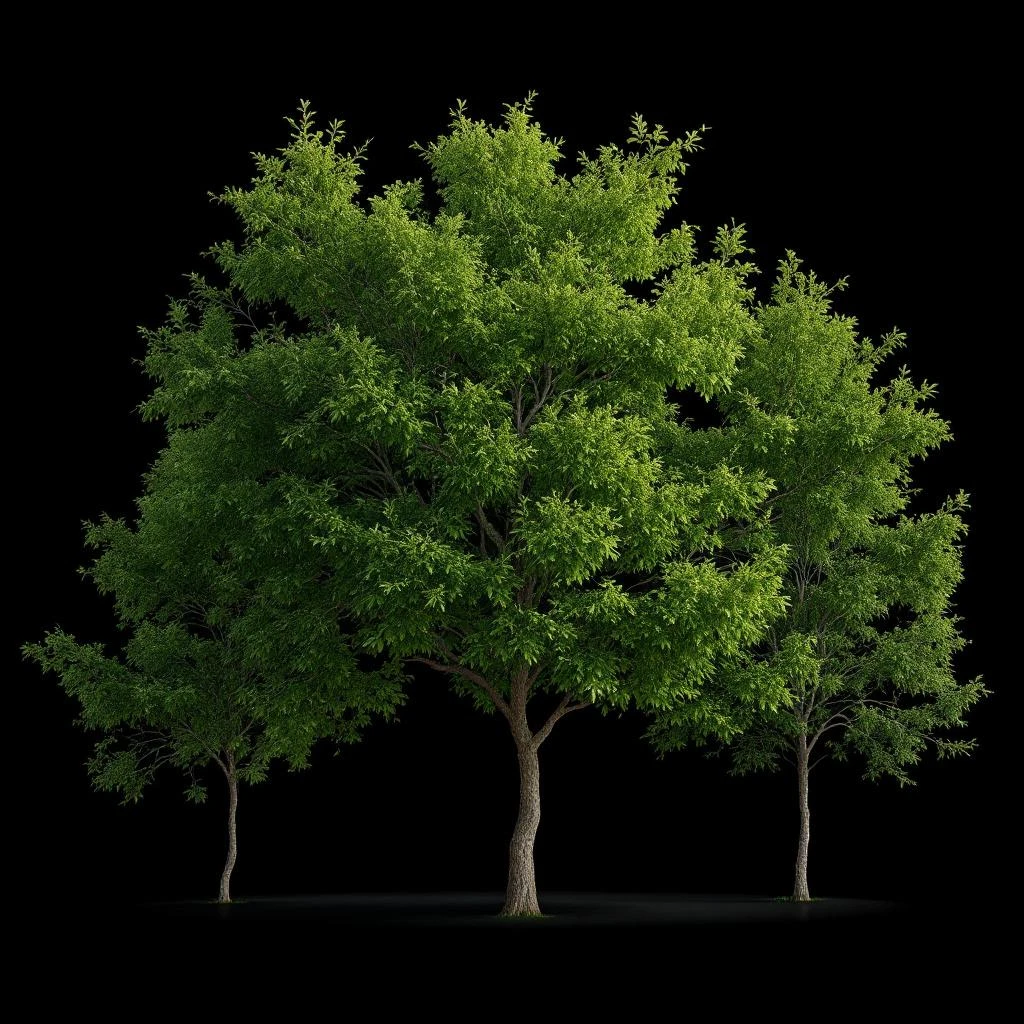
The Story of Trees
From towering cedars to fragrant sandalwood, tree extracts deliver depth, stability, and a whisper of forest floor, anchoring modern perfumes with natural woody elegance.
Heritage
Trees have anchored human scent culture since the first incense burners of Mesopotamia. Egyptian priests burned cedar and pine to cleanse temples, while Indian sages polished sandalwood blocks for meditation. The Silk Road carried frankincense and myrrh across continents, making resin a luxury commodity in Roman markets. In the nineteenth century, chemists isolated cedrol and santalol, turning wood aromas into reproducible raw materials. The rise of synthetic chemistry later introduced cedar‑type molecules such as Iso‑E super, expanding the palette while easing pressure on forest resources. Today, perfumers honor the lineage by pairing traditional extracts with modern techniques, preserving the story of each tree in contemporary fragrance.
At a Glance
1
Feature this note
India
Primary source region
Ingredient Details
Steam distillation
Heartwood and bark
Did You Know
"Sandalwood trees can live over a hundred years, yet only the heartwood—about 5 % of the trunk—produces the prized oil used by perfumers worldwide."