
Character
The Story of Translated Turmeric
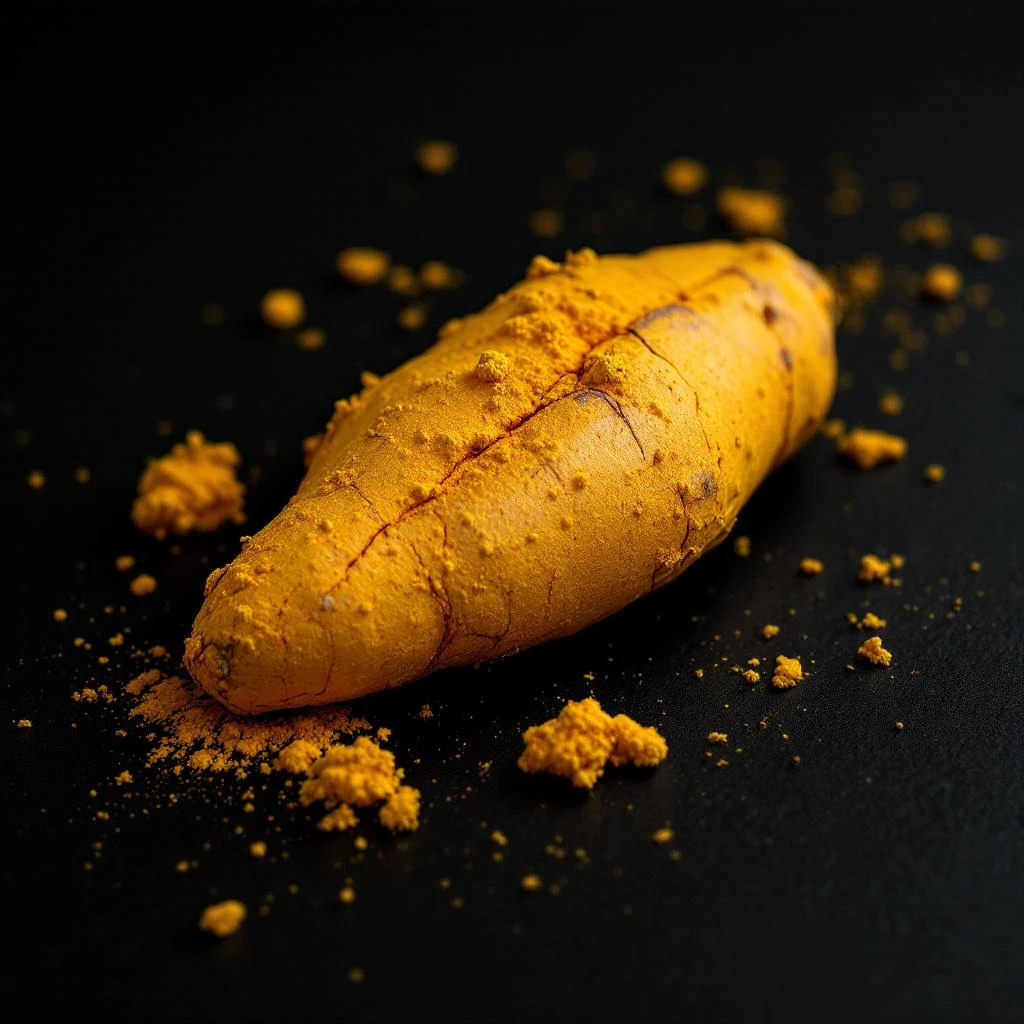
Golden-hued and earthy with a warm, slightly bitter spice that bridges culinary and perfumery traditions. Translated Turmeric brings a resinous warmth reminiscent of fresh-cut root and faint citrus undertones.
Heritage
Marco Polo encountered turmeric during his travels along the Silk Road in the High Middle Ages, noting its striking similarity to saffron in color. The vibrant rhizome had already been cultivated across India and China for centuries before reaching European markets. In ancient Asian traditions, turmeric served roles beyond the kitchen—Buddhist monks used it as a natural dye for their distinctive orange robes, while Ayurvedic medicine employed it for its therapeutic properties. When turmeric arrived in Europe, it was adopted both as a saffron substitute and the food coloring now designated as E 100. Its journey from monastic dye to medicinal compound to perfumery ingredient traces a remarkable path through human civilization.
At a Glance
2
Feature this note
India
Primary source region
Ingredient Details
Steam distillation / Solvent extraction / CO2 extraction
Fresh rhizome
Did You Know
"Buddhist monks historically used turmeric to dye their robes, giving monastic dress its signature vibrant orange hue."
Pyramid Presence