    Ingredient Profile

    Tonka bean Orpur fragrance note

    From the rainforests of Venezuela and Brazil, a single wrinkled seed delivers one of perfumery's most beloved scents. Tonka bean wraps skin…More

    Brazil, Guyana, and Venezuela

    1

    Fragrances

    Fragrances featuring Tonka bean Orpur

    Character

    The Story of Tonka bean Orpur

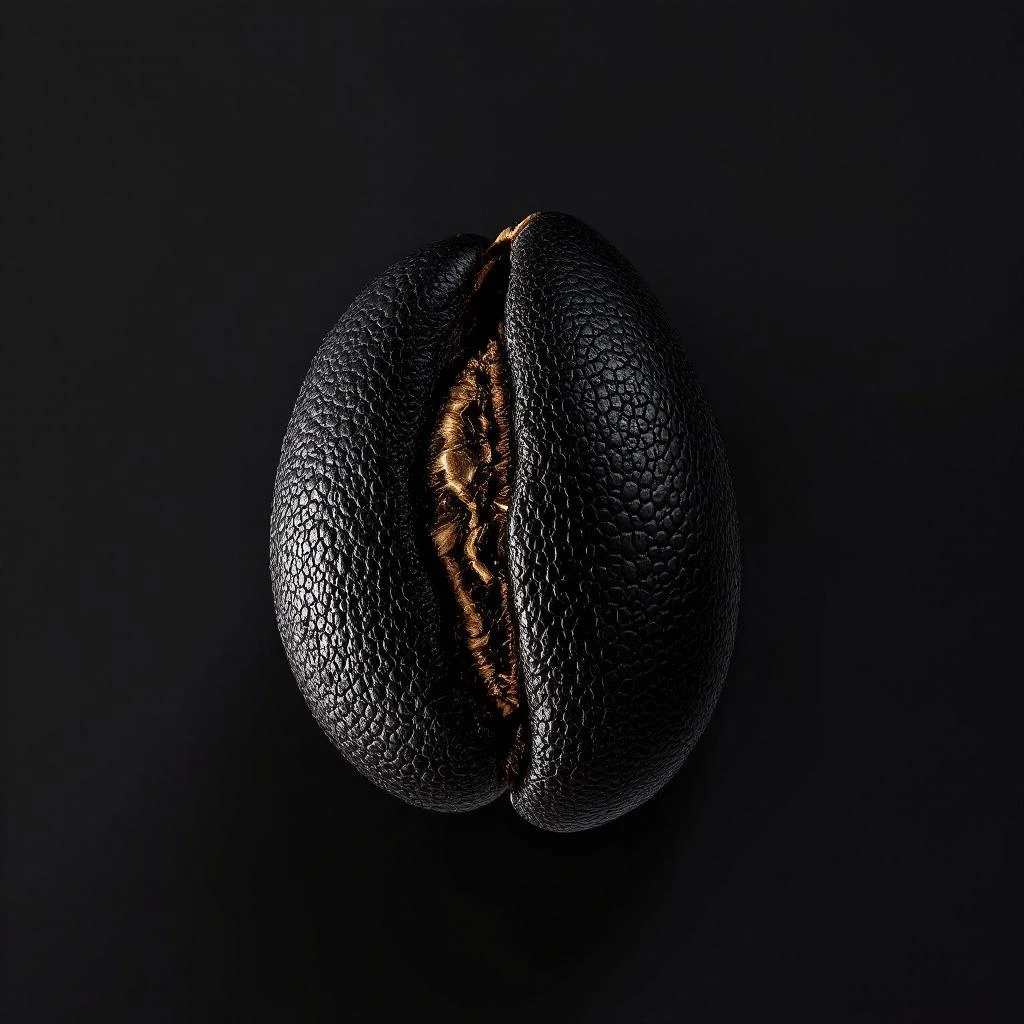
    From the rainforests of Venezuela and Brazil, a single wrinkled seed delivers one of perfumery's most beloved scents. Tonka bean wraps skin in warm vanilla, toasted almonds, and a honeyed sweetness that lingers.

    Heritage

    Indigenous Amazonian peoples first discovered tonka beans centuries ago, using them as medicine and aromatic protection against insects. French chemist August Ody isolated the responsible aroma compound in 1820, naming it coumarin after the tree's indigenous Guarani name. Before synthetic production began in 1868, perfumers relied entirely on natural tonka absolute. The ingredient reshaped fragrance history when perfumer Houbigant created Fougère Royal in 1882, building an entirely new fragrance family around coumarin's warm, green-almond character. French explorer Antonio Guillot coined the name 'tonka' from a Guarani word, and by the 1940s, tonka had become a staple in masculine and feminine fragrances alike. Today, the ingredient drives countless formulations across scent families, cherished for its remarkable diffusion and its ability to bridge woody, floral, and gourmand compositions.

    At a Glance

    Fragrances

    1

    Feature this note

    Origin

    Brazil, Guyana, and Venezuela

    Primary source region

    Ingredient Details

    Extraction

    Solvent extraction

    Used Parts

    Seeds

    Did You Know

    "The US FDA banned tonka bean as food in 1954 due to coumarin content, yet this same compound appears in over 30% of modern fragrances."

    Production

    How Tonka bean Orpur Is Made

    Tonka bean absolute begins its journey in the rainforests of Brazil, Venezuela, and Guyana, where tall Dipteryx odorata trees drop their long seed pods to the forest floor. Harvesters collect the beans by hand, then cure them in rum or aged spirits for up to a year. This curing process triggers a chemical reaction: coumarin crystals form on the seed surface, creating that signature sweet aroma the perfumery world prizes. Once cured, producers treat the seeds with hexane or ethanol solvent extraction, yielding a thick, dark absolute with remarkable olfactory power. A single kilogram of absolute requires roughly forty kilograms of cured beans. The resulting material smells intensely sweet, warm, and slightly bitter, with distinct almond and vanilla facets that perfumers value for their blending versatility.

    Provenance

    Brazil, Guyana, and Venezuela

    Brazil, Guyana, and Venezuela3.5°S, 64.9°W

    About Tonka bean Orpur