Character
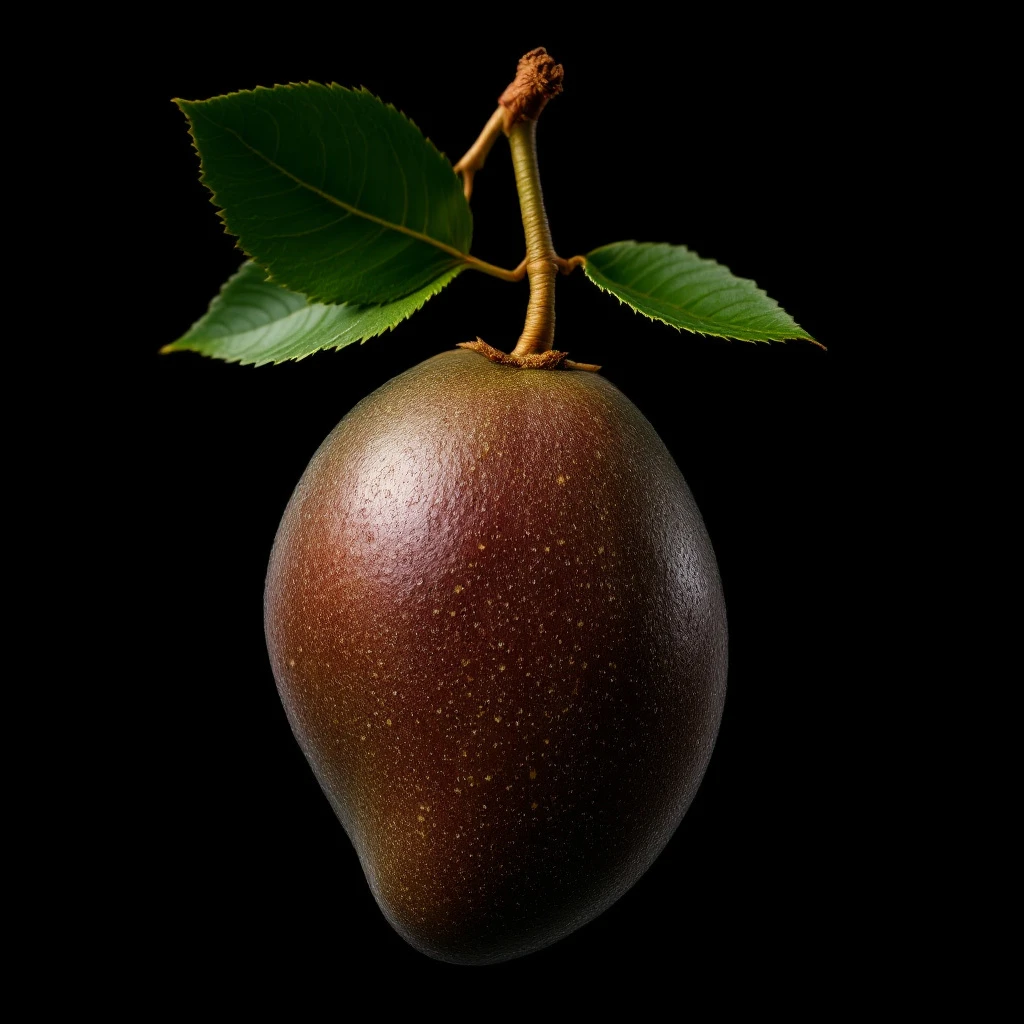
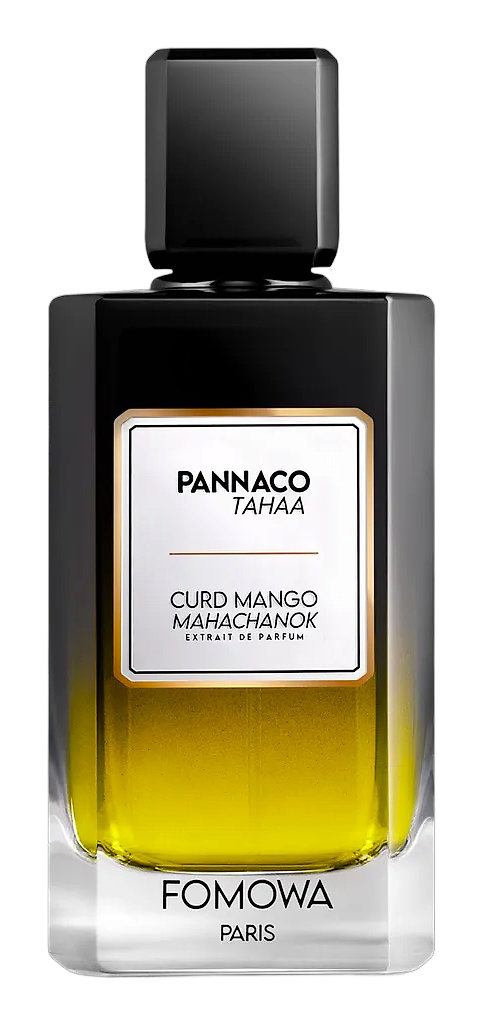
The Story of Thai mango
A sun-ripened tropical fruit note that captures the lush sweetness of Southeast Asia's most beloved mango, blending sunshine-warmed juiciness with a subtle green undertone and lingering tropical warmth. Due to its high water content, mango exists in perfumery as a precise synthetic reconstruction.
Heritage
Mangoes have grown wild in South and Southeast Asia for over 4,000 years. Ancient Indian texts named the mango the 'food of the gods,' and Buddhist monks carried the seeds along trade routes into Burma and Thailand by the fourth century BCE. The fruit reached Persia, the Middle East, and eventually the Americas through Portuguese and Spanish explorers. In Thailand, generations of cultivation produced aromatic varieties like Nam Doc Mai, prized for their intense floral fragrance and creamy texture. These mangoes were bred for eating fresh, not distillation, creating an aromatic profile unlike anything found in European perfume traditions. For centuries, perfumers had no way to capture this tropical essence. Only in the twentieth century, as organic synthesis advanced, could chemists identify and recreate the specific molecules that give Thai mangoes their signature character, bridging ancient cultivation with modern perfumery.
At a Glance
1
Feature this note
Thailand
Primary source region
Ingredient Details
Synthetic
N/A - chemically synthesized
Did You Know
"Mango belongs to the same plant family as pistachio and cashew, making it a drupe rather than a typical fruit."