Character
The Story of Texas Rosewood
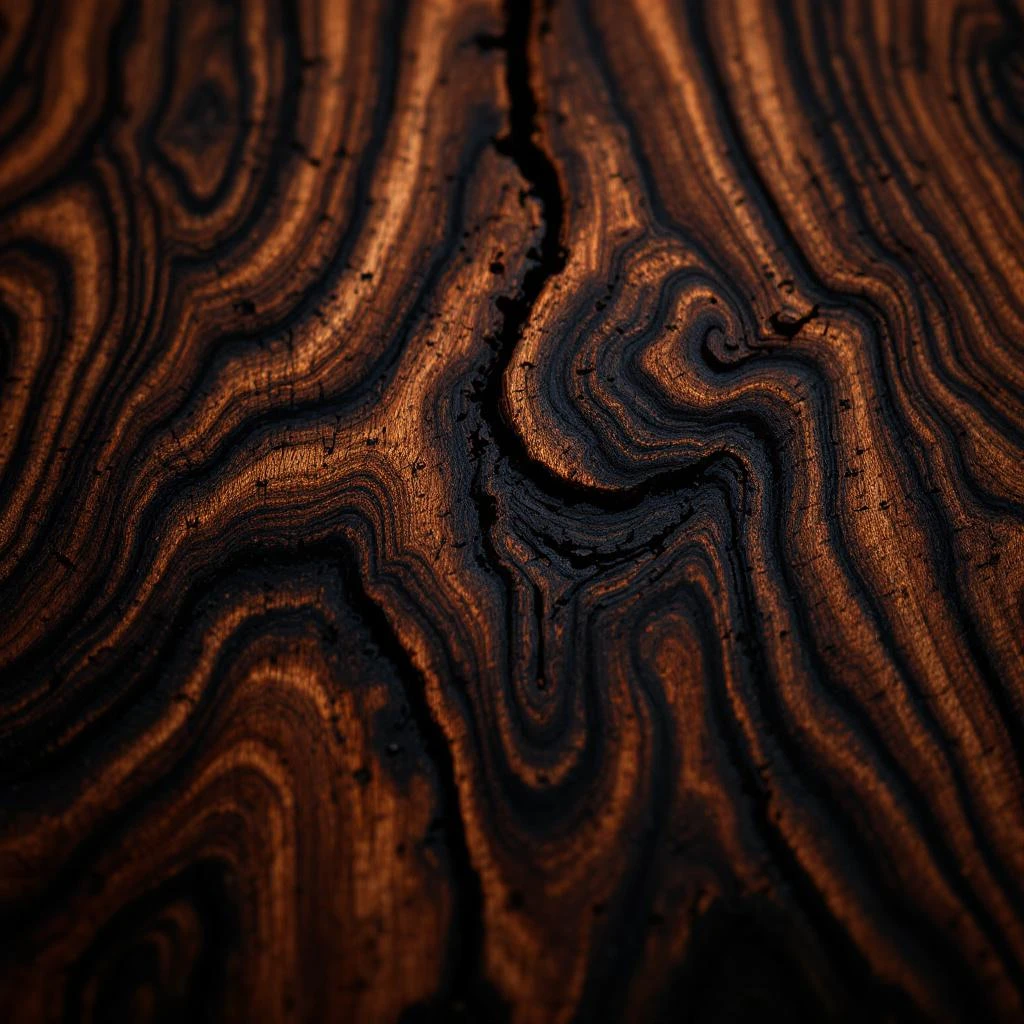
Texas Rosewood delivers a warm, woody core that anchors modern blends. Sourced from Peruvian heartwood, its resinous depth carries a subtle spice, offering perfumers a reliable anchor for both classic and avant‑garde creations.
Heritage
Rosewood first entered Western perfumery in the early 20th century, when Brazilian exporters supplied up to 90 % of the global market. By the 1950s, over 400 metric tons of rosewood oil were shipped annually, prized for its rich, balsamic scent. In 1925, botanists exploring the Juriti Velho region of the Amazon documented a distinct variety of Dalbergia that later became known as Texas Rosewood. Political restrictions on Brazilian harvests in the 1990s shifted demand toward Peruvian sources, where indigenous cooperatives began ethical extraction. Over the past decade, the ingredient has resurfaced in niche fragrances, celebrated for its sustainable pedigree and nuanced aroma that bridges traditional woody notes with a faint peppery edge.
At a Glance
1
Feature this note
Peru
Primary source region
Ingredient Details
Steam distillation
Dried heartwood
Did You Know
"The oil from Texas Rosewood can be traced back to a 1925 botanical expedition in the Amazon, where the first sustainable harvest was recorded, predating most modern ethical sourcing standards."