Terpenes
Terpenes are volatile organic compounds that give plants their signature aromas, from pine resin’s sharp bite to citrus zest’s bright sparkle, forming the core of many natural fragrances.
Character
How it smells
Nature’s aromatic building blocks.
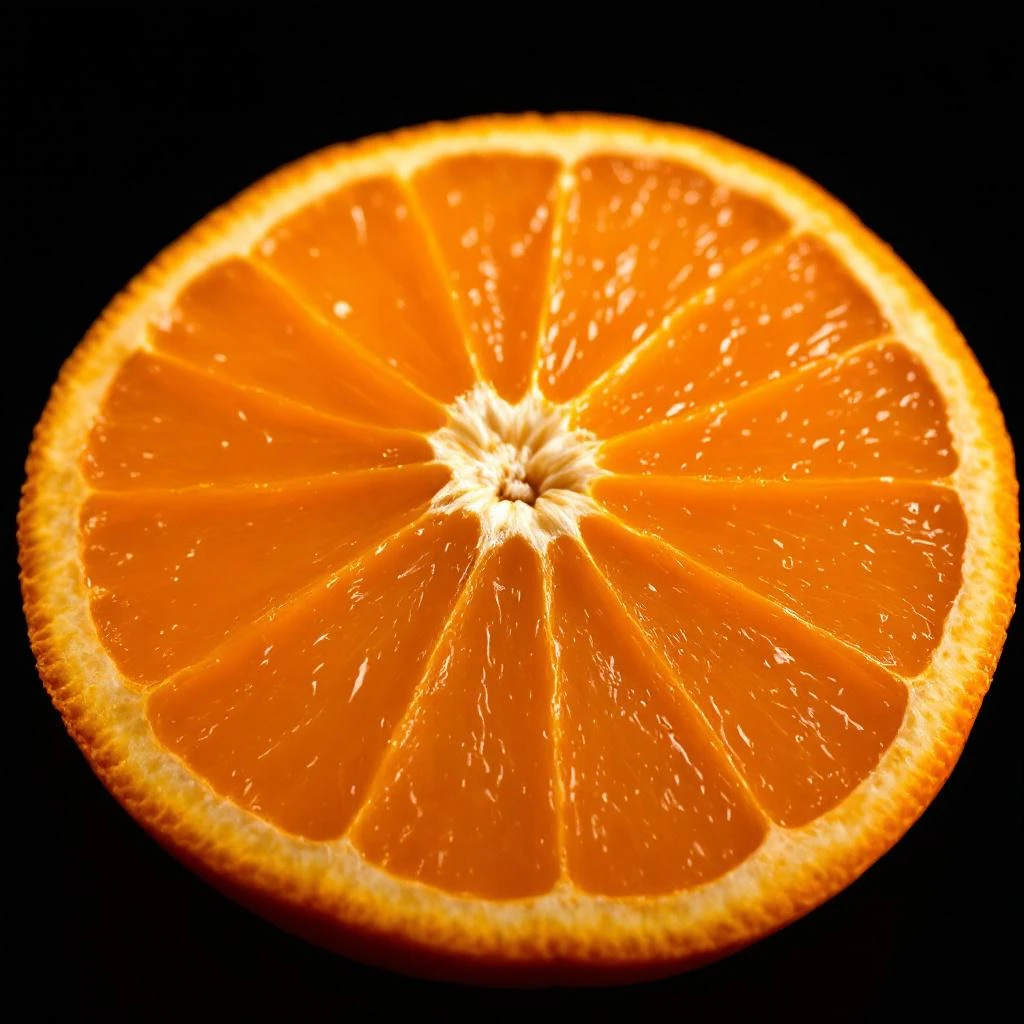
A single orange peel can release enough limonene to fill a 250‑ml bottle of perfume within minutes of cold‑press extraction.




Origin
India
Terpenes have guided human scent practices for millennia. Ancient Egyptians distilled frankincense and myrrh, extracting terpene‑rich resins for temple incense and royal cosmetics. Greek scholars recorded pine resin’s invigorating scent, noting its use in medicinal balms.
The 19th‑century rise of organic synthesis introduced laboratory‑made terpenes, enabling perfumers to replicate rare natural notes. In 1895, chemists synthesized the first lab‑created jasmine and rose scents, expanding the terpene palette beyond what harvests could provide. The mid‑20th century saw large‑scale steam distillation plants in France and Italy, standardizing terpene supply for the burgeoning perfume industry.
Recent advances in metabolic engineering have re‑introduced terpene production at the microbial level, echoing ancient practices of harnessing nature while meeting modern demand. Throughout history, terpenes have remained the aromatic bridge between raw plant material and refined fragrance art.
Wears it best
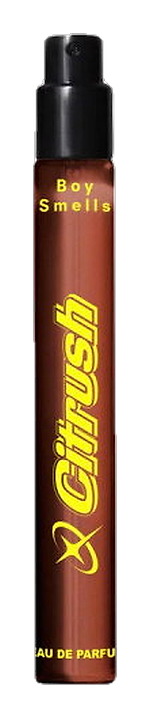
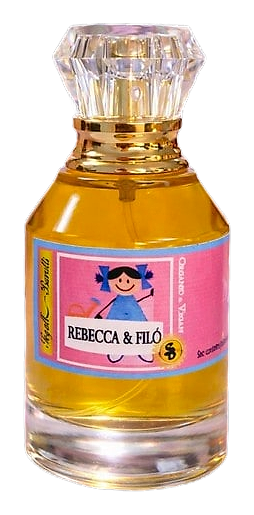
Fragrances featuring Terpenes


Brands
Brands known for Terpenes
Good to know
Questions, answered
The essentials on Terpenes in perfumery: how it smells, where it comes from, and how it behaves on skin.
What are terpenes?
Terpenes are aromatic hydrocarbons produced by plants and some microbes. They form the backbone of many natural essential oils and contribute citrus, pine, or floral notes. A 2020 survey identified over 30,000 distinct terpene structures across 1,200 plant species.
How are terpenes extracted for perfumery?
Perfume houses extract terpenes by steam distillation, cold‑pressing, or solvent extraction, depending on the source material. Steam distillation captures volatile terpenes from pine resin at 100 °C, while cold‑pressing yields citrus terpenes at ambient temperature. In 2022, steam‑distilled pine oil delivered 12 % limonene by weight.
Which plants provide the highest terpene yields?
Citrus fruits, coniferous trees, and certain herbs rank among the richest terpene sources. A single kilogram of orange peel can produce up to 150 g of limonene, while a cubic meter of pine wood yields roughly 8 % α‑pinene by distillation. The data comes from a 2021 industrial report.
Are all terpenes natural, or can they be synthetic?
Terpenes appear both as naturally extracted compounds and as lab‑made analogues. The industry synthesizes linalool and geraniol at scale to meet demand, matching the molecular structure of their natural counterparts. In 2019, synthetic linalool accounted for 40 % of global linalool supply.
How do terpenes influence a fragrance’s character?
Terpenes act as top‑note carriers, delivering bright, volatile impressions that evaporate quickly. Limonene adds sharp citrus, while pinene contributes fresh pine, shaping the initial perception of a perfume. A 2018 sensory panel recorded a 30 % increase in perceived freshness when limonene topped a base accord.
What safety considerations apply to terpene use?
Regulators require skin‑sensitization testing for terpene concentrations above 1 % in leave‑on products. Some terpenes oxidize to allergenic peroxides when exposed to air and light. The European SCCS set a 0.5 % limit for oxidized limonene in cosmetics in 2020.
How stable are terpenes during perfume aging?
Terpenes gradually oxidize, altering their scent profile over months to years. Antioxidant additives and airtight packaging slow this change, preserving the original character. A 2017 stability study showed that a terpene‑rich citrus accord lost 12 % of its limonene content after 18 months in a sealed bottle.
Can terpene sourcing support sustainable practices?
Sustainable terpene sourcing relies on renewable harvests, waste valorization, and biotech fermentation. Brazil’s orange industry repurposes peel waste to extract limonene, reducing landfill by 25 % annually. A 2023 life‑cycle analysis confirmed a 40 % lower carbon footprint for bio‑fermented α‑pinene versus pine‑tree distillation.