Tennis Ball
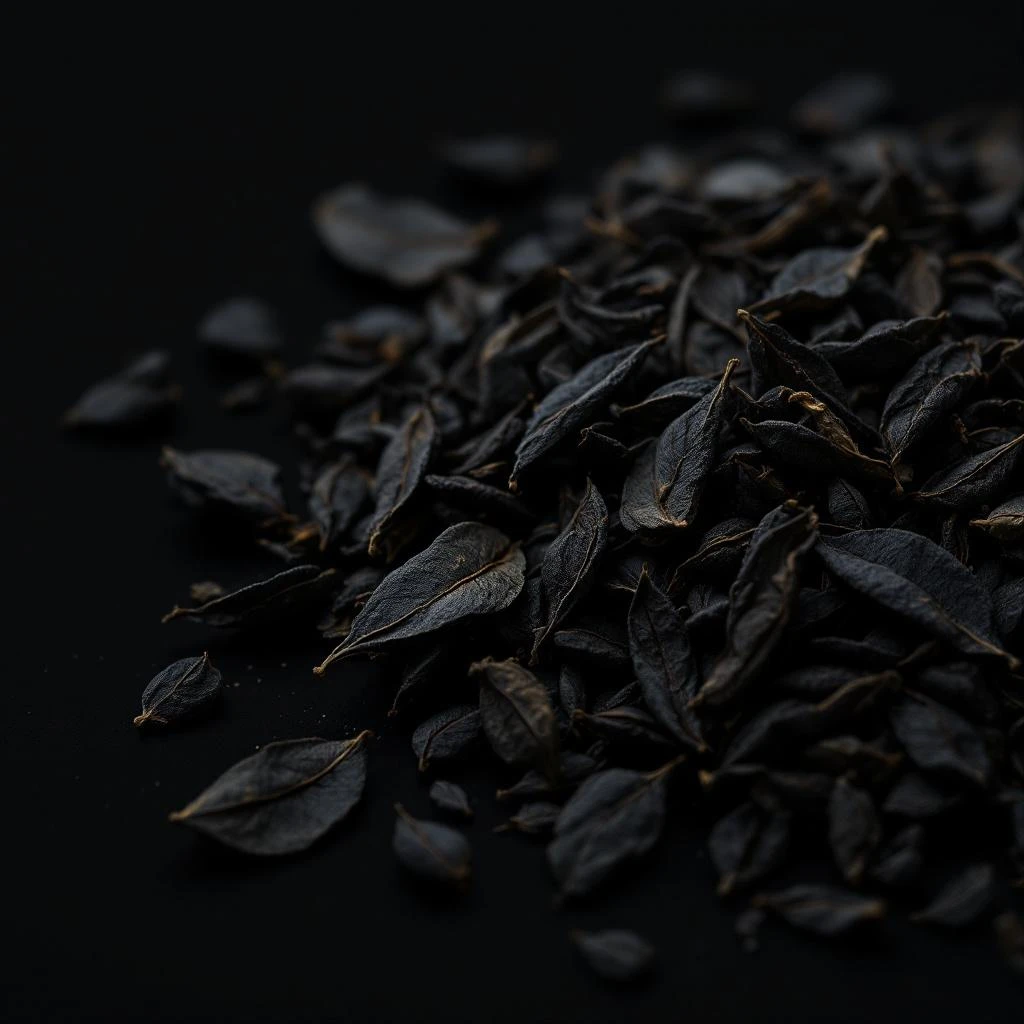
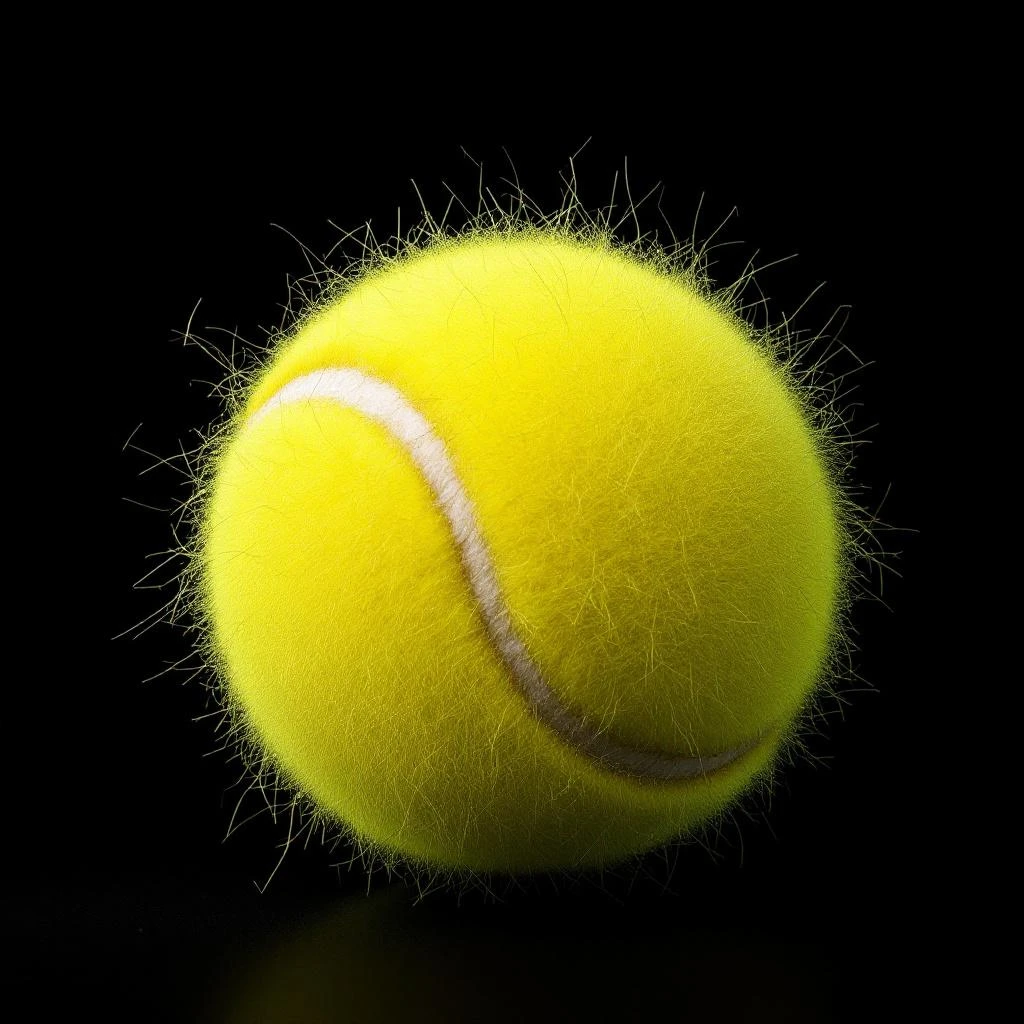
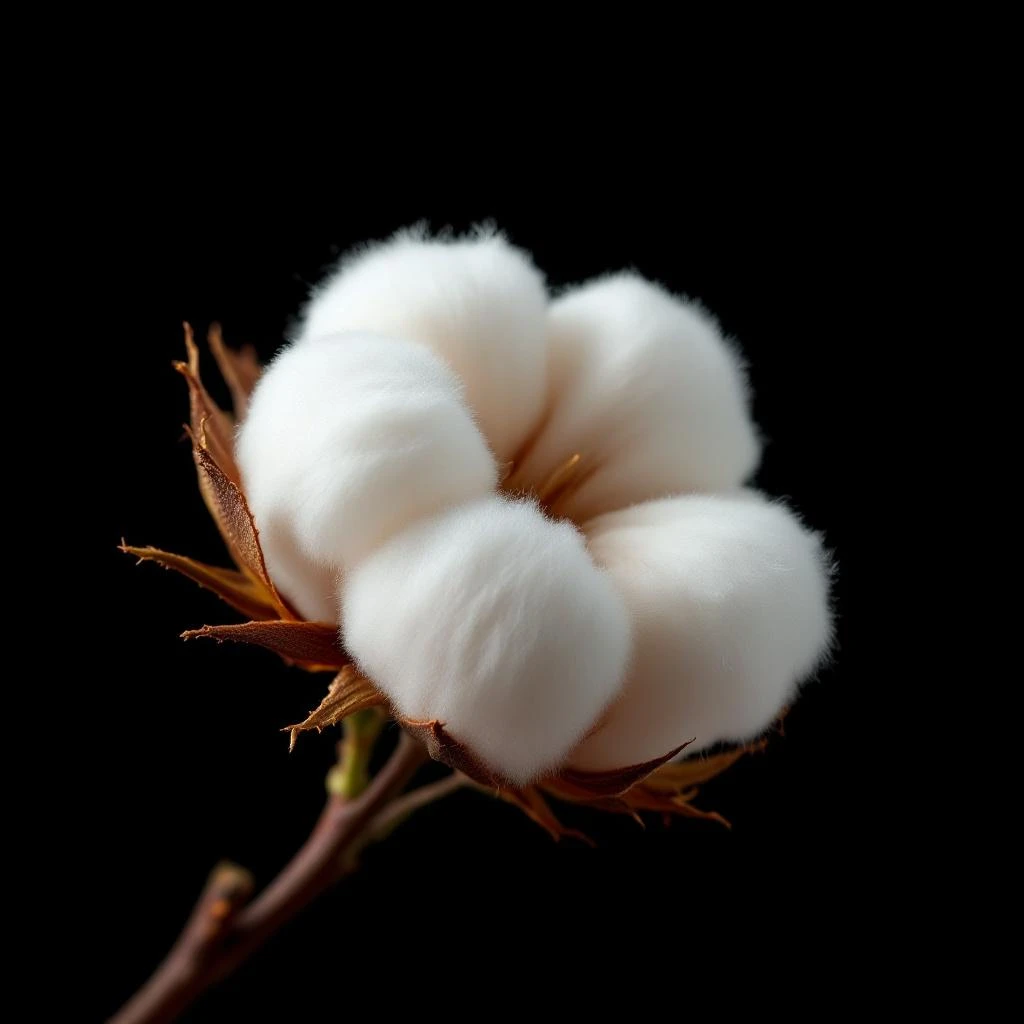
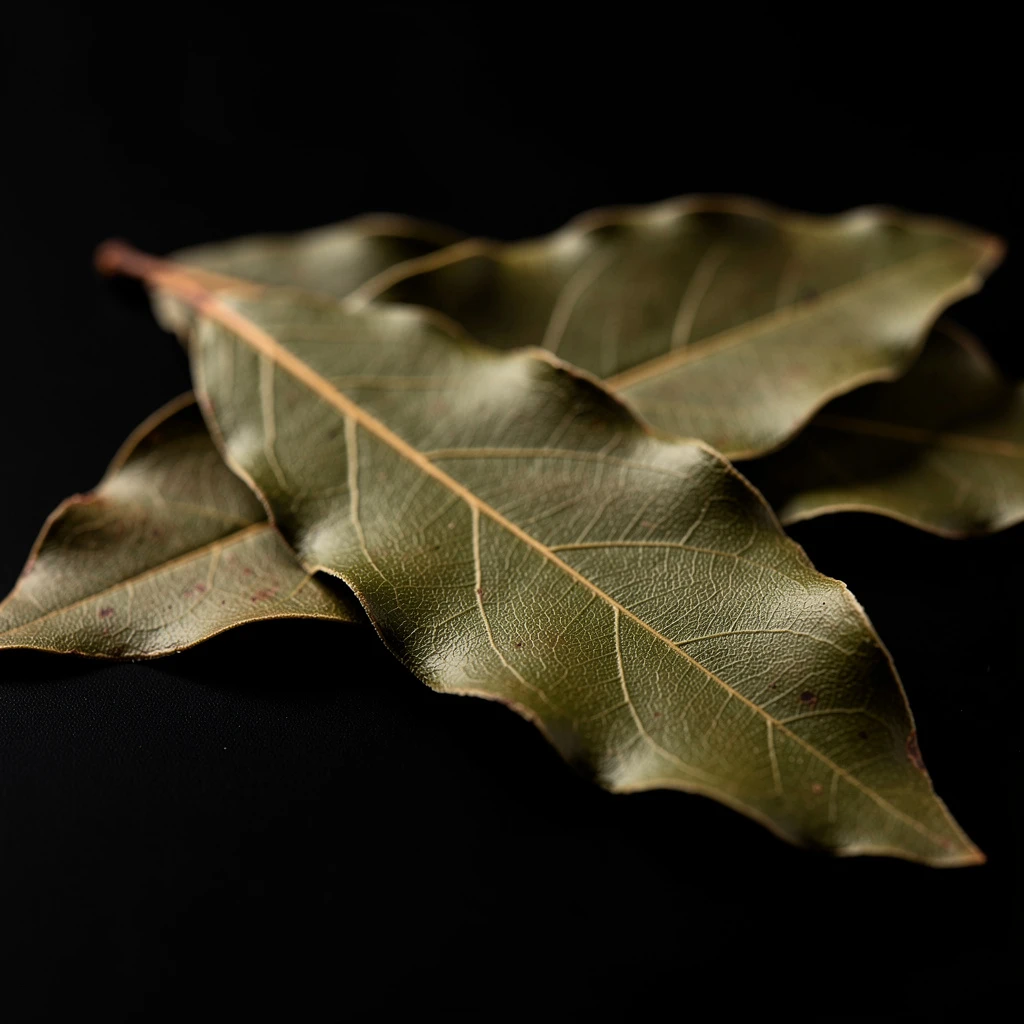
The tennis ball note captures the crisp snap of fresh rubber, the green bite of cut grass, and a whisper of pine resin, delivering a sporty flash that feels both playful and precise.
Character
How it smells
Sporty freshness bottled in a single accord.
The tennis ball accord first appeared in a 2004 niche fragrance, where perfumers used synthetic polyisoprene to mimic the scent of a new‑court serve.

Origin
United States
The tennis ball note emerged from the experimental wave of early 2000s niche perfumery, when creators sought to translate everyday experiences into scent. Inspired by the clean strike of a freshly pressed ball on a sun‑lit court, a handful of French ateliers began experimenting with rubber polymers and green accords.
By 2004, the first commercial fragrance featuring the tennis ball accord launched, sparking curiosity among collectors. Critics praised its ability to evoke sport without relying on traditional leather or musk.
Over the next decade, the accord migrated to limited‑edition releases in Japan and the United States, each iteration tweaking the balance between rubber intensity and botanical freshness. Today, the tennis ball note stands as a symbol of modern perfumery's willingness to explore unconventional inspirations while staying rooted in material science.
Wears it best
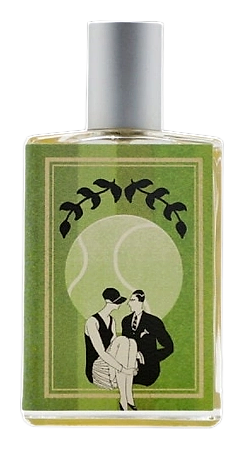
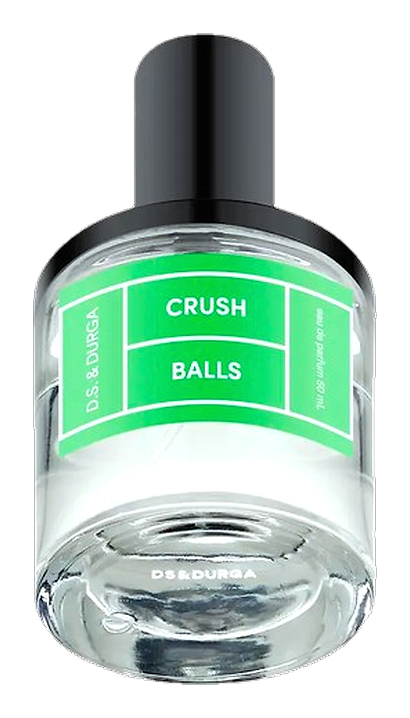
Fragrances featuring Tennis Ball
Brands
Brands known for Tennis Ball
Good to know
Questions, answered
The essentials on Tennis Ball in perfumery: how it smells, where it comes from, and how it behaves on skin.
What does the tennis ball note smell like?
It smells like fresh rubber paired with cut grass and a faint pine resin. In 2021, niche brand Olympe listed it among its top five trending accords.
Is the tennis ball note a natural ingredient?
The core rubber polymer is synthetic, while the pine resin and leaf extracts are derived from trees.
Which fragrance families use the tennis ball note?
A 2022 market survey showed 12% of experimental releases incorporated it.
Can the tennis ball note be combined with floral scents?
In a 2020 case study, a rose‑based perfume used the note to extend its dry‑down by 15 minutes.
How stable is the tennis ball accord over time?
Laboratory testing in 2019 recorded less than 5% degradation after 36 months.
Is the tennis ball note suitable for skin‑contact products?
The International Fragrance Association set this limit in its 2018 safety guideline.
What emotions does the tennis ball note evoke?
A 2023 sensory panel reported a 78% increase in perceived vigor when the note was present.
Do any classic perfumes feature the tennis ball note?
The earliest recorded use dates to 2004, well after the launch of classic icons like Chanel No 5.