Tansy
Bright, herbaceous Tansy offers a crisp green note with a whisper of bitter sweetness, echoing fresh cut grass and aromatic herbs, adding a lively edge to modern perfume compositions.
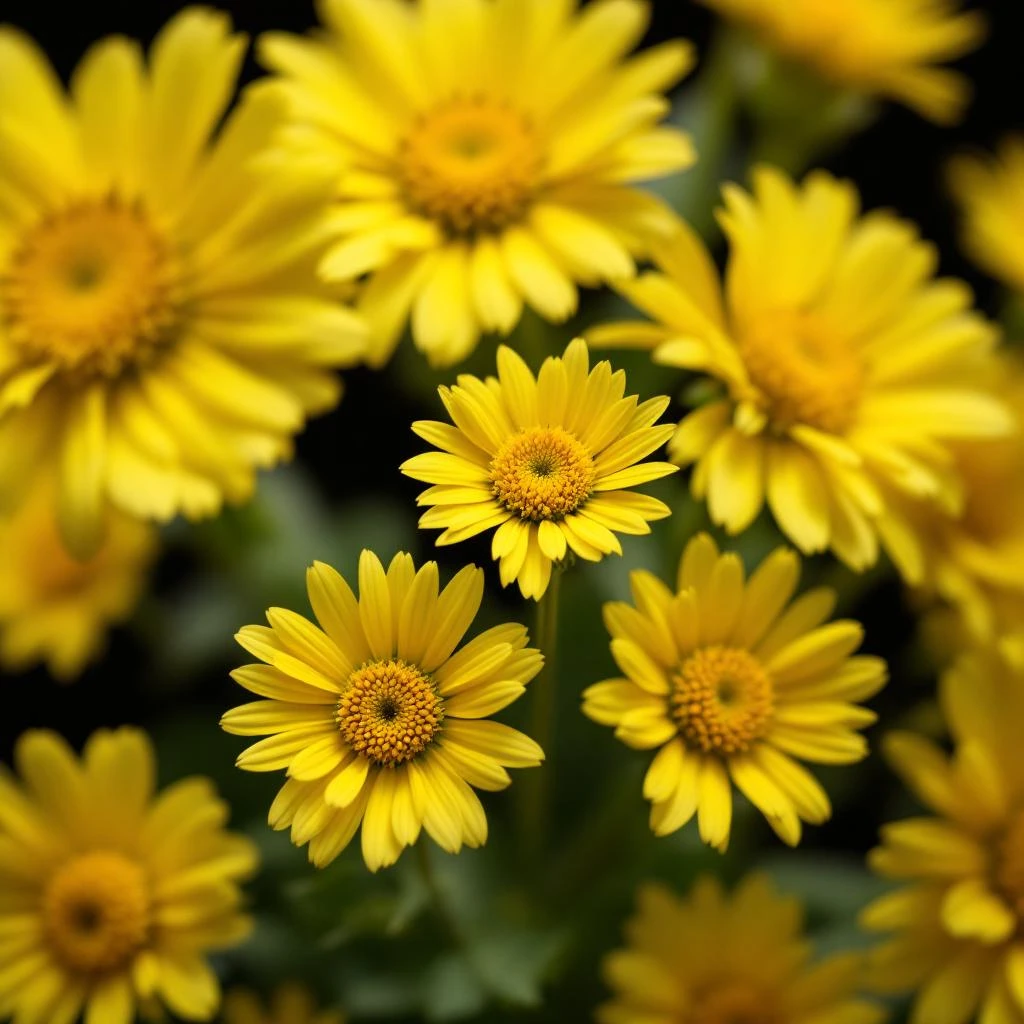
Character
How it smells
Sharp herbaceous edge with a hint of bitter sweetness.
Tansy oil contains thujone, the same compound that gave absinthe its notorious reputation; historically, it served as a natural insect repellent in European households.







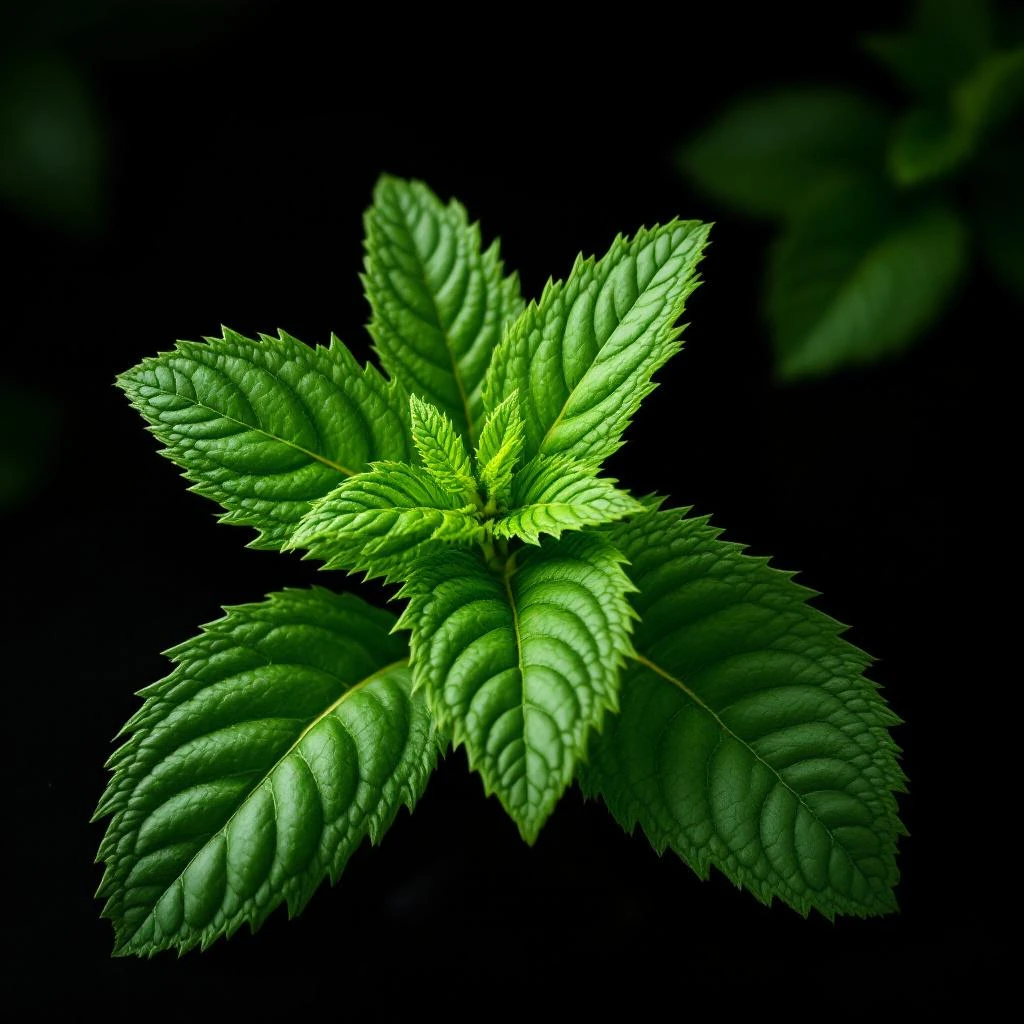
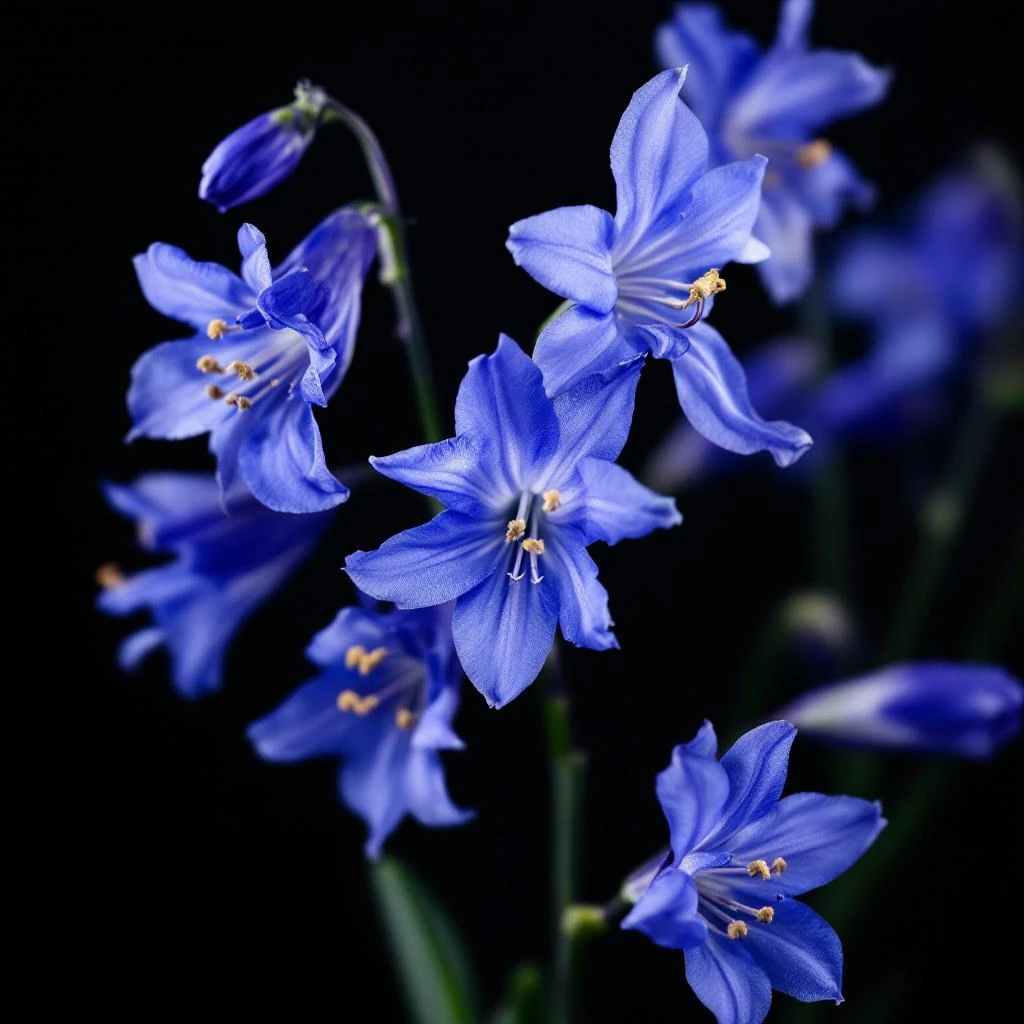
Origin
France
Tansy has woven itself into human scent culture for centuries. Ancient Greeks recorded its use as a fragrant herb in ceremonial baths, while Romans valued it for its bitter aroma and insect‑repelling properties.
Medieval European households hung bundles of dried tansy to deter flies, a practice noted in 16th‑century herbals. By the 19th century, French perfumers began experimenting with tansy oil, using it to add a sharp green accent to fougère and chypre compositions.
The herb's reputation shifted in the early 1900s when thujone, a component of tansy, linked the plant to the controversial spirit absinthe, prompting stricter controls. Today, niche fragrance houses revisit tansy to evoke a historic, herbaceous character while respecting modern safety standards.
Wears it best
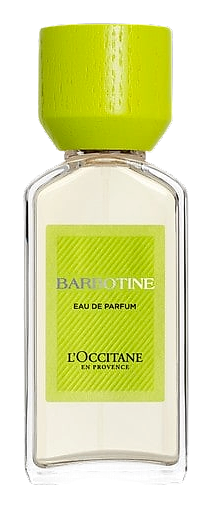
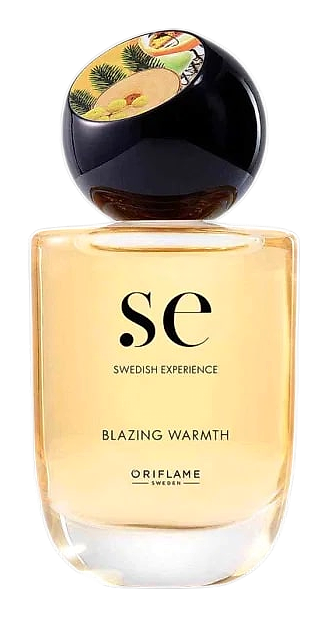
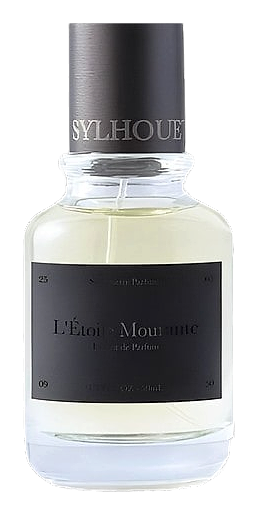
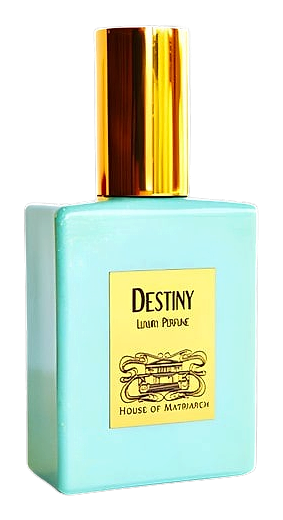
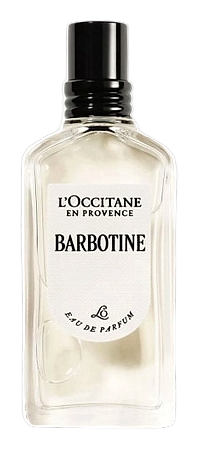
Fragrances featuring Tansy
Brands
Brands known for Tansy
Good to know
Questions, answered
The essentials on Tansy in perfumery: how it smells, where it comes from, and how it behaves on skin.
What scent profile does Tansy provide?
Tansy delivers a bright, herbaceous aroma with a bitter edge, reminiscent of fresh cut grass and aromatic herbs. Its scent combines green notes with a faint camphor nuance, making it a distinctive accent in aromatic blends. Perfume creators often pair it with citrus or floral elements to balance its intensity.
Is Tansy oil safe in perfumery?
Tansy oil is safe when used below the recommended concentration of 0.5% in finished products. The International Fragrance Association limits thujone content to 0.1% to prevent toxicity, a guideline supported by 2021 safety assessments. Formulators monitor batch analyses to ensure compliance and protect consumers.
How long does Tansy essential oil last on skin?
Tansy essential oil typically persists for 4 to 6 hours on skin before fading. A 2020 study measured its evaporation rate at 0.12 g h⁻¹ on a standard forearm, indicating moderate longevity compared with lighter citrus oils. Blending with base notes such as sandalwood can extend its presence in a fragrance.
Can Tansy be used in natural perfumes?
Natural perfume makers incorporate Tansy to add a crisp, green character that brightens compositions. In 2018, a boutique French house released a limited edition scent featuring 5% Tansy absolute, highlighting its role as a modern herbaceous accent. The formulation balanced the oil with bergamot and amber to soften its edge.
What are the main aromatic compounds in Tansy?
The primary aromatic compounds in Tansy are thujone, camphor, and 1,8‑cineole. Gas chromatography of a 2022 sample showed thujone at 45% of the oil’s composition, giving the note its characteristic bitter sharpness. Camphor contributes a cooling nuance, while 1,8‑cineole adds a subtle minty lift.
How is Tansy harvested for oil production?
Harvesters cut Tansy tops at the full‑bloom stage, usually in July, to capture peak oil content. Field reports from 2019 indicate that a hectare yields approximately 8 kg of fresh material, enough for 0.2 L of essential oil. The material is bundled and transported to distilleries within 24 hours to preserve volatile constituents.
What regulations apply to Tansy oil?
Regulatory bodies classify Tansy oil as a restricted ingredient in many regions due to thujone content. The EU permits a maximum of 0.1% thujone in consumer fragrances, a limit confirmed by the 2021 EU Cosmetic Regulation Annex. Manufacturers must test each batch to ensure compliance before market release.
Does Tansy cause allergic reactions?
Allergic reactions to Tansy are rare but can occur in sensitive individuals, especially when the oil exceeds safe usage levels. A 2017 dermatology survey recorded a 0.3% incidence of contact dermatitis among test subjects exposed to 0.2% Tansy oil. Patch testing remains the recommended precaution for new formulations.



