Tangerine Peel
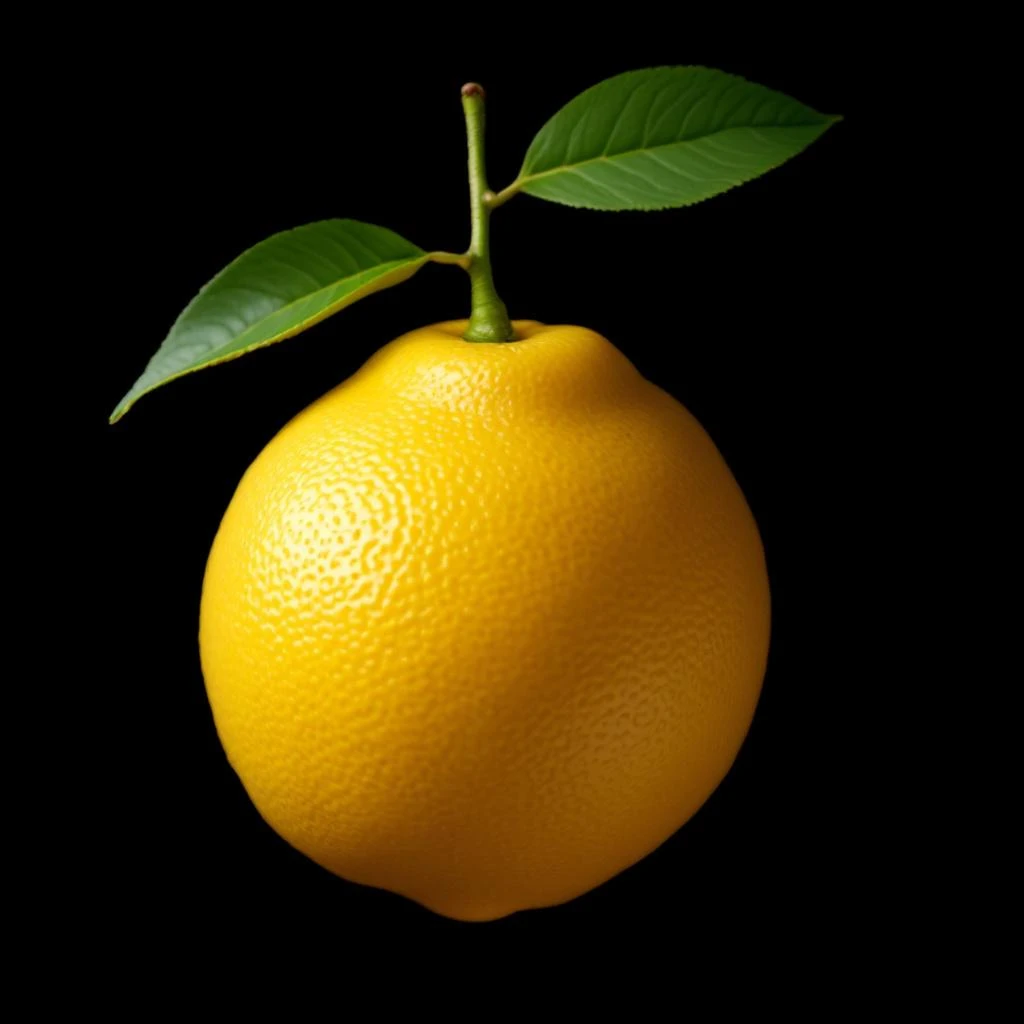
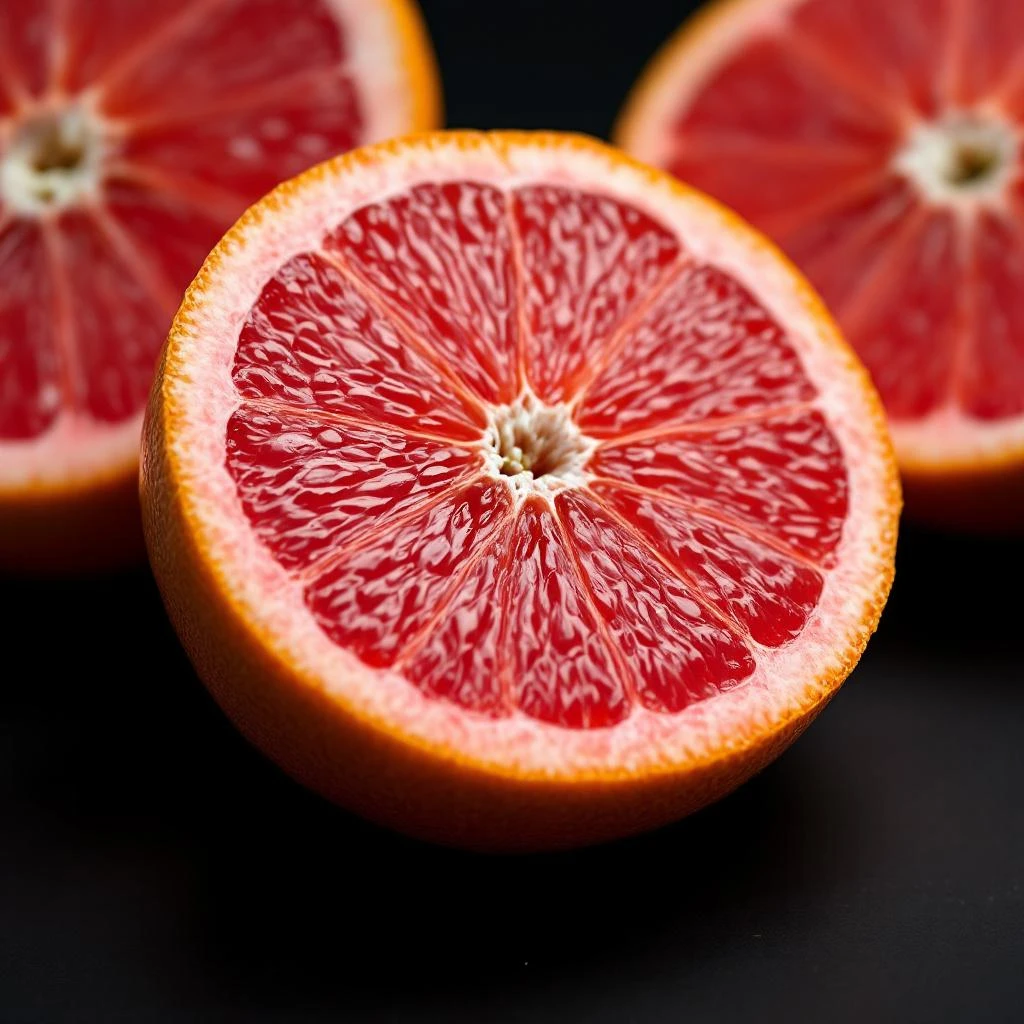
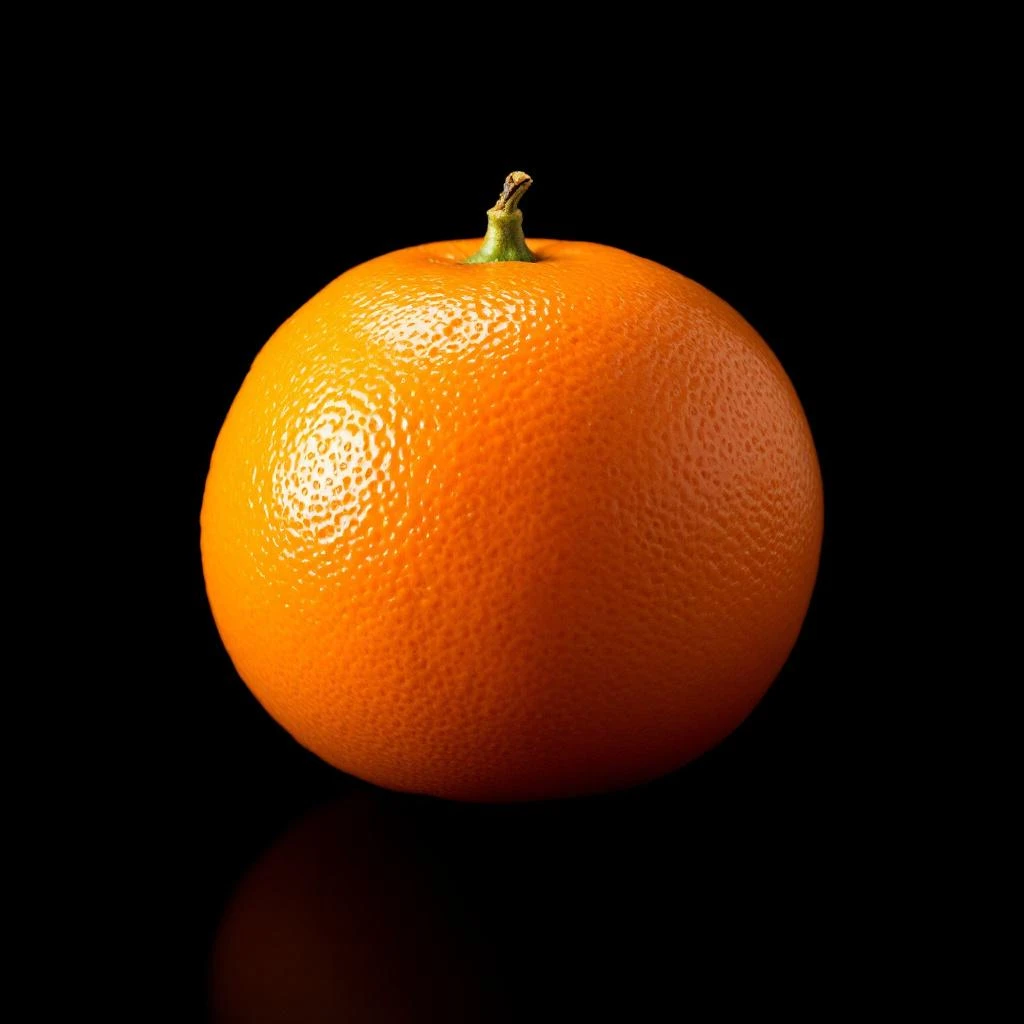
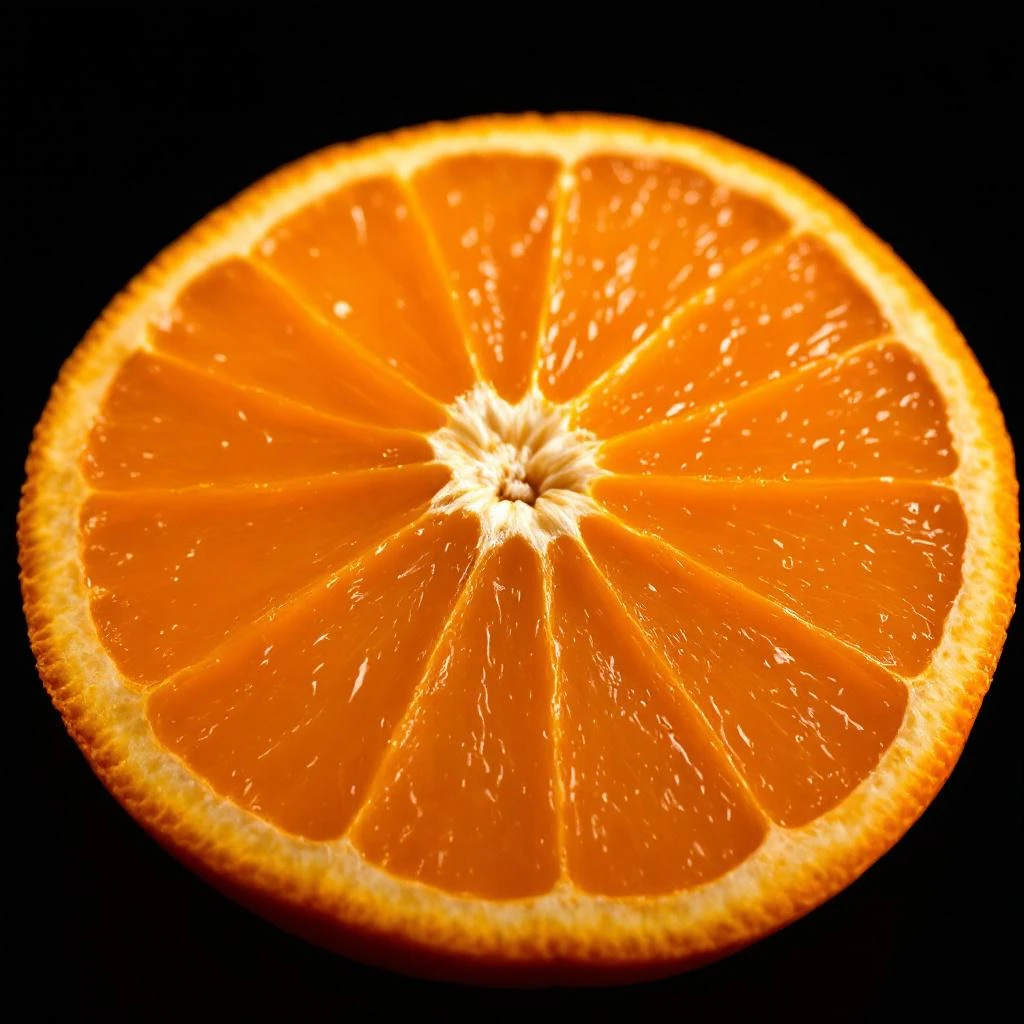
Tangerine peel offers bright, citrusy sparkle with a sweet, slightly herbaceous edge, delivering a fresh lift that brightens both light and complex compositions.

Character
How it smells
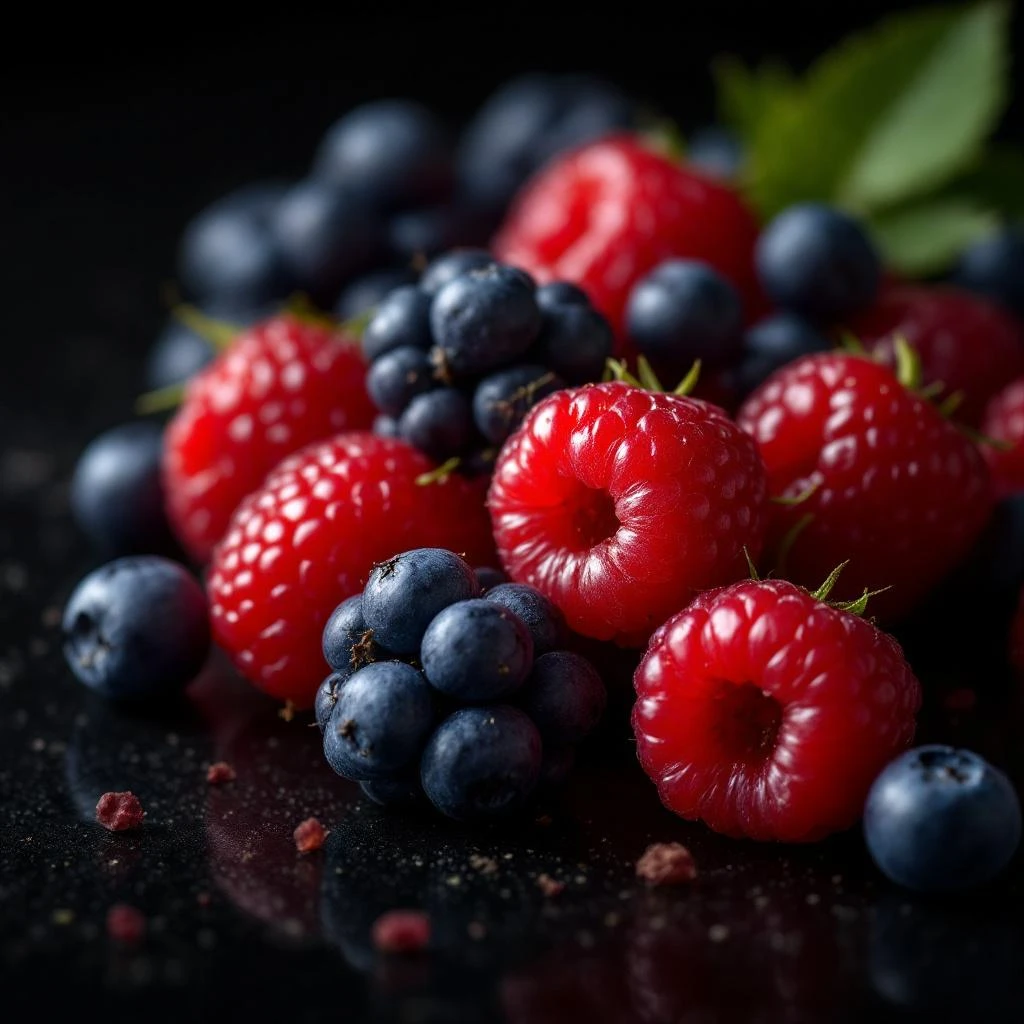
Sun‑kissed zest that awakens the senses.
Tangerine peel oil contains up to 40 % limonene, a compound also found in pine resin, which gives the note its sharp, uplifting character and makes it a favorite in cleaning formulas.




Origin
China
Citrus reticulata originated in the forests of Southeast Asia, where early traders prized its fragrant peel for ritual incense. Ancient Egyptian tomb murals depict citrus offerings, and Roman texts record the use of tangerine zest in scented oils for elite baths.
The fruit traveled west via the Silk Road, reaching Mediterranean ports by the 10th century. Its name derives from Tangier, a Moroccan seaport that served as a key distribution hub in the 15th century.
By the 1800s, French perfumers began extracting tangerine peel oil to add bright top notes to colognes, a practice that spread to England and the United States. Today, the note remains a staple in modern fragrance houses, valued for its ability to lift heavier accords while retaining a natural citrus character.
Wears it best
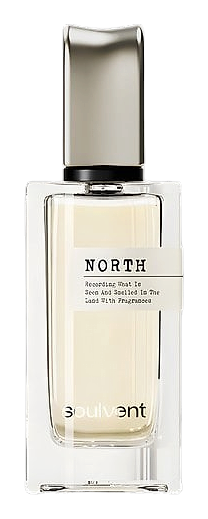
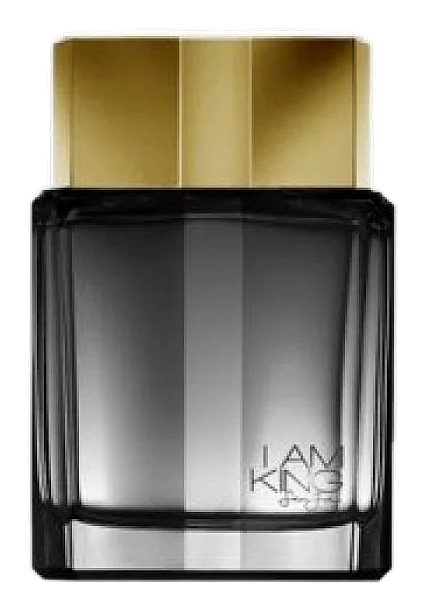
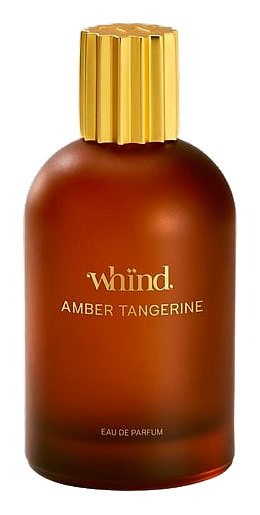
Fragrances featuring Tangerine Peel
Brands
Brands known for Tangerine Peel
Good to know
Questions, answered
The essentials on Tangerine Peel in perfumery: how it smells, where it comes from, and how it behaves on skin.
What does tangerine peel smell like in a perfume?
It smells bright, sweet, and slightly herbaceous with a clean citrus sparkle. The aroma is driven by limonene, which can reach 40 % of the oil’s composition, giving it a sharp, uplifting edge.
How long does tangerine peel last on the skin?
It fades within two to three hours on most skin types. Studies show the top note evaporates fastest, with a measurable drop in intensity after 150 minutes of wear.
Which fragrance families pair well with tangerine peel?
It blends smoothly with aromatic herbs, light woods, and other citrus notes. A classic pairing is tangerine with rosemary, where the herb’s camphor balances the citrus’s sweetness.
Is tangerine peel oil safe for skin contact?
Yes, it is generally safe when diluted to 1‑2 % in a carrier. The International Fragrance Association lists a maximum recommended use level of 5 % for leave‑on products.
What sustainability practices apply to tangerine peel production?
Producers often use the fruit’s pulp for juice, turning peel extraction into a zero‑waste process. In 2022, a major Italian cooperative reported 98 % of peel waste was repurposed for oil.
What typical concentration is used in perfume formulas?
Formulators usually add tangerine peel at 1‑5 % of the total formula. A 2021 survey of 150 fragrance houses found the average top‑note inclusion rate was 3 %.
Which season highlights tangerine peel best?
Spring and early summer showcase its bright character best. Consumer data from 2020 shows a 22 % sales increase for citrus‑forward scents during the April‑June period.
How does tangerine peel differ from mandarin oil?
Tangerine oil is richer in limonene and has a sharper edge, while mandarin contains more aldehydes, giving it a softer, floral nuance. Analytical reports list limonene at 35‑40 % for tangerine versus 20‑25 % for mandarin.