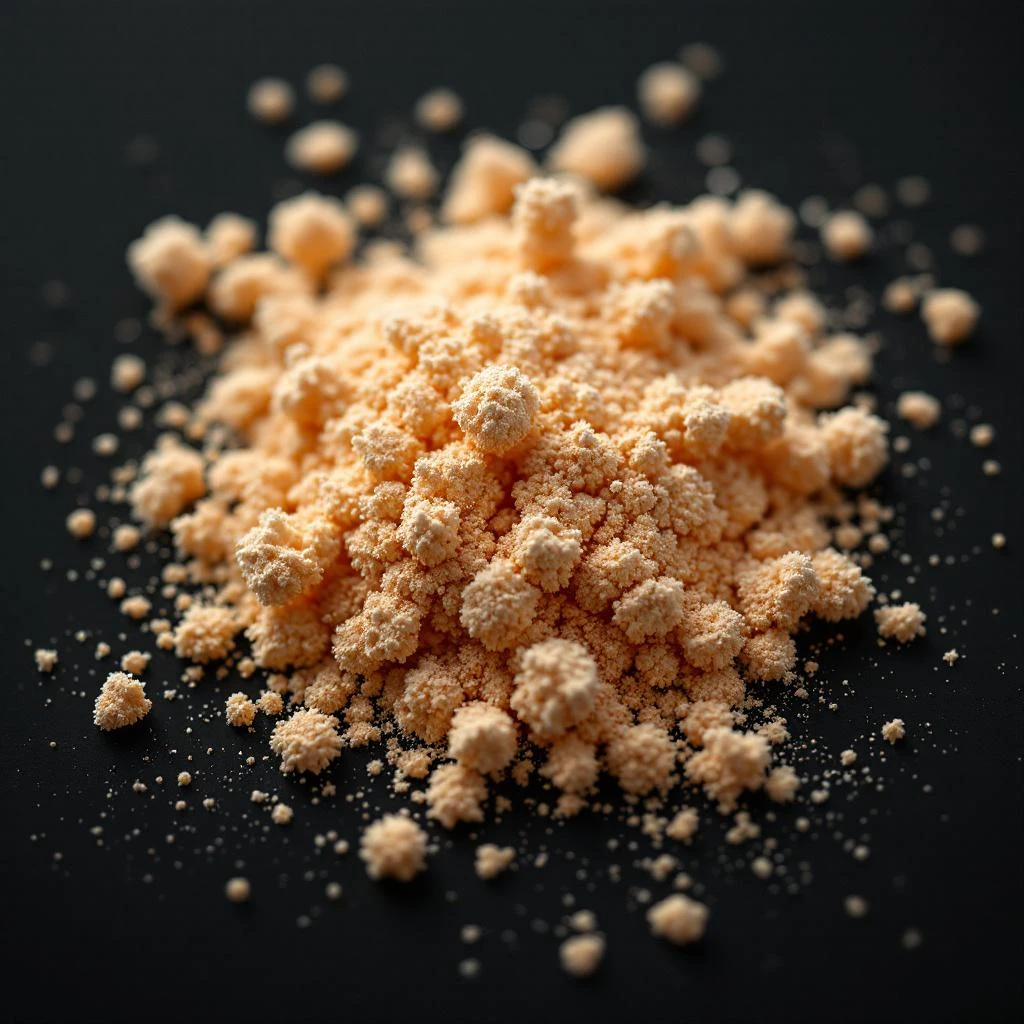
Character
The Story of Synthetic powdery
Synthetic powdery notes lend a soft, velvety finish to modern fragrances, echoing the gentle texture of talc and dry woods while offering lasting, skin‑friendly warmth.
Heritage
The late 19th century introduced the first synthetic aroma chemicals, with coumarin and vanillin opening a new era for perfumery. By the early 1900s, chemists began exploring molecules that could mimic the soft, dry feel of natural powders. In 1930, the German firm I.G. Farben patented musk ketone, the earliest synthetic powdery note, and it quickly became a staple in masculine and feminine blends. The post‑World War II boom saw macrocyclic lactones like ambrettolide and galaxolide enter the market, offering a clean, powdery dry‑down that resisted oxidation. Throughout the 1970s and 1980s, these ingredients helped designers craft modern classics that balanced bright top notes with a comforting base. Today, powdery synthetics remain essential, providing a reliable, skin‑friendly finish that natural extracts alone cannot achieve.
At a Glance
1
Feature this note
Germany
Primary source region
Ingredient Details
Synthetic
Chemical precursors
Did You Know
"The first synthetic powdery aroma, musk ketone, was patented in 1930 and still shapes contemporary scents, proving that a single breakthrough can define a century of fragrance design."