Character
The Story of Sweets
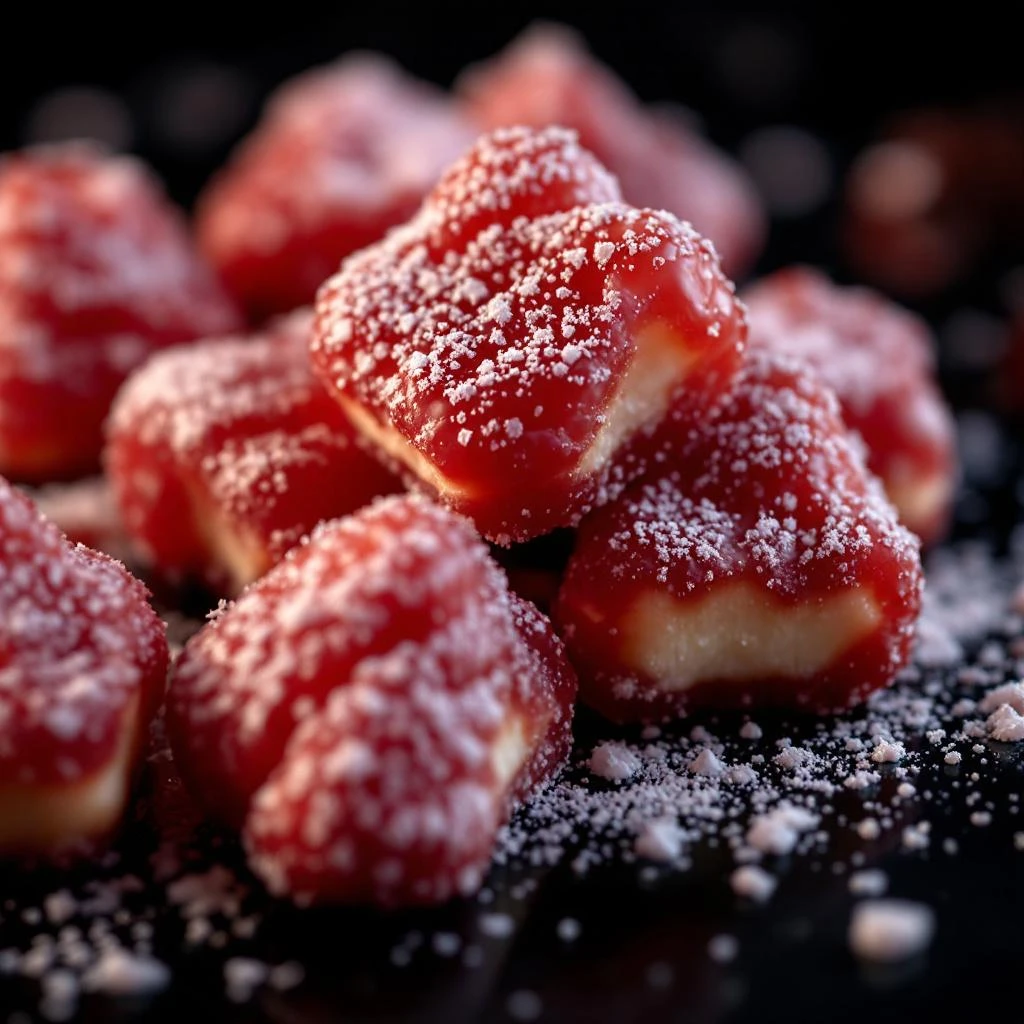
Sweet fragrance notes encompass edible, sugary accords from vanilla to tonka, benzoin to heliotrope. These warm, comforting ingredients create olfactory impressions reminiscent of confectionery, caramel, and honeyed warmth that have captivated perfumers for centuries.
Heritage
Sweet-smelling substances have held sacred significance since ancient Egypt, where honey and resins perfumed temples and tombs. The ancient Greeks and Romans embraced sweet florals like lilies and iris in their cosmetics. Arab perfumers revolutionized extraction techniques during the Islamic Golden Age, making sweet ingredients more accessible. The 19th century marked a turning point when chemist Ferdinand Tiemann isolated vanillin in 1874, and coumarin became the first synthetically produced fragrance ingredient in 1832. This blend of natural and synthetic sweet notes defines modern perfumery's approach to edible, gourmand accords.
At a Glance
2
Feature this note
Multiple origins, with Madagascar as primary source for vanilla
Primary source region
Ingredient Details
Multiple methods including solvent extraction, maceration, and synthetic organic chemistry
Resin, seed pods, beans, balsam, and lab-created aromatic molecules
Did You Know
"Coumarin, first isolated from tonka beans in 1822, was the first fragrance chemical produced synthetically in 1832, opening the door to modern aromatic chemistry."
Pyramid Presence