Character
The Story of Swedish Gooseberry
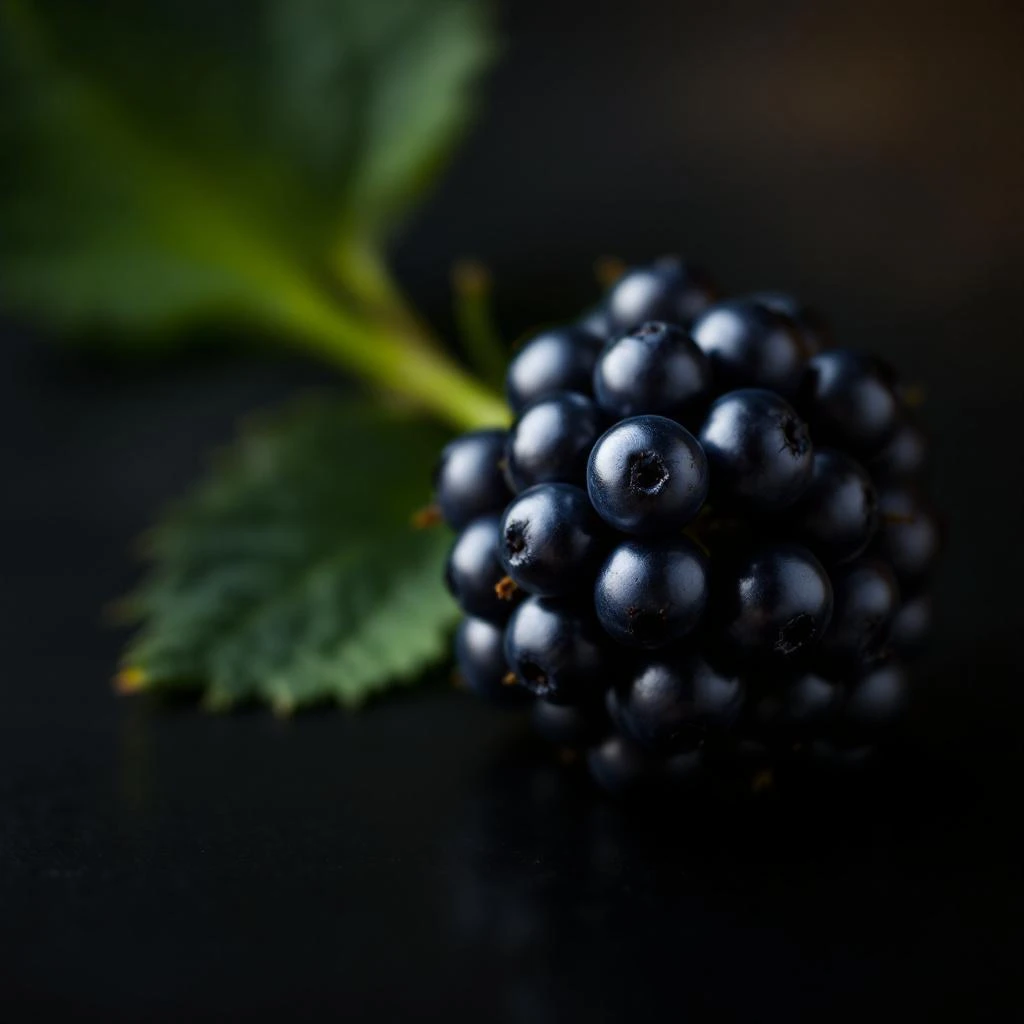
Swedish Gooseberry delivers a bright, tart green note that lifts a perfume with crisp fruitiness and subtle herbaceous nuance, echoing the cool Nordic forests.
Heritage
Swedish gooseberry entered the perfume world in the early 20th century, when Nordic botanists began documenting its aromatic potential. In 1924, a Swedish chemist recorded the fruit’s distinctive green-apple and citrus facets, prompting small-batch houses to experiment with the material. During the post-war era, the note appeared in several avant-garde colognes that sought a crisp, northern character. By the 1970s, advances in CO₂ extraction allowed perfumers to capture the fruit’s true aroma, replacing earlier tincture methods that produced a muted profile. Today, the ingredient symbolizes the clean, cool air of Scandinavian forests and appears in niche fragrances that celebrate natural fruit authenticity.
At a Glance
1
Feature this note
Sweden
Primary source region
Ingredient Details
Supercritical CO₂ extraction
Fruit flesh and skin
Did You Know
"Swedish Gooseberry is one of the few fruit absolutes that retain a natural green acidity without added synthetics, thanks to its high malic acid content, which can reach up to 1.8 g per 100 g of fresh fruit."