Character
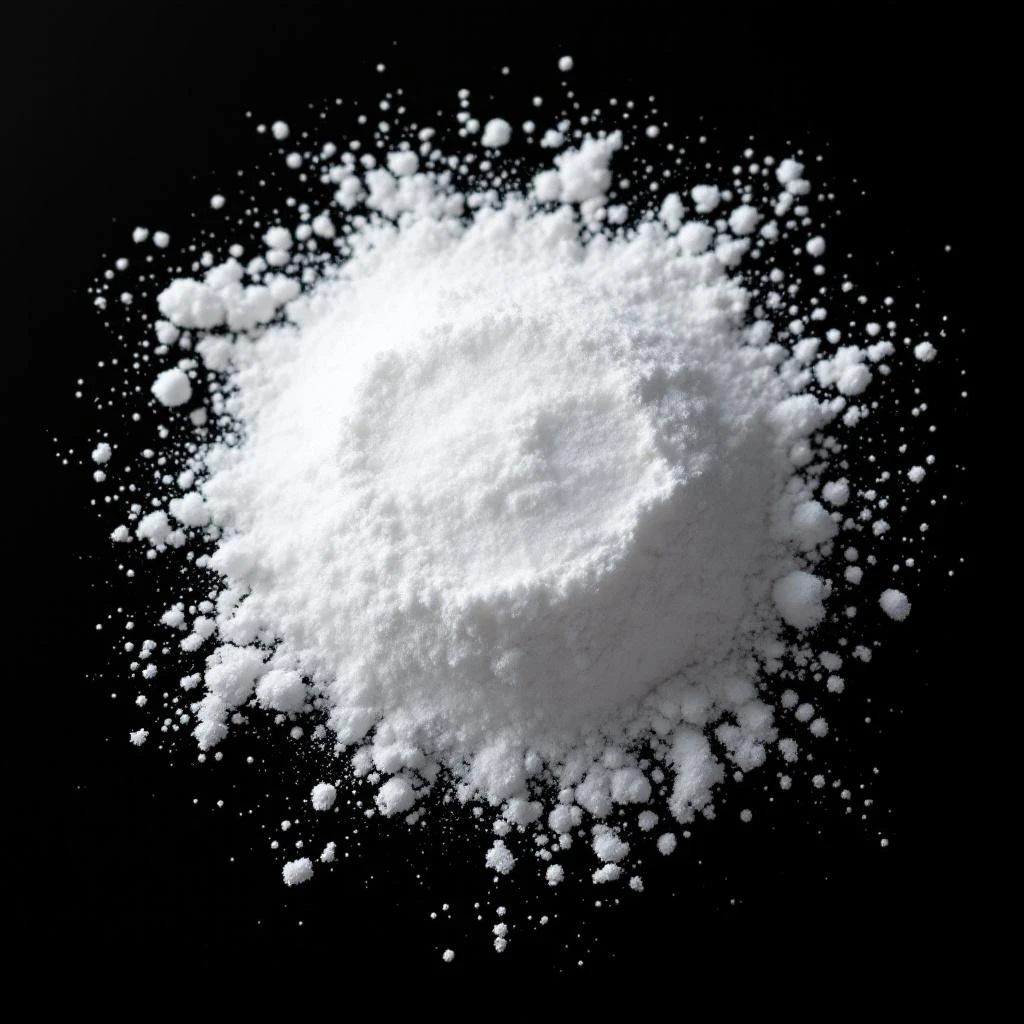
The Story of Sugar powder
Fine, glistening sugar powder adds a crisp, sweet‑powdery facet to fragrance blends, echoing the bright sparkle of freshly sifted confection. Its subtle grainy texture translates into a soft, airy sweetness that lifts floral and gourmand accords without overwhelming them.
Heritage
Ancient Mesopotamian priests mixed crushed sugar crystals with incense to sweeten ritual smoke, creating a pleasant ambience for temples. Egyptian artisans later combined sugar with aromatic resins, noting that the powder softened harsh aromas. By the medieval period, Arab alchemists refined sugar extraction, documenting its use as a sweetening agent in scented oils. The 18th‑century French perfumers began adding powdered sugar to their compositions, discovering that it could veil aggressive synthetic accords while adding a clean sweetness. The industrial revolution accelerated sugar refining, making fine powder widely available to fragrance houses. In the 1920s, the rise of gourmand perfumery highlighted sugar powder as a key ingredient, offering a bright, edible quality without the heaviness of vanilla. Today, sugar powder remains a staple in modern perfume labs, valued for its ability to lift and balance complex blends.
At a Glance
5
Feature this note
India
Primary source region
Ingredient Details
Processing (refining)
Refined sugar crystals
Did You Know
"Early 20th‑century perfumers discovered that a pinch of powdered sugar could mask harsh synthetic notes, a trick still used in modern gourmand creations."
Pyramid Presence