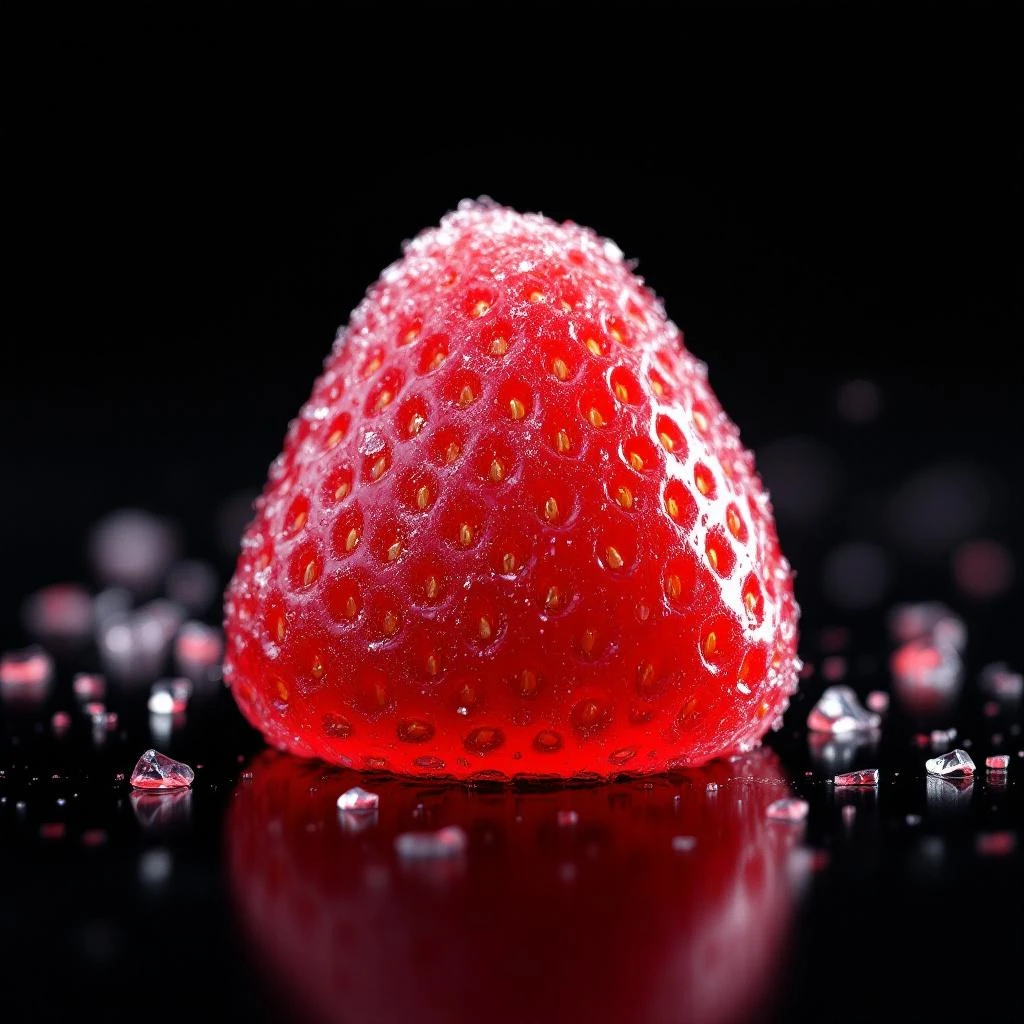
Strawberry Candy
Strawberry captures the essence of sun-ripened red fruit with a juicy, slightly floral character. In perfumery, it is a synthetic accord recreating the fruit's sweet and green facets, lending an appetizing, nostalgic quality to compositions.
Character
How it smells
Red fruit, green edges, sweet nostalgia bottled for the skin.
Strawberries are not true berries but belong to the rose family. They contain furaneol, the same compound that gives pineapples their sweet aroma.




Origin
France
Our recorded obsession with this sweet fruit stretches back to Antiquity. Romans prized strawberries not only for their taste but for their medicinal properties and distinctive scent, particularly when incorporated into cosmetics. The formal cultivation of strawberries did not begin until the Renaissance period. Before that, our ancestors relied entirely on wild strawberries or wood strawberries to satisfy their cravings.
The genus Fragaria encompasses all strawberry species, placing them within the rose family, Rosaceae. Europeans began systematic cultivation in the 18th century when a North American variety was crossed with a Chilean variety, producing the large, sweet strawberries we recognize today. This horticultural breakthrough transformed the wild fruit into the cultivated crop that now dominates global agriculture.
In perfumery, strawberry fragrances experienced a surge in popularity during the early 2000s, though they often carried youthful or feminine associations that limited their appeal. Contemporary perfumers have reframed strawberry by combining it with unexpected partners like bergamot, pink pepper, and warm musks, creating genderless interpretations that feel sophisticated rather than nostalgic.
Wears it best
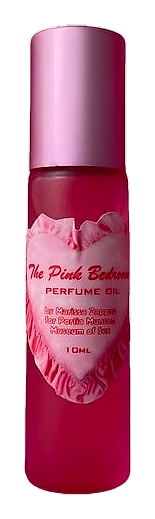
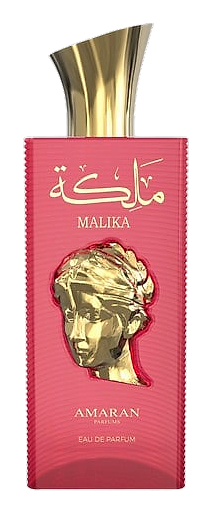
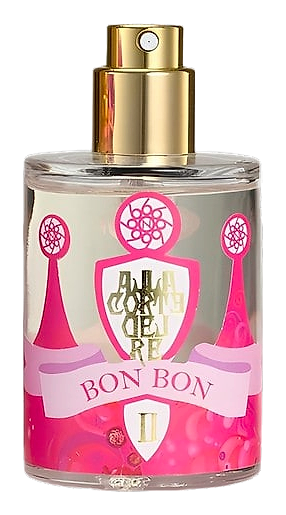
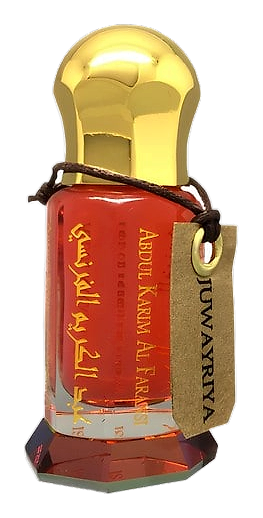
Fragrances featuring Strawberry Candy

Brands
Brands known for Strawberry Candy
Good to know
Questions, answered
The essentials on Strawberry Candy in perfumery: how it smells, where it comes from, and how it behaves on skin.
What does Strawberry candy smell like in perfume?
Strawberry candy in perfume delivers a juicy, red-fruit scent with sweet and green facets. It combines immediate fruity esters with creamy lactones for ripeness and jammy furaneol for characteristic sweetness, creating an appetizing impression that oscillates between fresh and candied.
Why is Strawberry candy used in perfumery?
Strawberry candy adds warmth, sweetness, and emotional resonance to fragrances. The note evokes positive childhood memories while creating an approachable, indulgent quality. It works particularly well in genderless and modern compositions when paired with unexpected partners like bergamot or pink pepper.
Is Strawberry candy in perfume natural or synthetic?
Strawberry candy in perfume is synthetic. No single naturally occurring molecule produces the complete strawberry aroma. Perfumers construct the note by blending five molecular families: fruity esters, green C6 compounds, acid backbones, lactones, and sweet jammy enhancers like furaneol.
What famous perfumes contain Strawberry candy?
Strawberry appears in fragrances including PHLUR Strawberry Letter, Malin+Goetz Strawberry, and Commodity FRUIT expressions. Modern interpretations often pair strawberry with non-traditional partners to create sophisticated, gender-neutral compositions rather than overtly sweet or juvenile scents.
Is Strawberry candy a top note, heart note, or base note?
Strawberry candy functions primarily as a heart note in most fragrance compositions. Its fruity esters provide immediate impact upon application, while the lactone and sweet components create lasting mid-palette presence. The note rarely serves as a base unless used at high concentration.
What notes pair well with Strawberry candy in perfume?
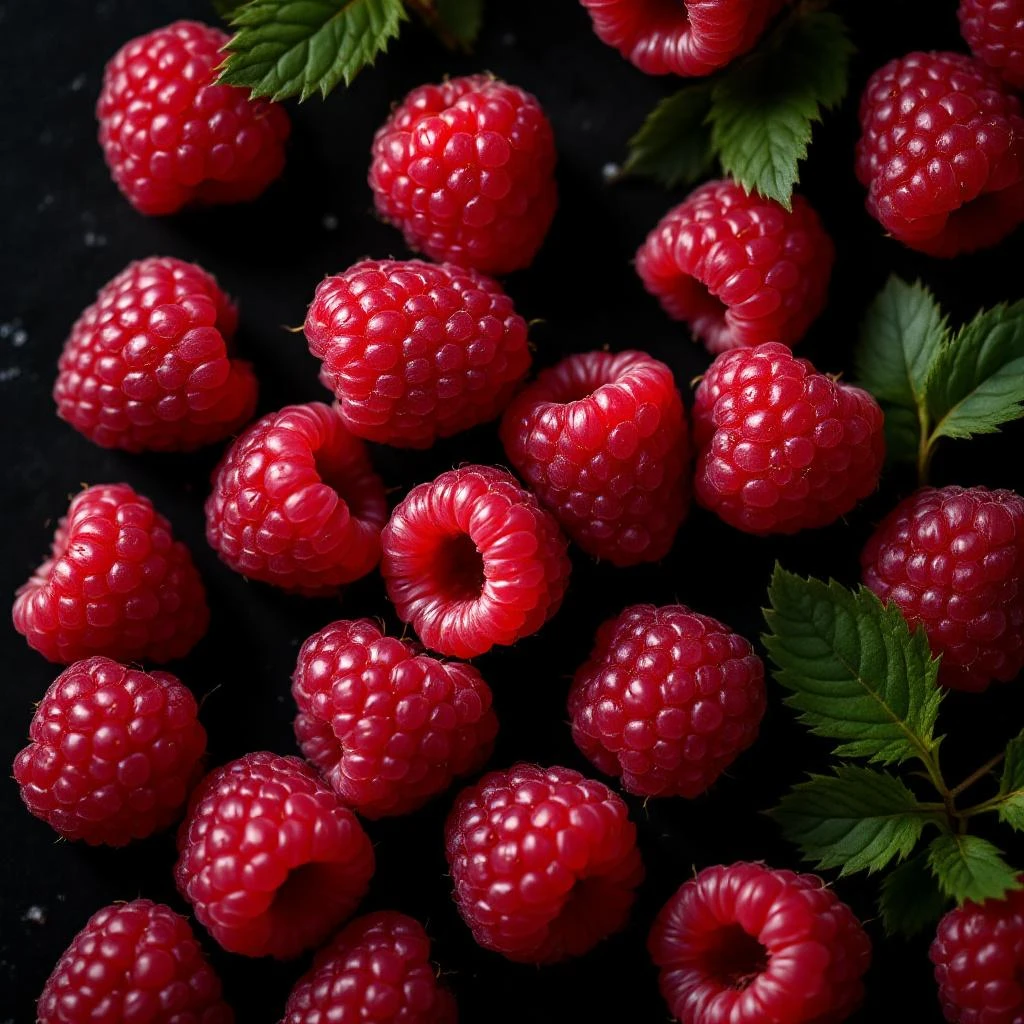
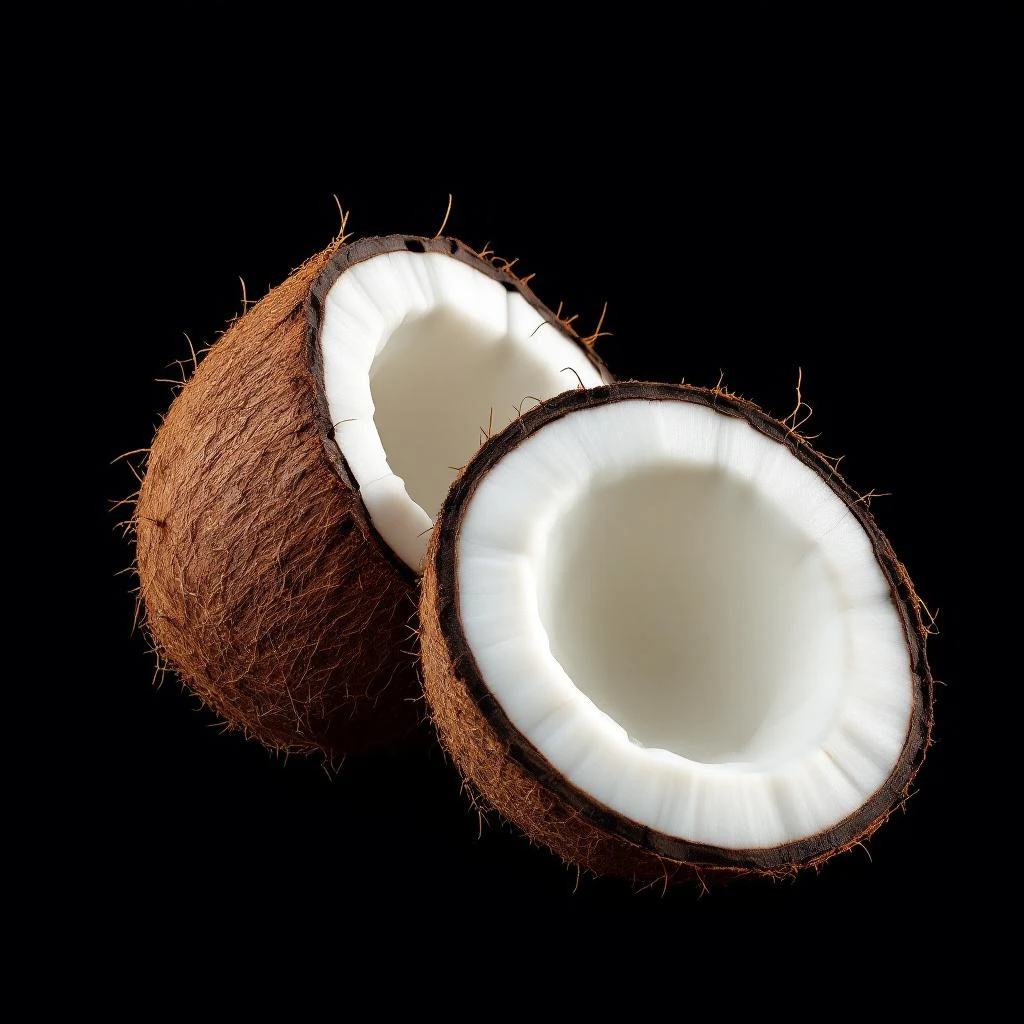
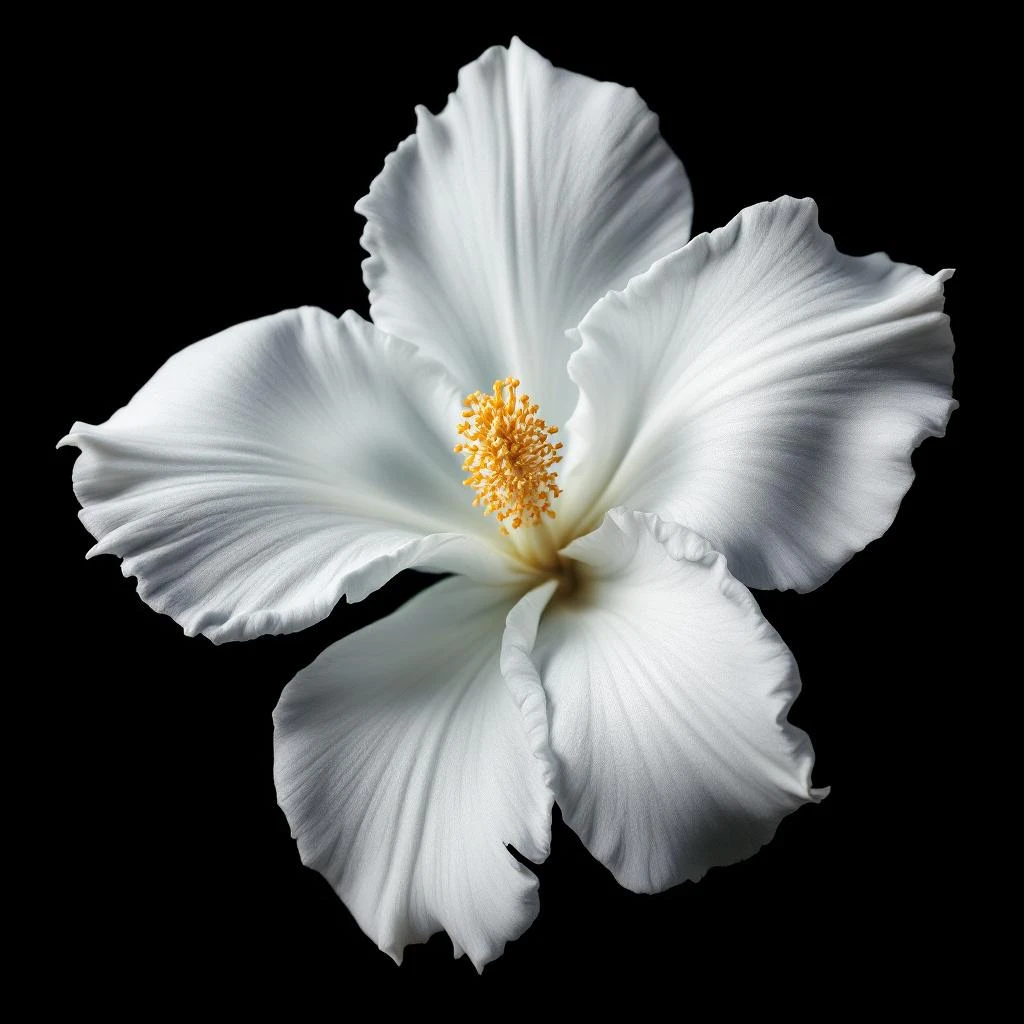
Strawberry candy pairs well with complementary fruits like raspberry, cherry, and coconut. Floral partners including jasmine and violet add complexity, while warm bases of vanilla, musk, and sandalwood extend longevity. Bergamot and pink pepper create contemporary, genderless interpretations.
How is Strawberry candy extracted?
Strawberry candy cannot be extracted directly from the fruit. Some aroma molecules are upcycled from discarded processing water in juice or baby food manufacturing, where volatile compounds would otherwise be lost. Perfumers then blend these with synthetic molecules including furaneol (present at up to 55 mg/kg in ripe fruit) and gamma-decalactone to complete the accord.
Is Strawberry candy used in men's or women's fragrances?
Strawberry candy has traditionally been associated with feminine fragrances but is increasingly featured in genderless and unisex compositions. Perfumers like David Moltz of DS&DURGA note that cultural associations with childhood toys have limited strawberry's broader appeal. Modern perfumers counter this by pairing strawberry with sharp, unexpected notes like pink pepper and vetiver.