Character
The Story of Storax Resin
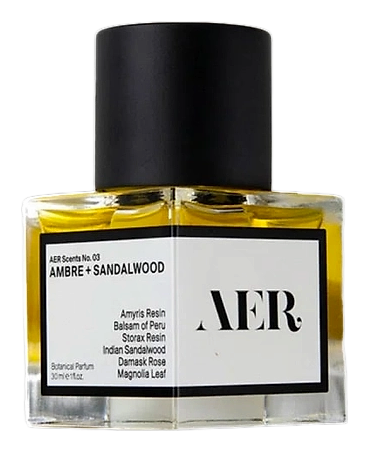
Storax resin offers a warm, sweet‑balsamic aroma that anchors many classic blends, delivering depth with a whisper of vanilla and spice. Its rich, resinous heart emerges from the bark of Styrax trees, bridging ancient rituals and modern perfumery.
Heritage
Storax resin entered recorded history in the 14th century, when Arab traders described it as the “frankincense of Java.” Byzantine texts list storax among the incense ingredients sent from the eastern Mediterranean to imperial courts. During the Ottoman era, Turkish forests supplied most of Europe’s storax, and merchants shipped the hardened resin across the Mediterranean on galleys. In medieval England, apothecaries blended storax with other balsams to create pomanders that masked disease odors. The resin also appeared in early pharmaceutical compendia, where it served as a soothing expectorant and wound antiseptic. By the 19th century, colonial plantations in Burma and Sri Lanka expanded production, and chemists isolated vanillin and cinnamic acid from the material, paving the way for its use in modern perfumery. Today, storax remains a bridge between ancient ritual incense and contemporary fragrance design, valued for its warm, sweet‑balsamic character.
At a Glance
1
Feature this note
Bangladesh
Primary source region
Ingredient Details
Solvent extraction (ethanol)
Bark exudate (raw resin)
Did You Know
"Storax resin was once a prized export from Ottoman Turkey, and its trade routes linked the Mediterranean to the Silk Road, making it a key ingredient in medieval incense blends."