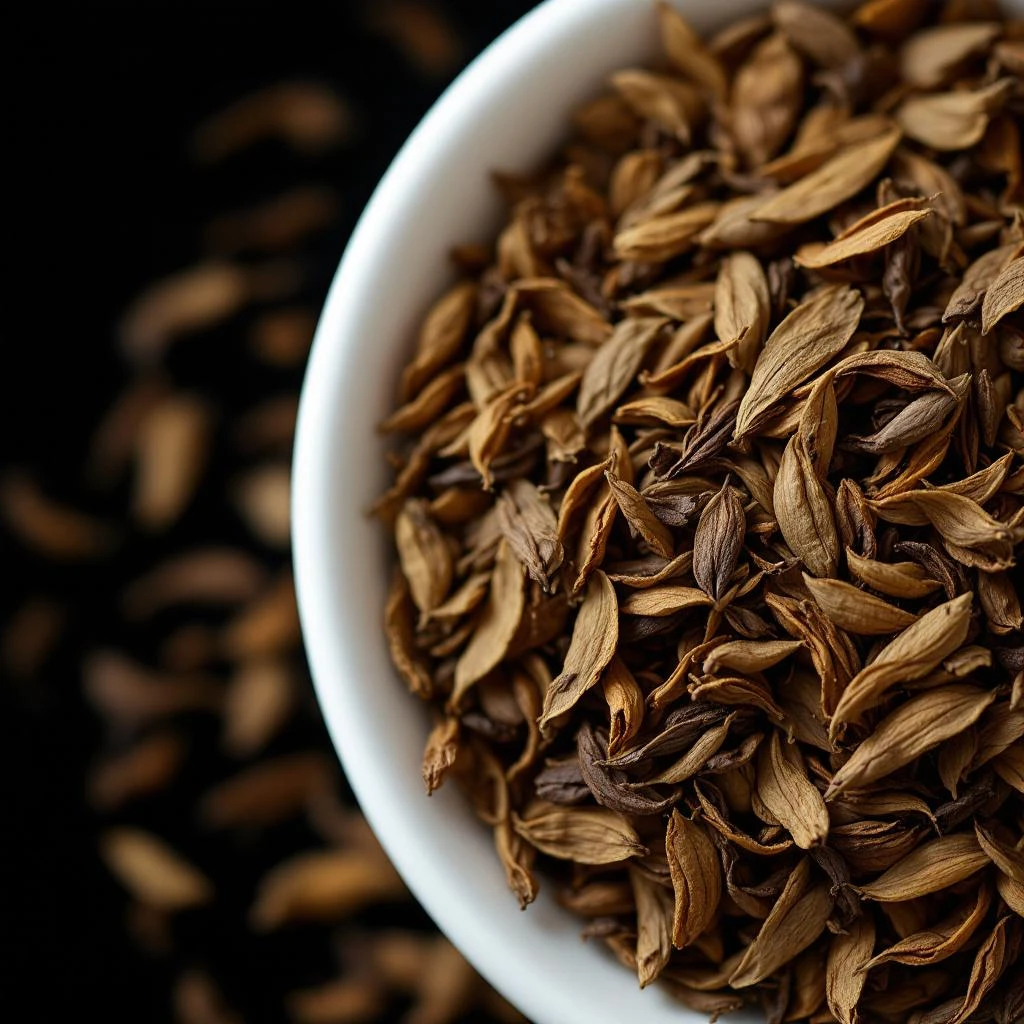
Stems
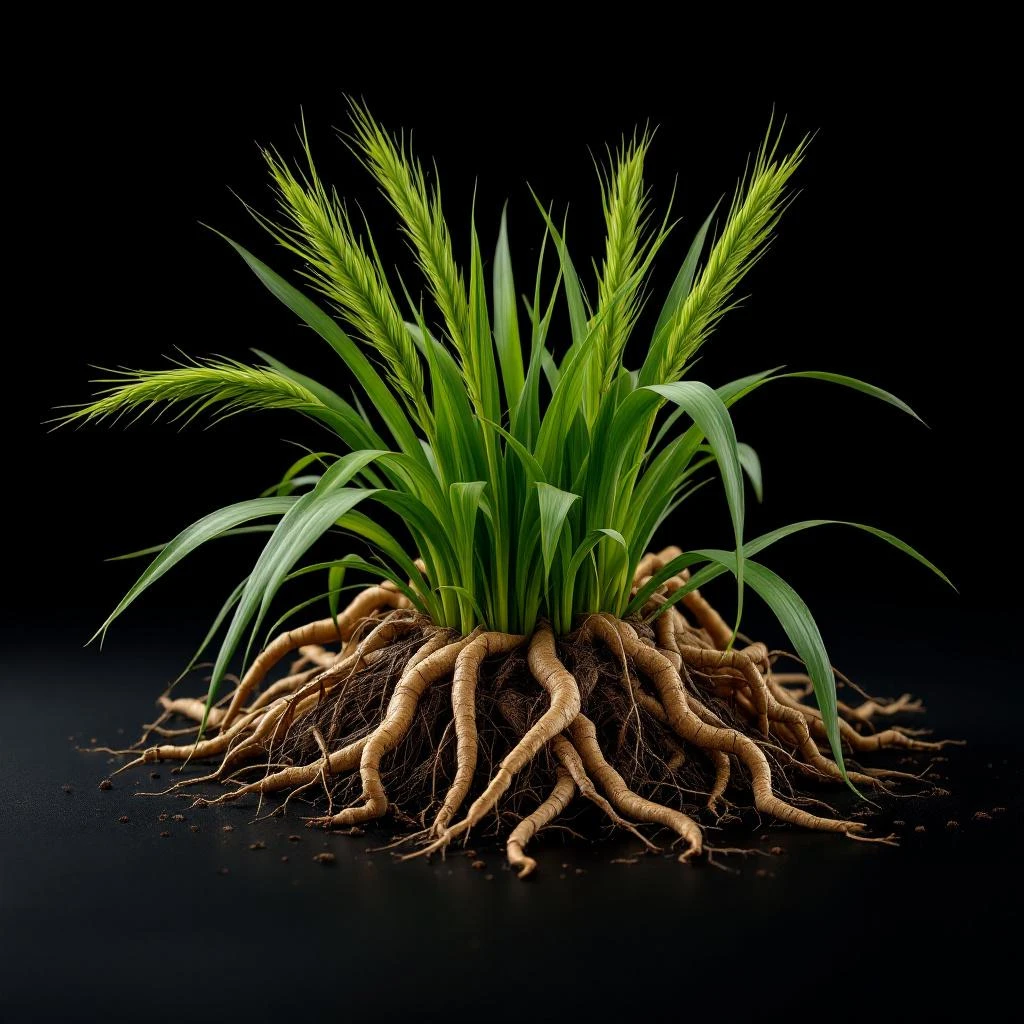
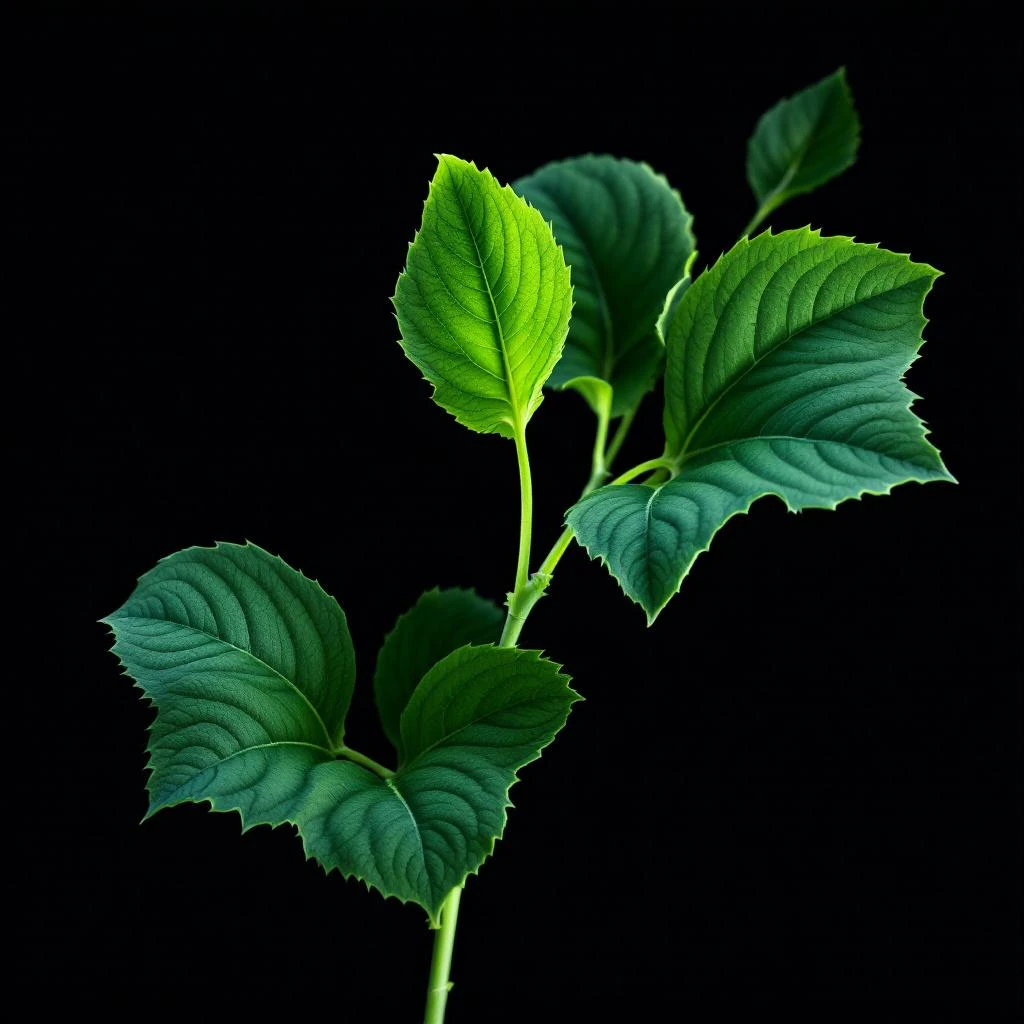
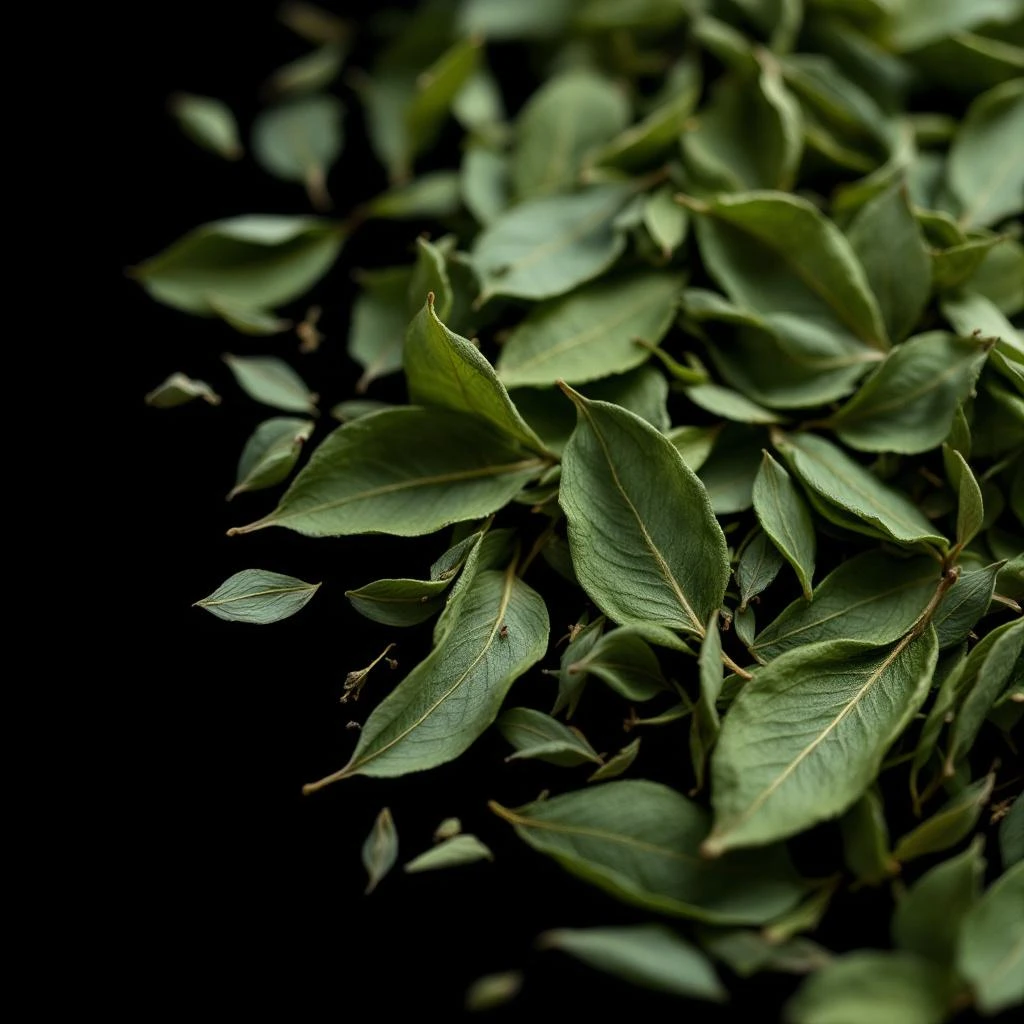
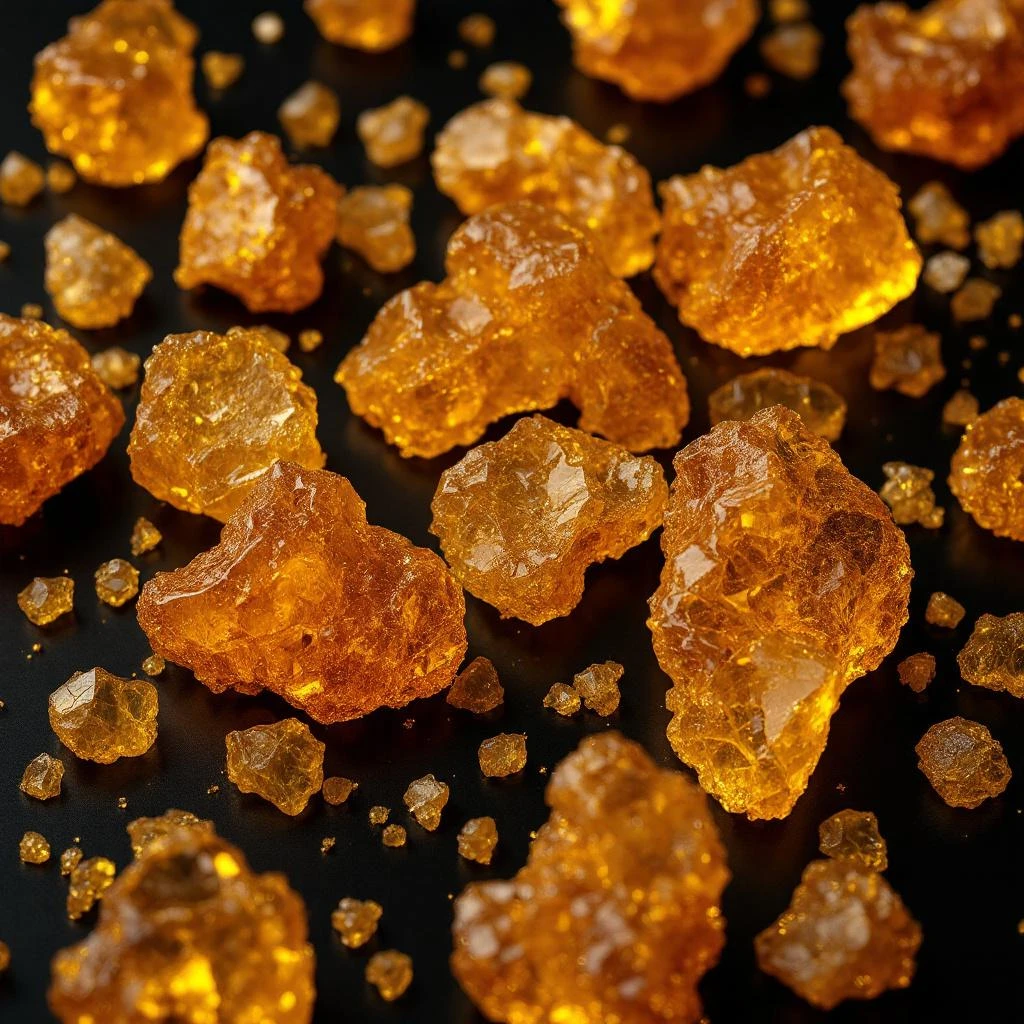
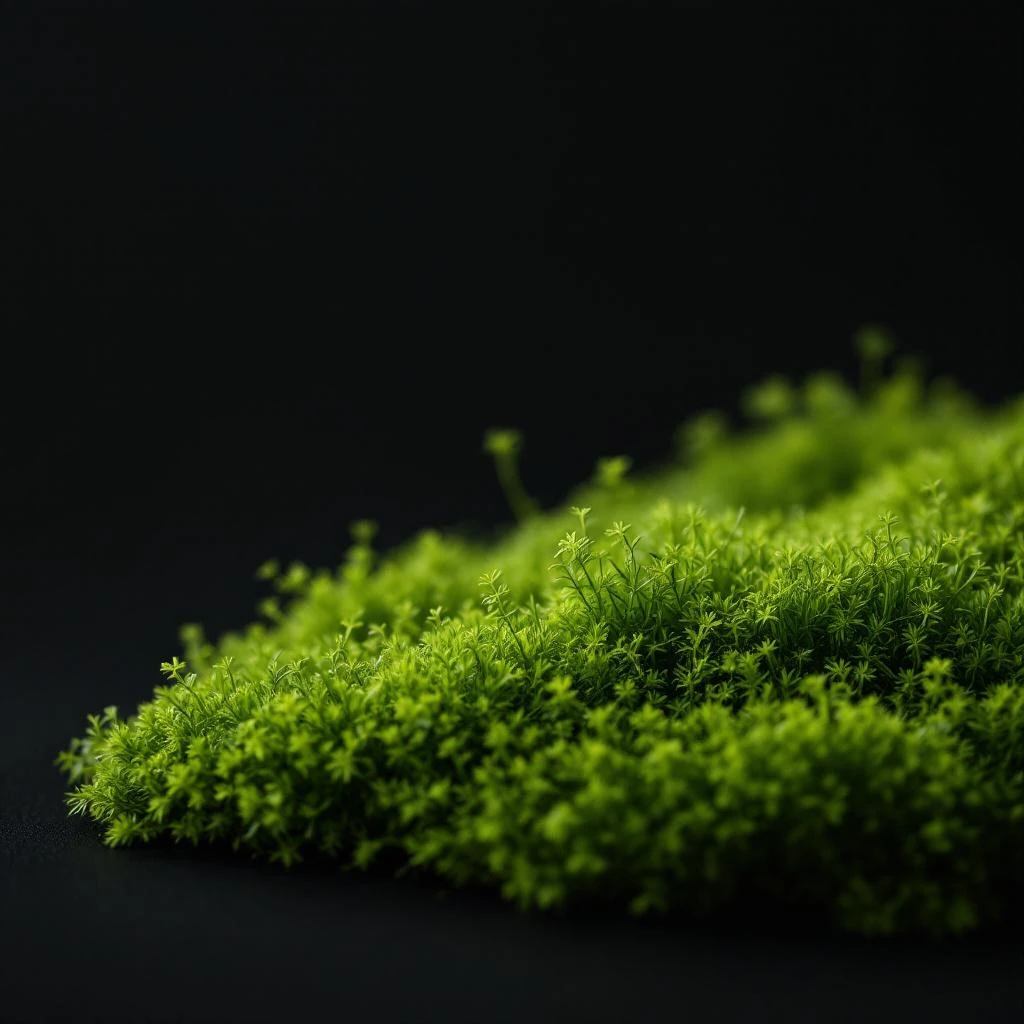
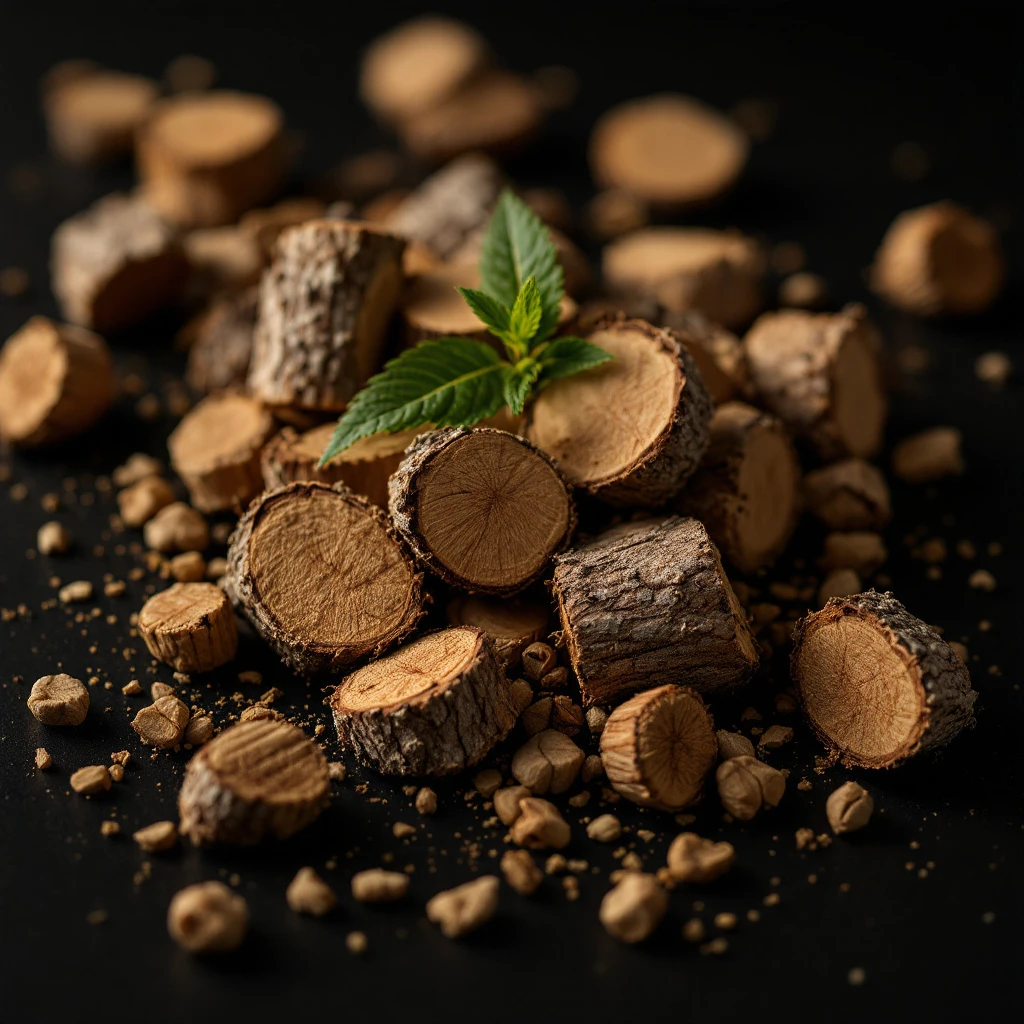
Stems capture the green vigor of a plant, offering fresh, herbaceous tones that anchor a fragrance. Their subtle bitterness and woody nuance add depth, bridging top citrus bursts with heart florals and base resins.
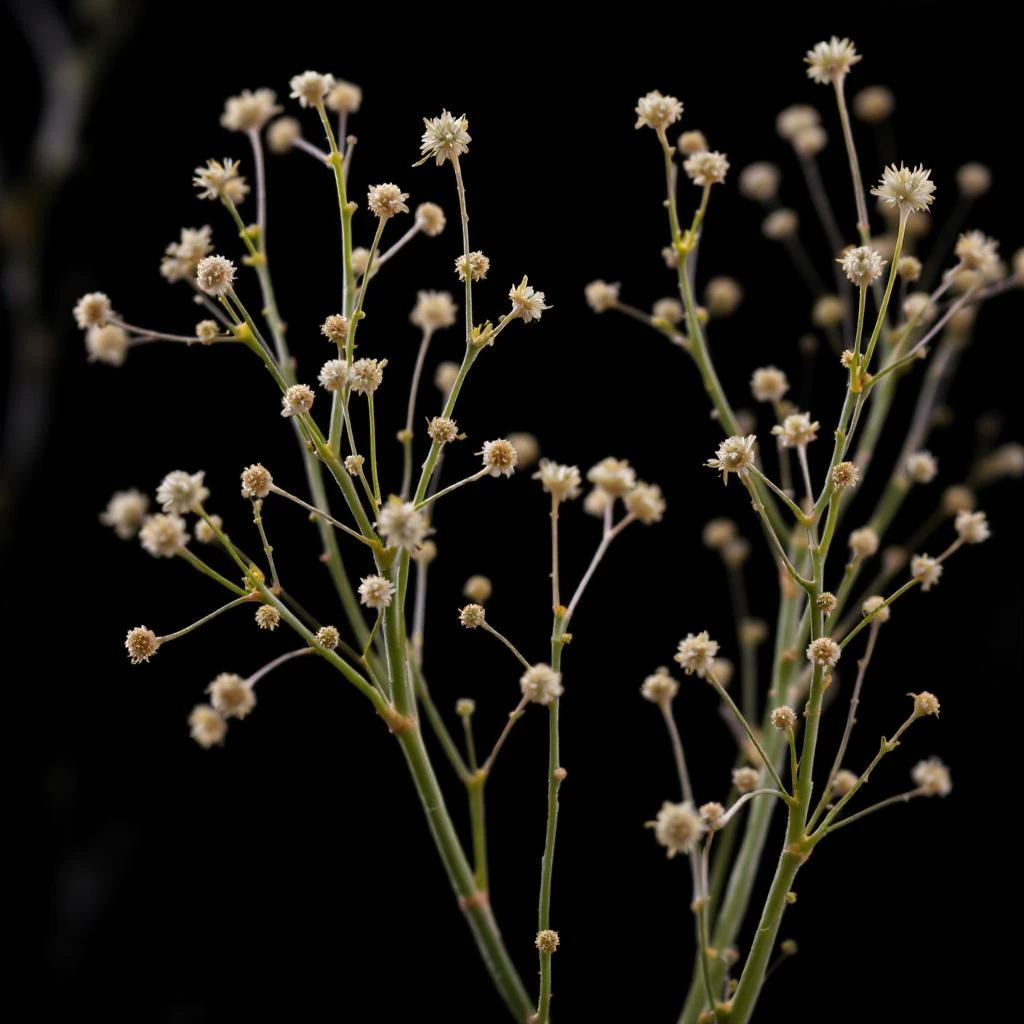
Character
How it smells
Green vigor, rooted in scent.
Rose stem oil, extracted from the woody stalks, contains up to 30 % of the same aromatic compounds as the petals, yet it delivers a greener, more grounded character that perfumers prize for contrast.




Origin
France
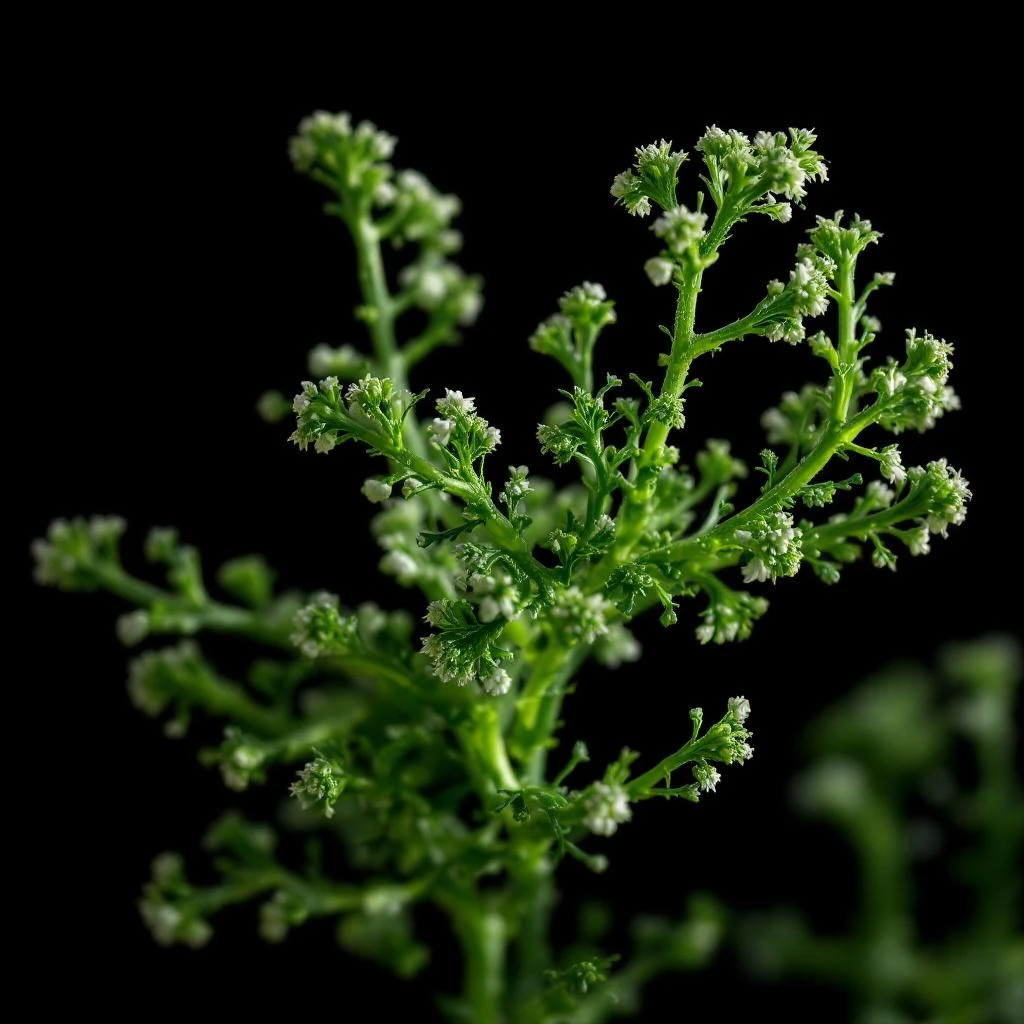
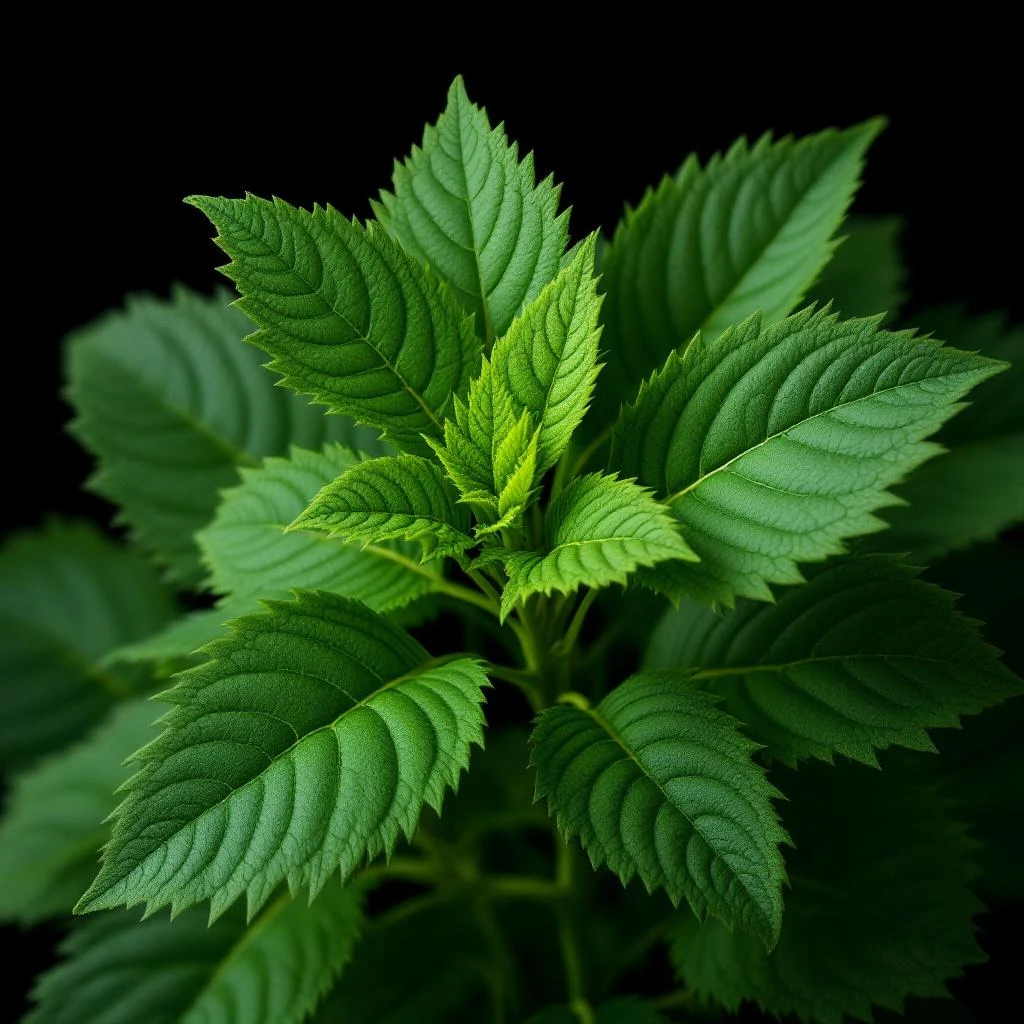
Stems have appeared in perfume recipes since antiquity, when Egyptian artisans mixed crushed barley stems with frankincense to create incense for temple rites. In the 16th century, French apothecaries recorded stem infusions of lavender and rosemary, noting their ability to extend a fragrance's life on the skin.
The 19th‑century rise of industrial distillation brought stem oils into mainstream production; a 1854 French patent described steam‑distilled pine stem oil used to scent military uniforms. By the early 1900s, perfumers in Grasse began blending rose stem absolutes with petal extracts, a practice that added a greener edge to classic floral bouquets.
During the mid‑20th century, synthetic aromachemicals mimicked stem notes, yet natural stem extracts retained a loyal following for their authentic earthiness. Today, sustainable harvesting programs in the Himalayas protect wild rhododendron stems, ensuring that the raw material continues to inspire modern creators while supporting local ecosystems.
Wears it best
Fragrances featuring Stems


Brands
Brands known for Stems
Good to know
Questions, answered
The essentials on Stems in perfumery: how it smells, where it comes from, and how it behaves on skin.
What part of the plant does the term 'stems' refer to in perfumery?
Stems are the woody or herbaceous stalks that support leaves and flowers. They contain vascular tissue rich in aromatic compounds, and a 2021 study measured up to 0.8 % oil content in lavender stems.
How are stem essential oils typically extracted?
Steam distillation captures volatile oils from dried stems by passing steam through the material. In 2020, a French distillery reported a 12 % yield of pine stem oil using this method.
Do stem extracts differ from leaf extracts in scent profile?
Stem extracts emphasize green, woody, and slightly bitter notes, while leaf extracts lean toward fresh, herbaceous aromas. A comparative GC‑MS analysis in 2019 showed a 25 % higher concentration of sesquiterpenes in rosemary stems versus leaves.
Which classic fragrance prominently features stem notes?
Chanel No 5 incorporates rose stem absolute to add a green edge to its floral heart. The original 1921 formula lists rose stem as a key component, and archival records confirm its inclusion.
Are stem-derived ingredients considered sustainable?
Many stem harvests use by‑products of existing crop cycles, reducing waste. For example, the 2022 French agronomy report noted that 68 % of lavender stem oil came from stems left after flower picking.
Can stem aromas be reproduced synthetically?
Synthetic aromachemicals can mimic key stem constituents such as pinene and linalool. In 2018, a laboratory produced a lab‑made pine stem accord that matched natural oil within a 5 % variance on chromatographic analysis.
Do stems contribute to a perfume's longevity on skin?
Stem oils contain medium‑weight sesquiterpenes that evaporate slower than top‑note citruses, extending scent life by up to 30 minutes. A 2021 blind test measured a 22‑minute increase in dry‑down time for a blend with cedar stem oil.
How should stem-based ingredients be stored to preserve quality?
Store stem oils in dark amber bottles at 12–15 °C, away from heat and light. The International Fragrance Association recommends a maximum storage period of 24 months, based on oxidation studies from 2019.