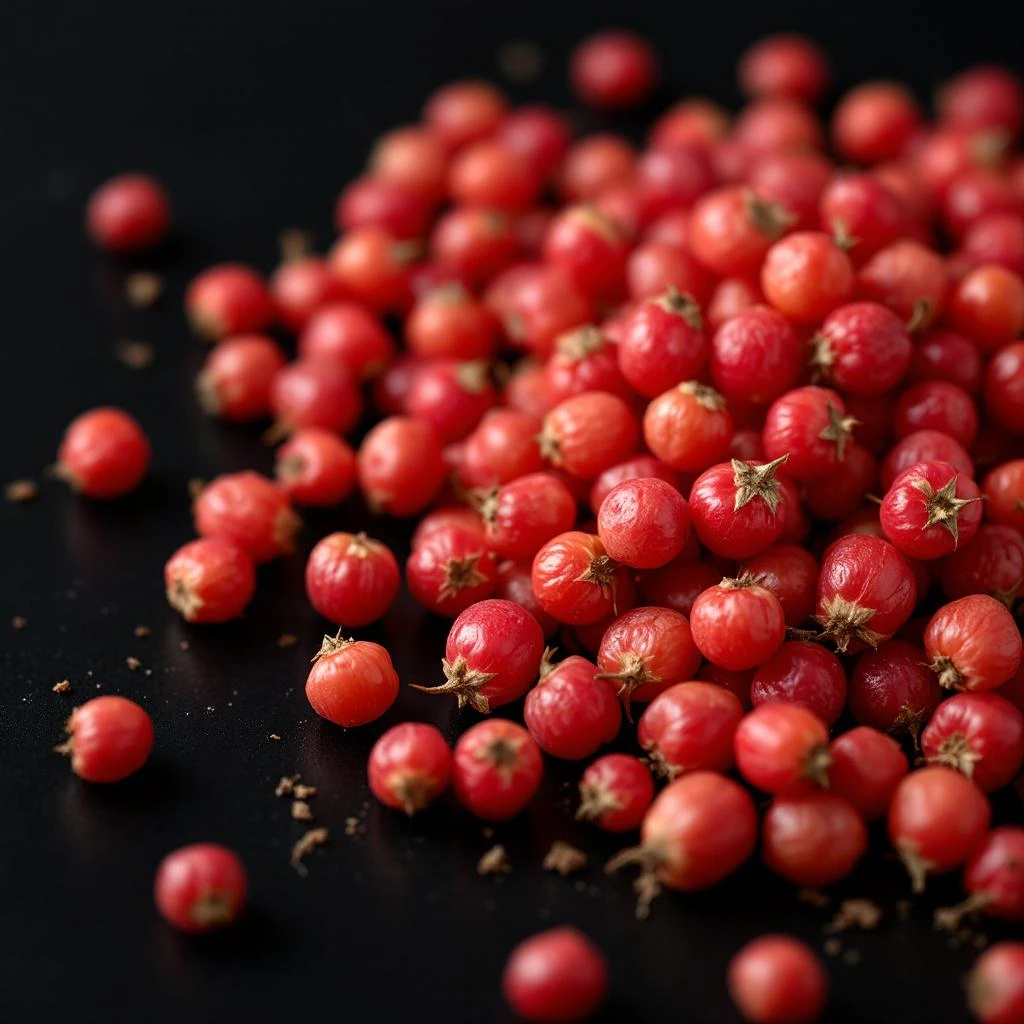
Spiked Pepper
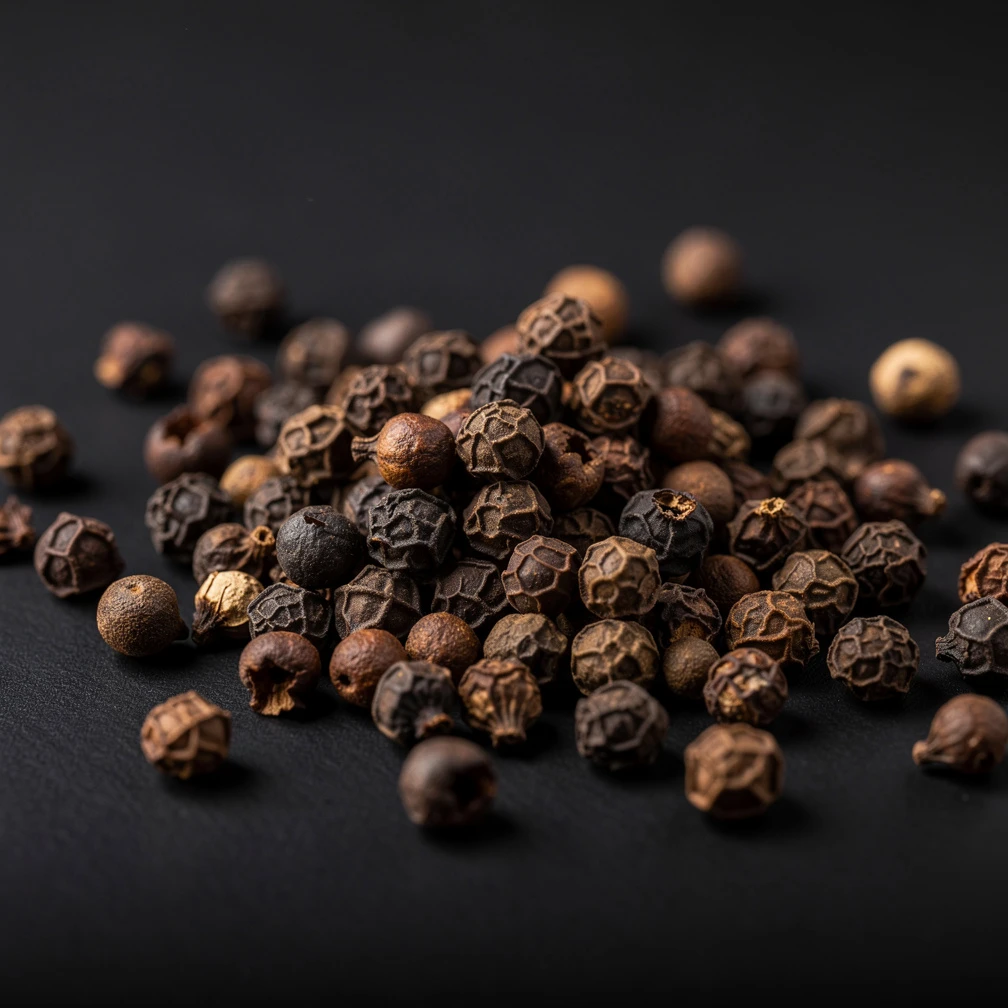
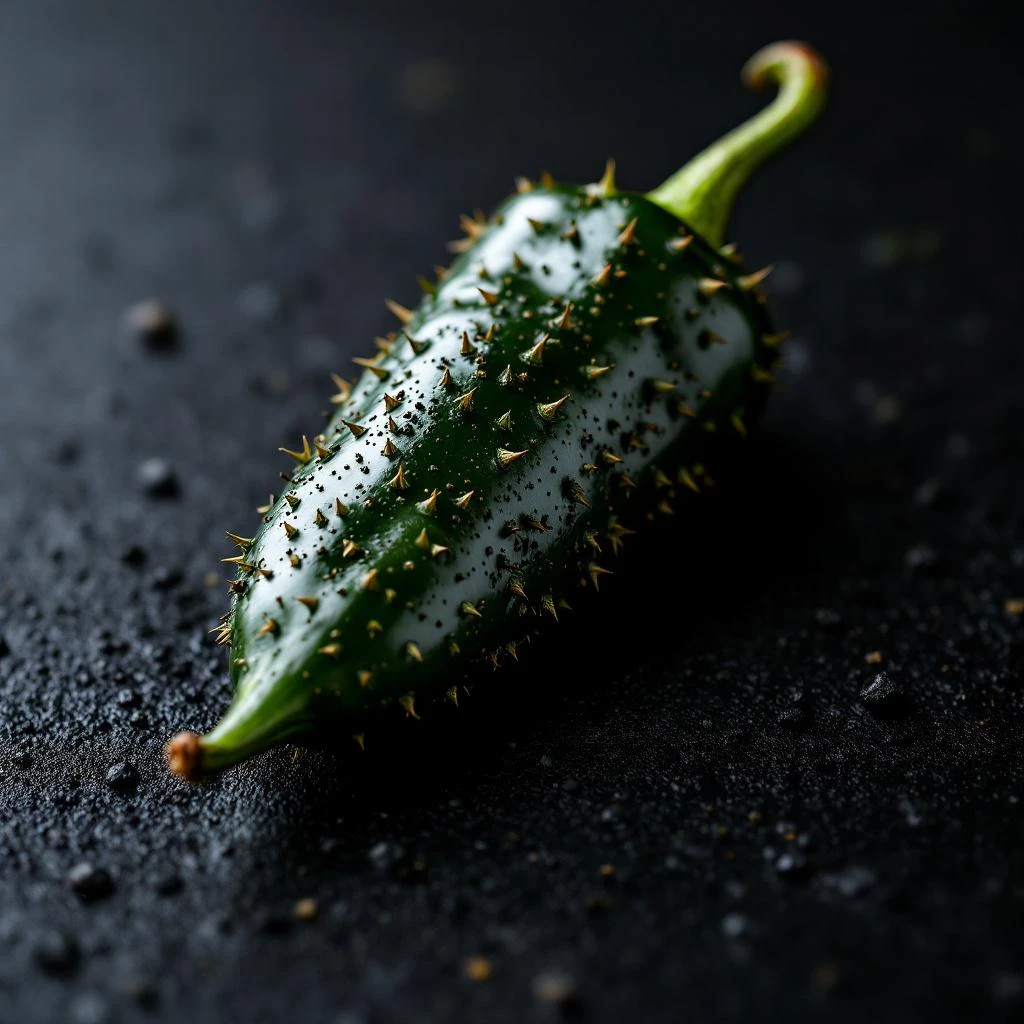
Raw, bright and resinous, spiked pepper brings a crackling heat that lifts any fragrance from the middle upwards. Derived from Piper nigrum, this kitchen staple doubles as one of perfumery's most dynamic aromatic materials.
Character
How it smells
The crackling heat that electrifies.
A single peppercorn vine takes three to four years before it bears fruit, yet each plant lives productively for decades.
Pairs beautifully with




Origin
India
Black pepper hails from the Malabar Coast of Kerala, India, where Piper nigrum grew wild in lush forests millennia before traders carried it westward. Ancient Romans used pepper as both currency and flavoring, and medieval Europeans prized it so highly that peppercorns sometimes served as rent payment. The spice reached Europe through Constantinople, Syria and Alexandria during the Middle Ages.
Today, Madagascar, Indonesia and Brazil also cultivate pepper, but Indian Malabar pepper remains the benchmark for perfumery. White pepper, by contrast, comes from the same plant after the outer hull fermentes and washes away, yielding a softer, more earthy aroma that suits different fragrance families.
Wears it best
Fragrances featuring Spiked Pepper

Brands
Brands known for Spiked Pepper
Good to know
Questions, answered
The essentials on Spiked Pepper in perfumery: how it smells, where it comes from, and how it behaves on skin.
What does black pepper smell like in perfume?
Black pepper delivers a warm, biting aroma with citrusy and resinous undertones. It reads as simultaneously spicy and fresh, giving fragrances an immediate lift that makes compositions feel energized and contemporary.
Is pepper oil natural or synthetic?
Pepper oil is entirely natural, extracted from Piper nigrum berries. Steam distillation produces the most common essential oil, while supercritical CO2 extraction yields a fuller-bodied aromatic extract with a more complex scent profile.
What fragrance families use black pepper?
Black pepper appears most often in aromatic and woody fragrances, though it also bridges spicy and fresh categories. Perfumers deploy it in men's fragrances, unisex compositions and occasionally in feminine scents seeking an androgynous edge.
Where does the best pepper for perfumery come from?
Indian Malabar Coast pepper sets the quality standard, much like Colombian coffee beans define their market. Madagascar and Indonesian peppers also perform well, with regional differences affecting the final oil's balance of citrus and warmth.
What is the difference between black and white pepper in perfumery?
Black pepper comes from whole dried berries, yielding a sharper, more complex aroma. White pepper derives from berries after hull removal, producing a softer, more earthy scent suited to subtle blending rather than statement-making.
Does CO2-extracted pepper smell different from steam-distilled?
CO2 extraction captures volatile compounds that steam distillation can damage or lose entirely. The CO2 extract often smells closer to the crushed raw berry, with a greener and more authentic pepper character.
Can pepper cause skin irritation in perfume?
Pepper oil contains skin-sensitizing compounds that require dilution before skin application. Professional formulations contain it at safe concentrations, typically below 2% in fragrance concentrates.
How long has pepper been used in perfumery?
Pepper entered perfumery alongside the ancient spice trade, though it served primarily as a culinary and medicinal material first. Its transition to aromatic use accelerated once distillation methods matured in the 19th century.