Character
The Story of Spicy
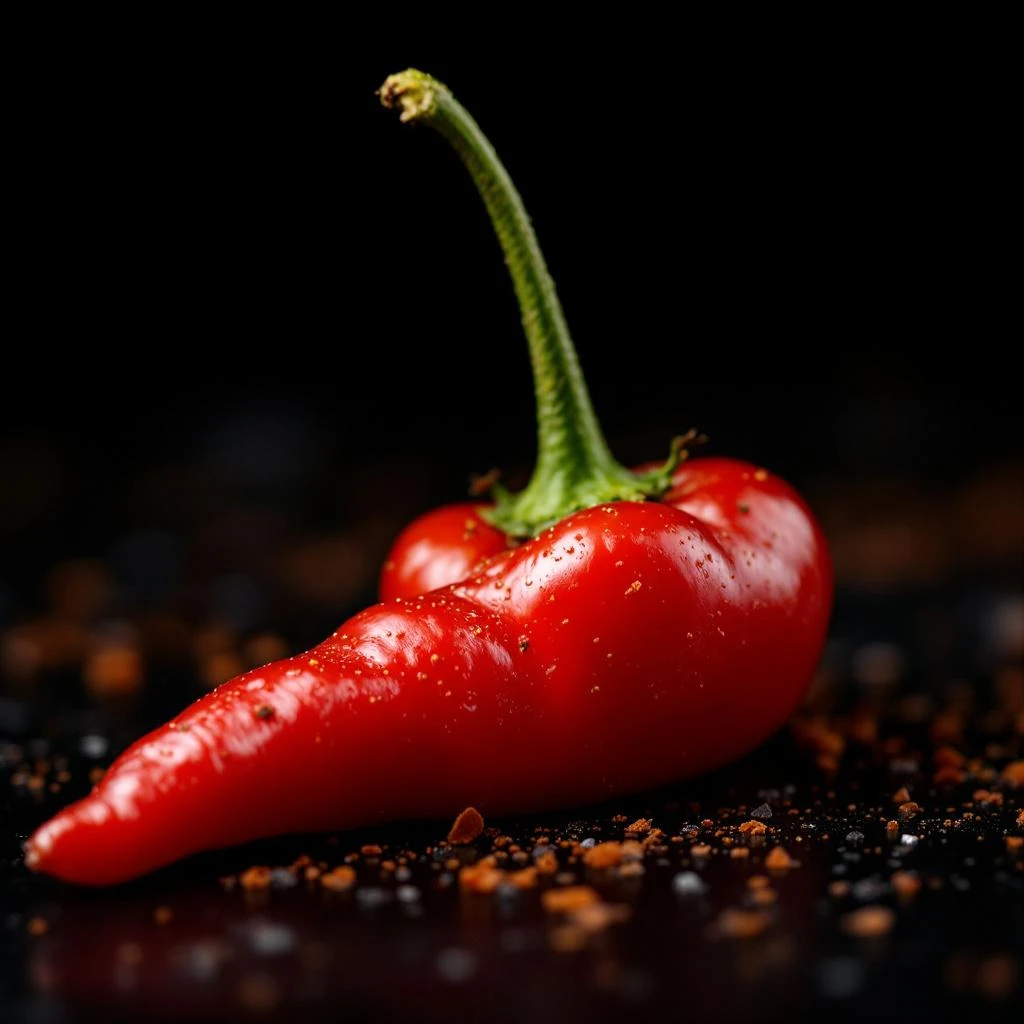
Spicy notes ignite a perfume with warm, piquant bursts that echo peppercorn, cinnamon bark, and ginger root, adding depth and intrigue to modern compositions.
Heritage
Spice aromas have guided human scent culture for millennia. Ancient Egyptians blended crushed cinnamon bark and frankincense into temple incense, believing the heat of spice lifted prayers. Arab alchemists refined distillation in the 9th century, extracting pepper oil that traveled along the Silk Road to European courts. By the 16th century, Portuguese traders introduced New World chilies, expanding the spicy palette beyond the Old World. The Industrial Revolution sparked the first synthetic spice molecules; in 1870, chemist Wilhelm Haarmann produced vanillin, followed by the 1885 synthesis of eugenol from clove buds. These breakthroughs freed perfumers from seasonal harvests and enabled the bold, layered compositions of the Art Deco era. Today, spice notes anchor modern fragrances, echoing the trade winds that once carried peppercorns from Kerala to Venice, and reminding us that heat and history intertwine in every bottle.
At a Glance
3
Feature this note
India
Primary source region
Ingredient Details
Steam distillation
Dried seed pods, bark strips, and rhizomes
Did You Know
"The compound piperine, responsible for black pepper’s bite, was first isolated in 1819 and still powers many contemporary fragrance accords."
Pyramid Presence