Speculoos
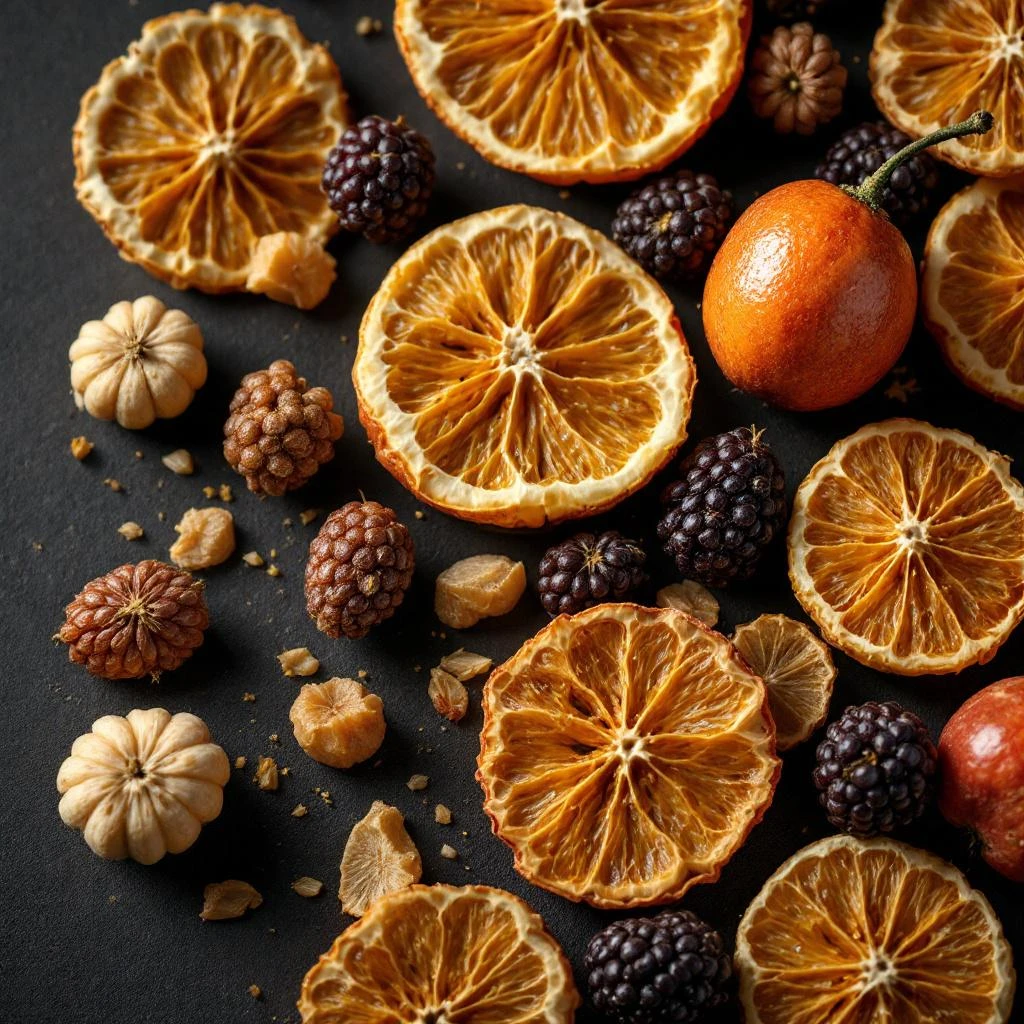
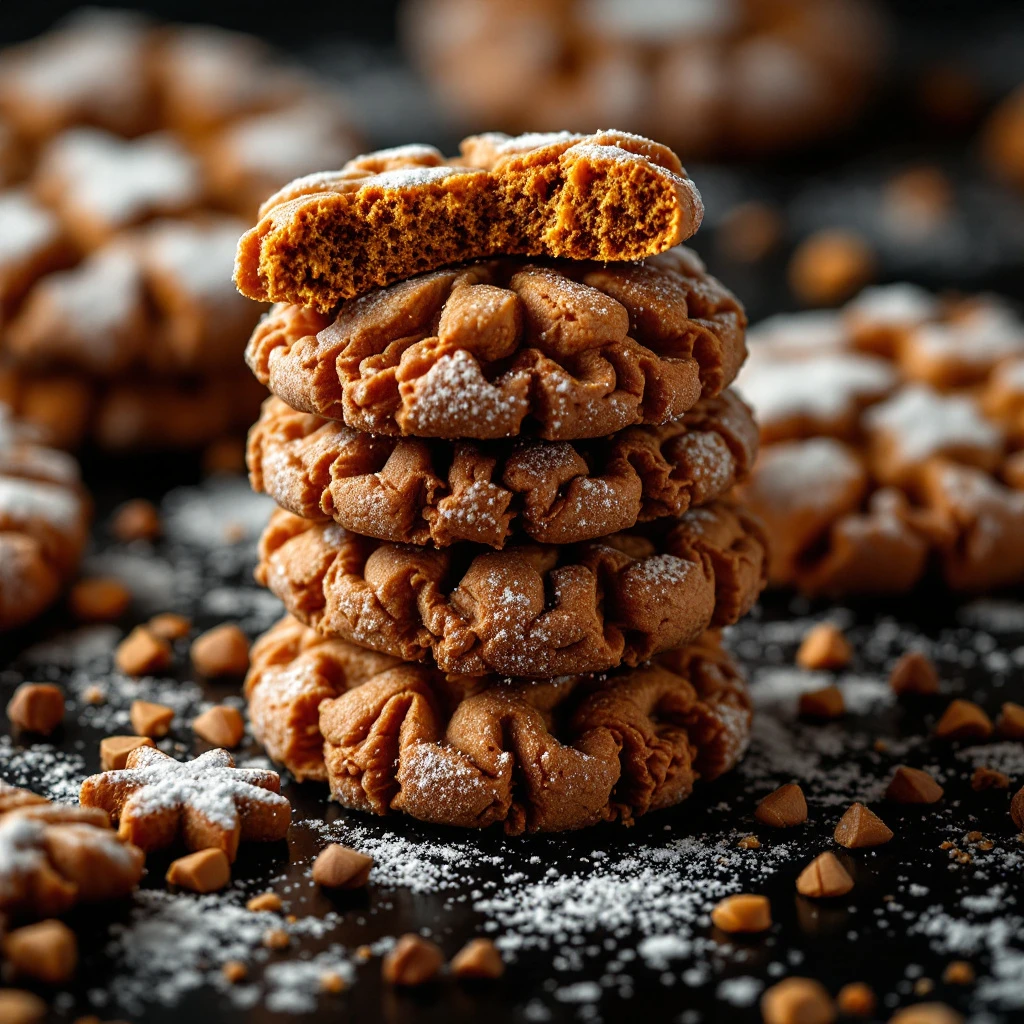
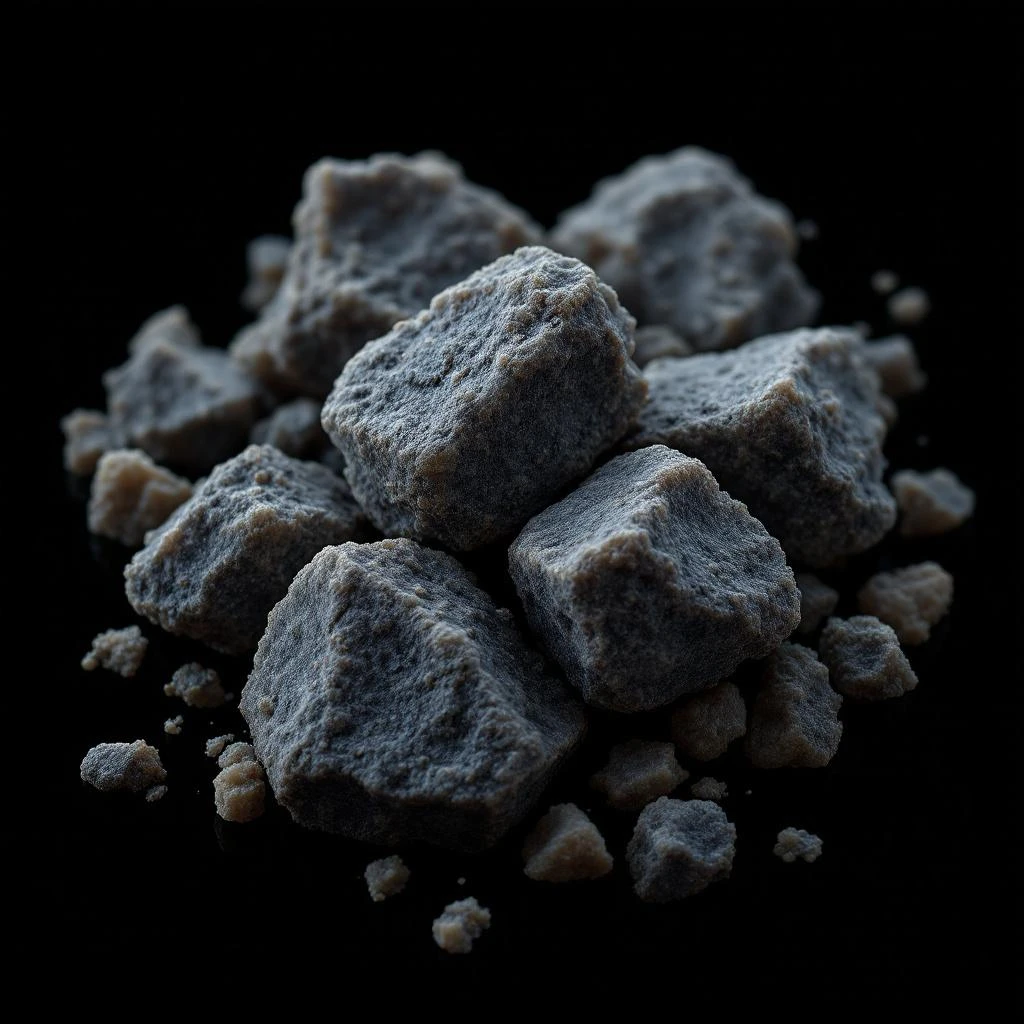
The edible icon of Belgian café culture, speculoos delivers warm cinnamon, brown sugar, and a spice blend rooted in centuries of Low Countries tradition—now distilled into aromatic form for perfumery.
Character
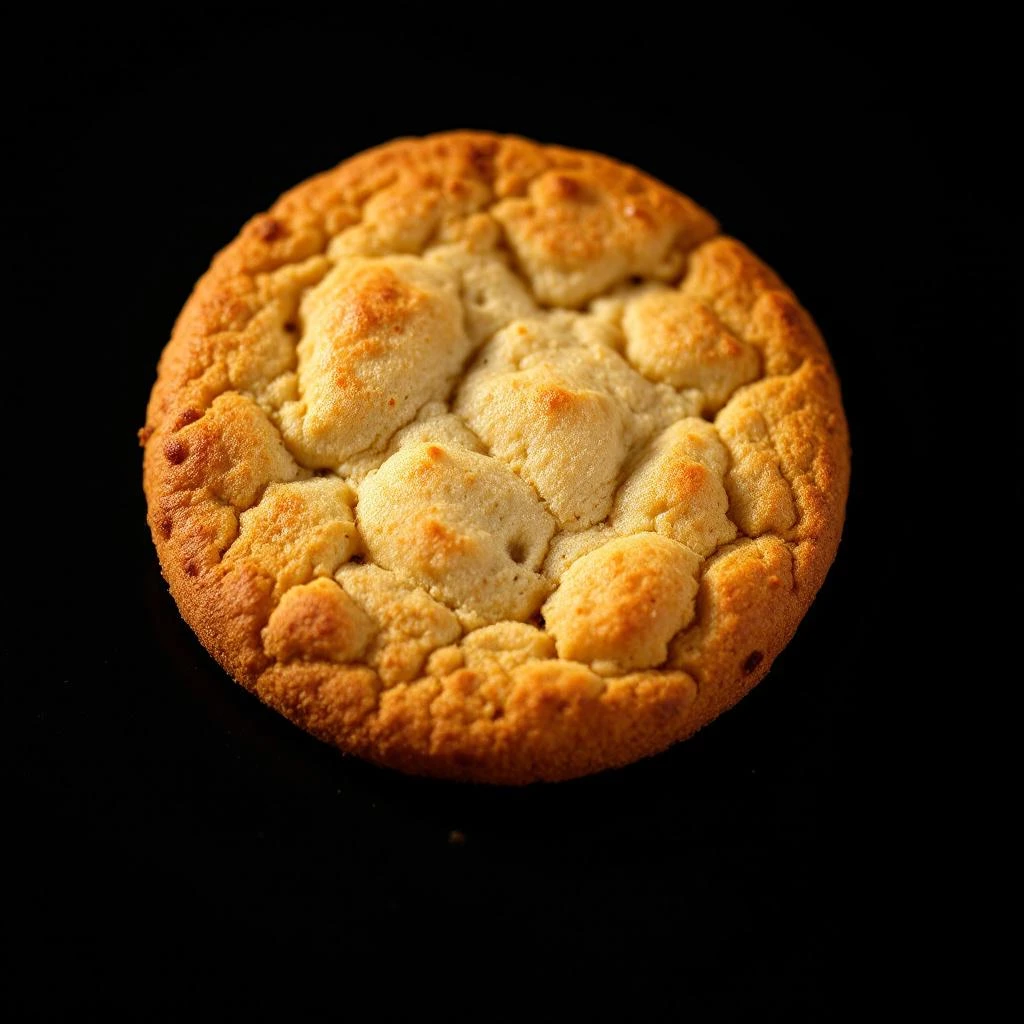
How it smells
Centuries of comfort, captured.
The name speculoos derives from 'speculatie'—the Dutch word for the Sinterklaas money traditionally given alongside the biscuits during December celebrations.

Origin
Belgium
Speculoos emerged in the Low Countries during the Middle Ages when spice trade routes brought cinnamon, nutmeg, and cloves to Belgian and Dutch markets. Originally baked for Sinterklaas celebrations on December 5th, the biscuits carried moulded images of Saint Nicholas and seasonal symbols. Maison Dandoy, founded in Brussels in 1829, continues traditional production using wooden moulds and real butter, now making around 100 tonnes annually.
Industrialisation transformed consumption patterns—smaller, individually wrapped biscuits replaced family-sized originals, and these spiced cookies became the standard accompaniments at Belgian cafés. By the 21st century, speculoos had transcended its seasonal origins to become a year-round flavour beloved worldwide, eventually renamed 'Biscoff' by Lotus Bakeries for international markets.
Wears it best
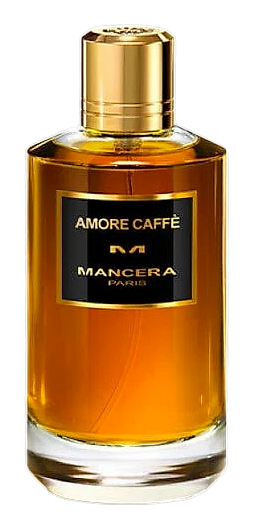
Fragrances featuring Speculoos
Brands
Brands known for Speculoos
Good to know
Questions, answered
The essentials on Speculoos in perfumery: how it smells, where it comes from, and how it behaves on skin.
What does speculoos smell like in fragrance?
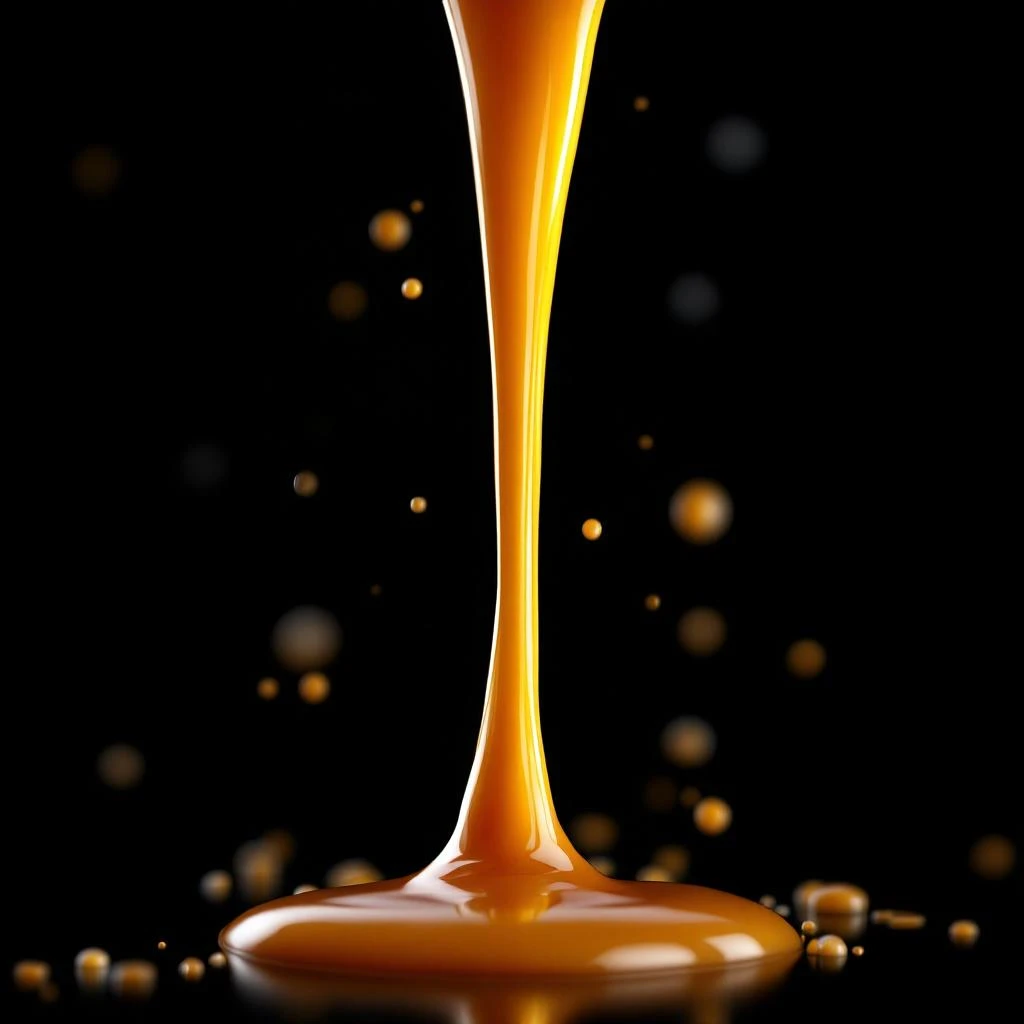
Speculoos fragrance notes evoke warm baked goods: dominant cinnamon spice, rich brown sugar caramel, and底层 notes of clove and nutmeg. The overall effect is edible, cozy, and dessert-like without being overly sweet.
Is speculoos a natural or synthetic ingredient in perfumery?
It is a combination approach. Natural spice absolutes from cinnamon, nutmeg, and clove provide authentic aromatic complexity, while key aroma chemicals recreate the brown sugar and caramel elements that natural sources cannot supply efficiently.
Which spices define authentic speculoos aroma?
Cinnamon provides the dominant character, typically followed by nutmeg and clove. Regional variations add ginger, cardamom, and black pepper, though proportions differ between manufacturers and traditional recipes.
What foods traditionally contain speculoos flavour?
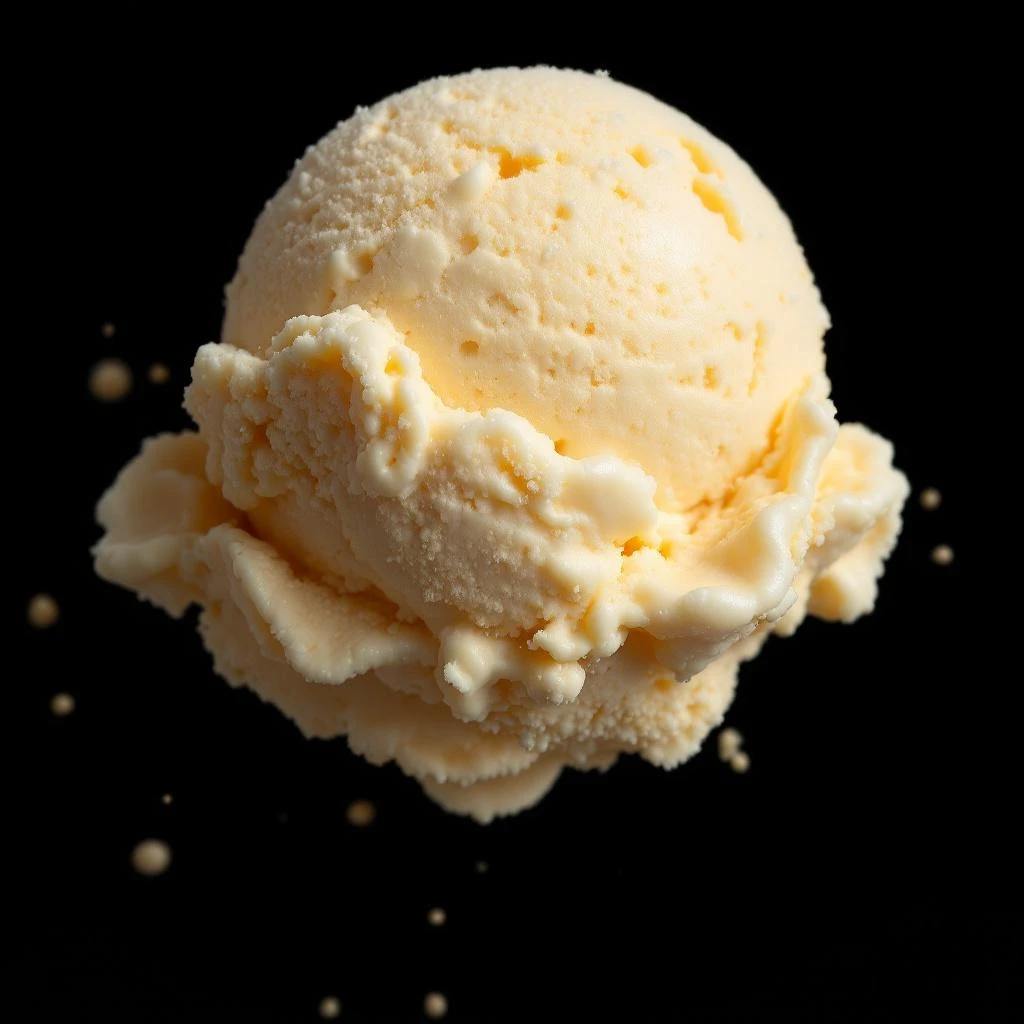
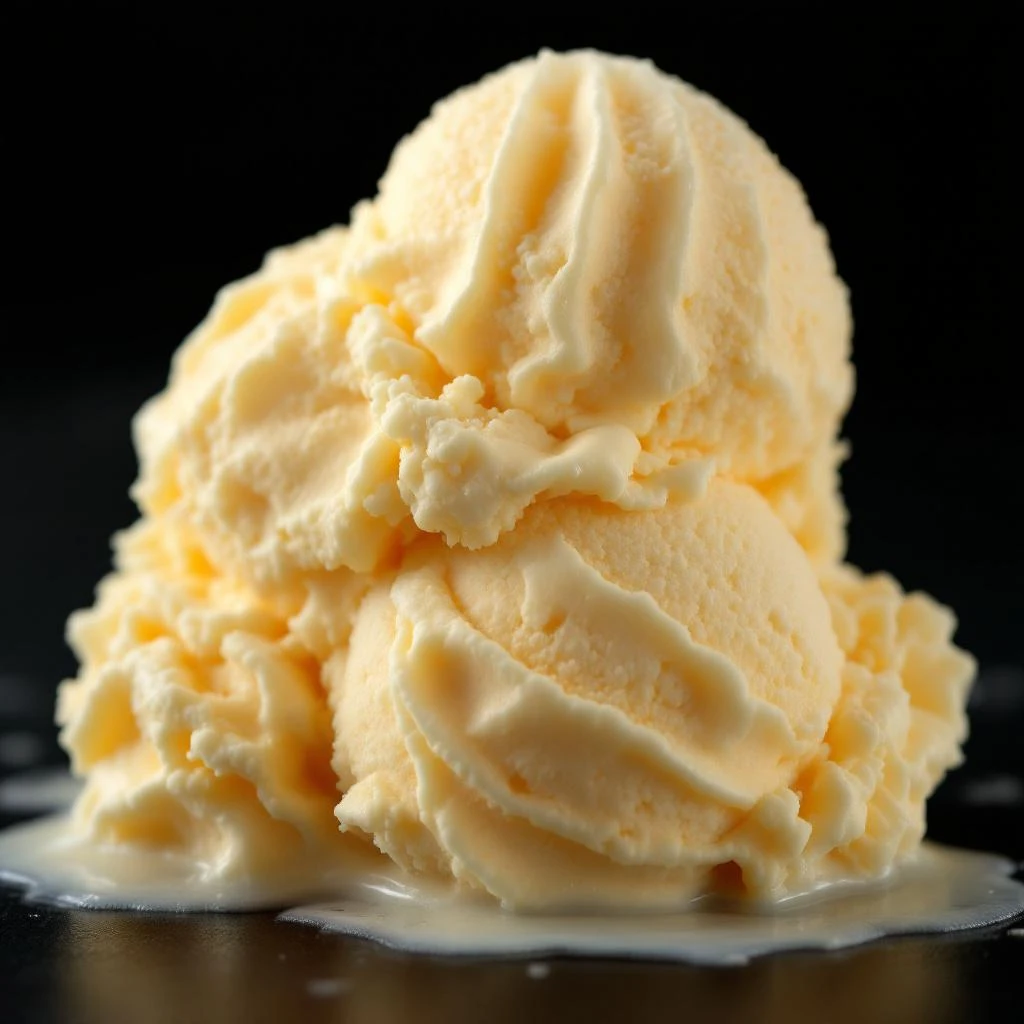
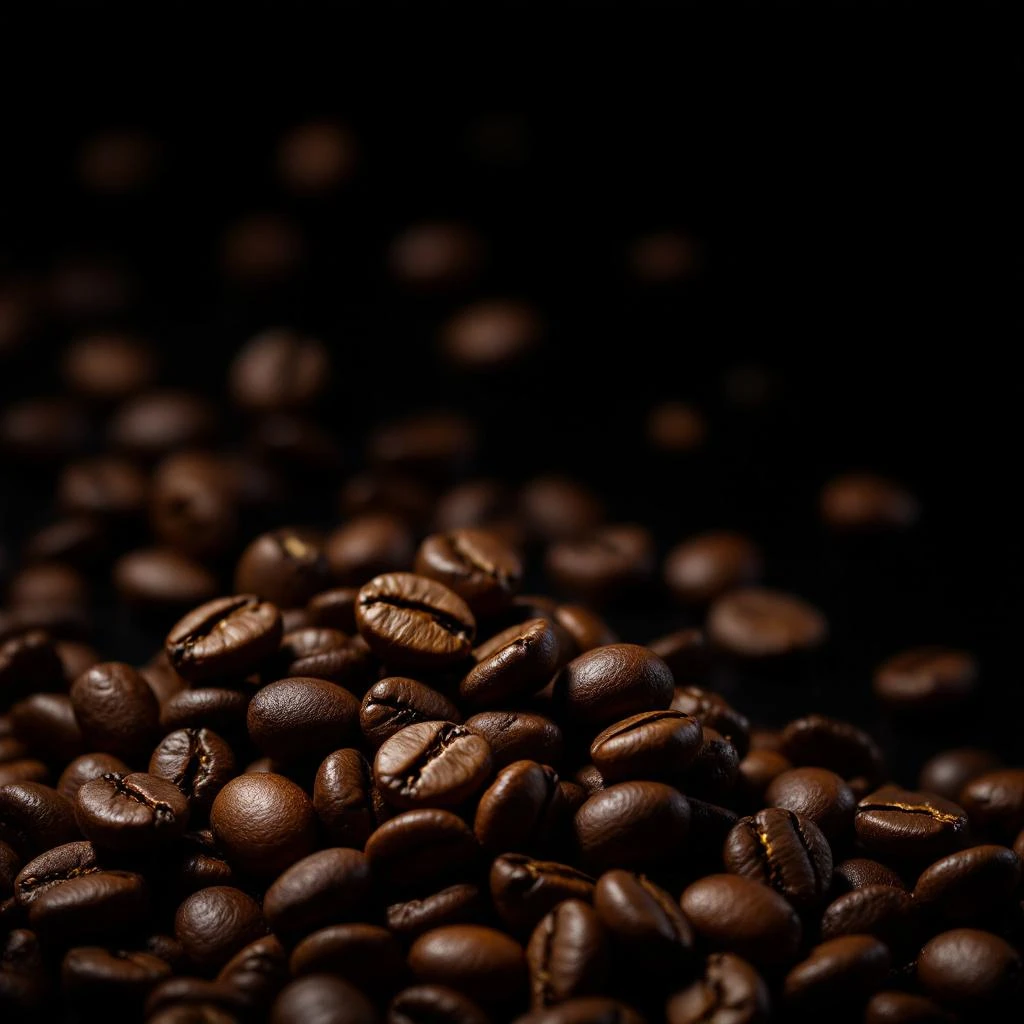
Beyond the classic biscuit, speculoos appears in spreads (such as the Biscoff spread), ice creams, yogurt, chocolate coatings, and latte syrups. It is particularly associated with Belgian café culture as a coffee accompaniment.
Can speculoos fragrance stand alone as a main note?
Yes, orienting fragrances build entirely around speculoos warmth with amber, vanilla, and woody base notes. More often it appears as a supporting warmth note that adds edible depth to oriental, gourmand, and amber chypré compositions.
How does speculoos differ from standard cinnamon fragrance?
Plain cinnamon focuses narrowly on warm spice. Speculoos delivers a complete olfactory picture of the biscuit: spice complexity layered with caramelized sugar, cookie texture, and a subtle almond undertone from coumarin.
What extraction techniques capture speculoos spices most faithfully?
Supercritical CO2 extraction produces spice aromas closest to the raw ingredient, preserving delicate nuance lost in steam distillation. Solvent extraction yields absolutes that maintain the full aromatic spectrum of the original spice.
What occasions suit speculoos-scented fragrances?
Speculoos works best for cooler seasons and evening wear. Its edible warmth makes it suitable for intimate settings, autumn and winter occasions, and anyone seeking comfort-focused scents with bakery-inspired character.