    Ingredient Profile

    sparkling young pine needles fragrance note

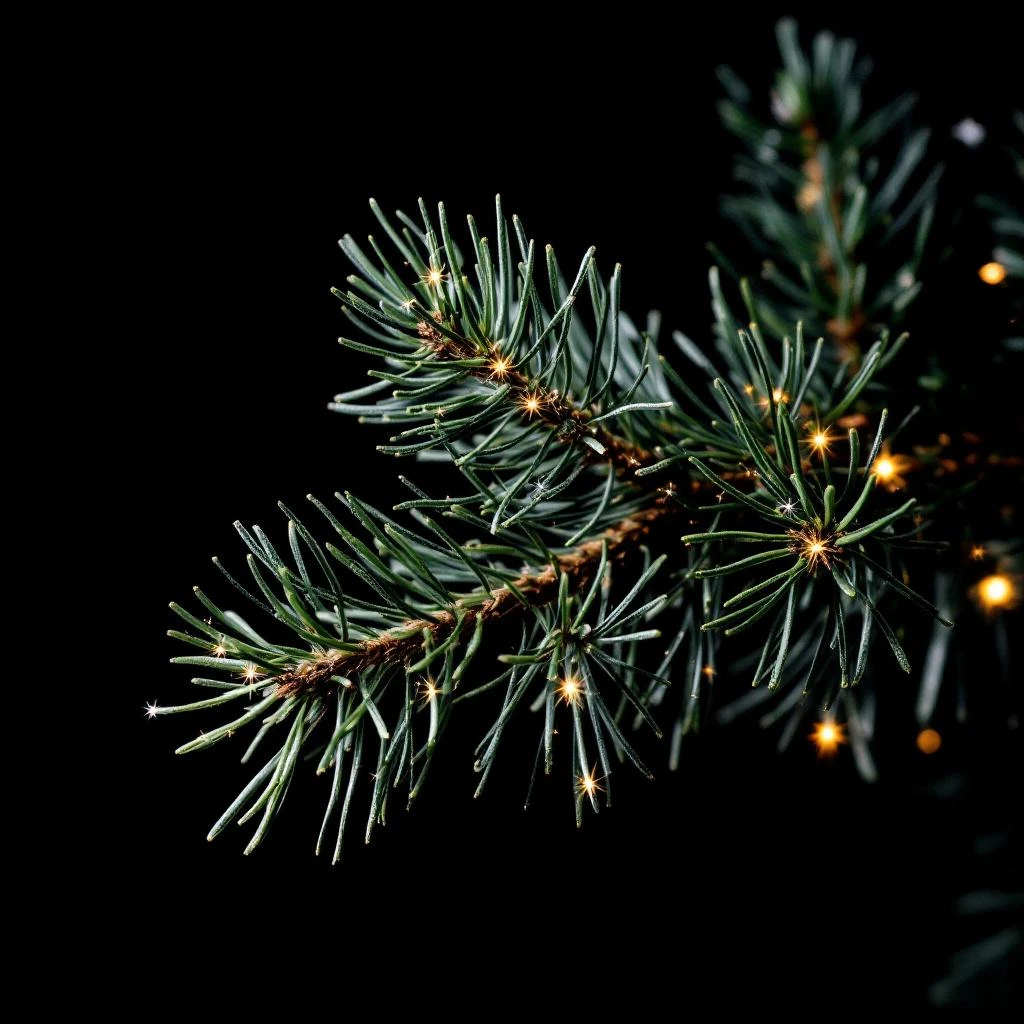
    Bright, resin‑rich aroma of freshly cut pine shoots, capturing the crisp vigor of early spring forests in a single note. Its sparkling green…More

    Sweden

    1

    Fragrances

    Fragrances featuring sparkling young pine needles

    Character

    The Story of sparkling young pine needles

    Bright, resin‑rich aroma of freshly cut pine shoots, capturing the crisp vigor of early spring forests in a single note. Its sparkling green edge lifts blends, while subtle woody undertones anchor the composition.

    Heritage

    Young pine needle oil has been part of human scent culture for centuries. Russian peasants distilled the green shoots in copper alembics as early as the 1800s, using the oil to flavor spirits and mask winter odors. During the First World War, military units carried small vials of pine needle oil to boost morale and clear the air in trenches. In the 1920s, French perfumers introduced the note into classic fougère compositions, pairing it with lavender and oakmoss to evoke forest breezes. The oil survived the rise of synthetic aromatics because its bright, clean profile could not be replicated easily. In the 1970s, a revival of natural ingredients saw boutique houses source pine needles from the Swedish boreal zone, where the long daylight hours enhance resin production. Today, the note appears in niche fragrances that celebrate outdoor freshness, and it remains a staple for creators seeking an authentic green accent.

    At a Glance

    Fragrances

    1

    Feature this note

    Origin

    Sweden

    Primary source region

    Ingredient Details

    Extraction

    Steam distillation

    Used Parts

    Young pine needles

    Did You Know

    "A single pine needle releases up to 0.02 µL of essential oil per hour, enough to scent a small room after just a handful are distilled."

    Production

    How sparkling young pine needles Is Made

    Sparkling young pine needles are harvested in early spring when the shoots are still tender. Distillers cut the needles into 2‑3 cm lengths and load them into a stainless steel still. Steam at 100 °C passes through the material for three hours, carrying volatile compounds into a condenser. The condensate separates into water and essential oil; the oil rises to the surface and is drawn off. This method preserves the bright, resinous character while minimizing oxidation. Yield averages 0.35 % to 0.45 % oil by weight of dry needles. After collection, the oil rests in dark glass for 48 hours to allow sediment to settle, then it is filtered through a 0.2 µm membrane. The final product is a clear, pale‑green liquid with a crisp, piney top note and a subtle woody base. Quality control measures include gas‑chromatography to verify the α‑pinene, β‑pinene, and limonene ratios, ensuring each batch matches the sensory profile expected by perfumers.

    Provenance

    Sweden

    Sweden60.1°N, 18.6°E

    About sparkling young pine needles