Character
The Story of Spanish cistus absolute
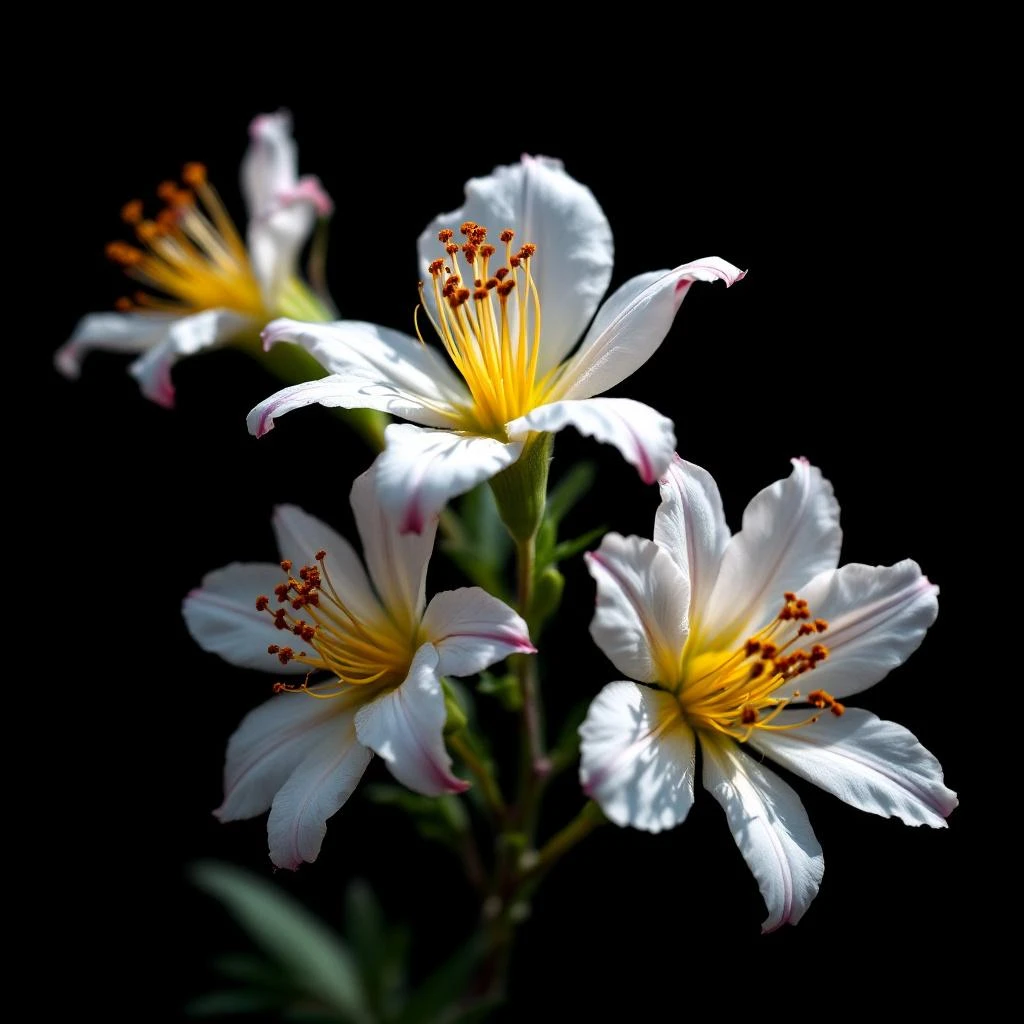
Spanish cistus absolute captures the sun‑baked resin of the Mediterranean shrub, delivering a warm, balsamic and subtly leathery scent that anchors modern perfumery.
Heritage
Spanish cistus, known to ancient civilizations as labdanum, first appears in Egyptian burial rites around 1500 BCE, where priests burned the resin to mask odors in tomb chambers. Greek texts describe it as “the perfume of the gods,” and the plant featured in offerings to Athena. By the height of the Roman Empire, cistus resin commanded high prices, and merchants recorded shipments from Hispania to Alexandria. Medieval alchemists prized it for its purported healing properties, mixing it into ointments for skin ailments. The Renaissance revived its use in courtly perfumery, where artisans blended it with amber and musk to create opulent scents for aristocracy. In the 20th century, chemists isolated the absolute, preserving the traditional aroma while enabling precise formulation. Today, the ingredient remains a cornerstone of amber accords, linking modern creators to a lineage that spans three millennia.
At a Glance
2
Feature this note
Spain
Primary source region
Ingredient Details
Solvent extraction
Resinous buds and stems
Did You Know
"The ancient Romans prized cistus resin so highly they taxed it as a luxury commodity, and some records show it fetched double the price of imported frankincense."