Character
The Story of Somalian Myrrh
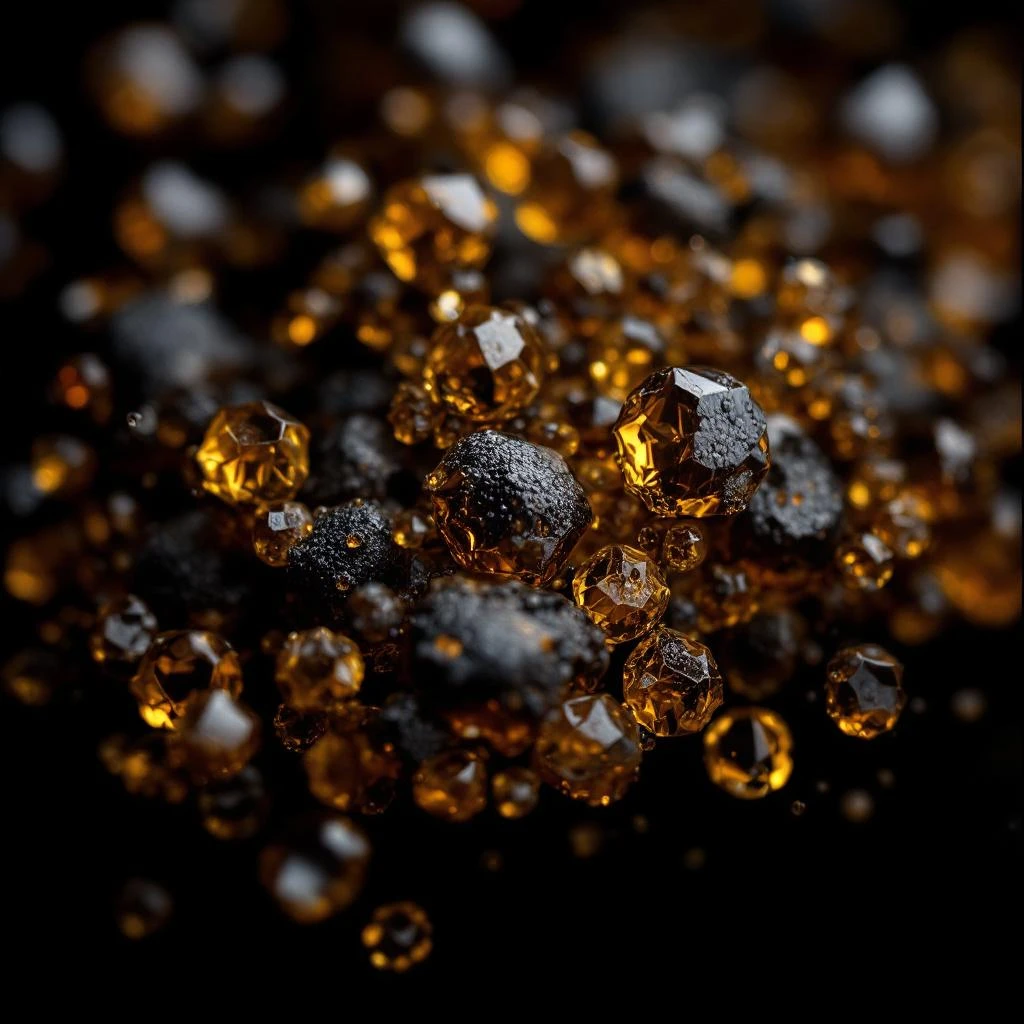
Somalian myrrh is a dark, bitter-balsamic resin from Commiphora myrrha trees in the Horn of Africa. Its warm, smoky depth has anchored sacred and sensual fragrances for four millennia.
Heritage
Myrrh has moved through human civilization for nearly four thousand years, appearing in trade records from ancient Mesopotamia. Egyptians used it extensively in cosmetics, funeral preparations, and temple incense, with pharaonic tombs yielding myrrh-laden unguents intact after millennia. The Hebrew Bible references myrrh in Song of Solomon and Genesis, while Greek physicians including Hippocrates documented its medicinal applications. Romans burned it during ceremonies and prized it as a luxury import. Perhaps most famously, myrrh appears as one of the Three Gifts of the Magi in the New Testament, alongside gold and frankincense. Somalian merchants served as the primary suppliers to these ancient markets, controlling distribution of what many considered the most sacred of resins. The ingredient maintained its prestige through the Islamic Golden Age, when Arabian perfumers developed extraction techniques still used today. Modern perfumery continues to rely on Somali myrrh for its distinctive bitter-balsamic warmth and unmatched fixative properties.
At a Glance
3
Feature this note
Somalia
Primary source region
Ingredient Details
Steam distillation
Dried resin tears
Did You Know
"The name myrrh comes from the Arabic word 'Murr,' meaning bitter, a direct reference to its sharp, astringent taste."
Pyramid Presence