    Ingredient Profile

    Soil fragrance note

    Soil brings the damp, mineral-rich scent of rain‑kissed earth to perfume, grounding compositions with a subtle, organic depth that recalls t…More

    France

    2

    Fragrances

    Fragrances featuring Soil

    Character

    The Story of Soil

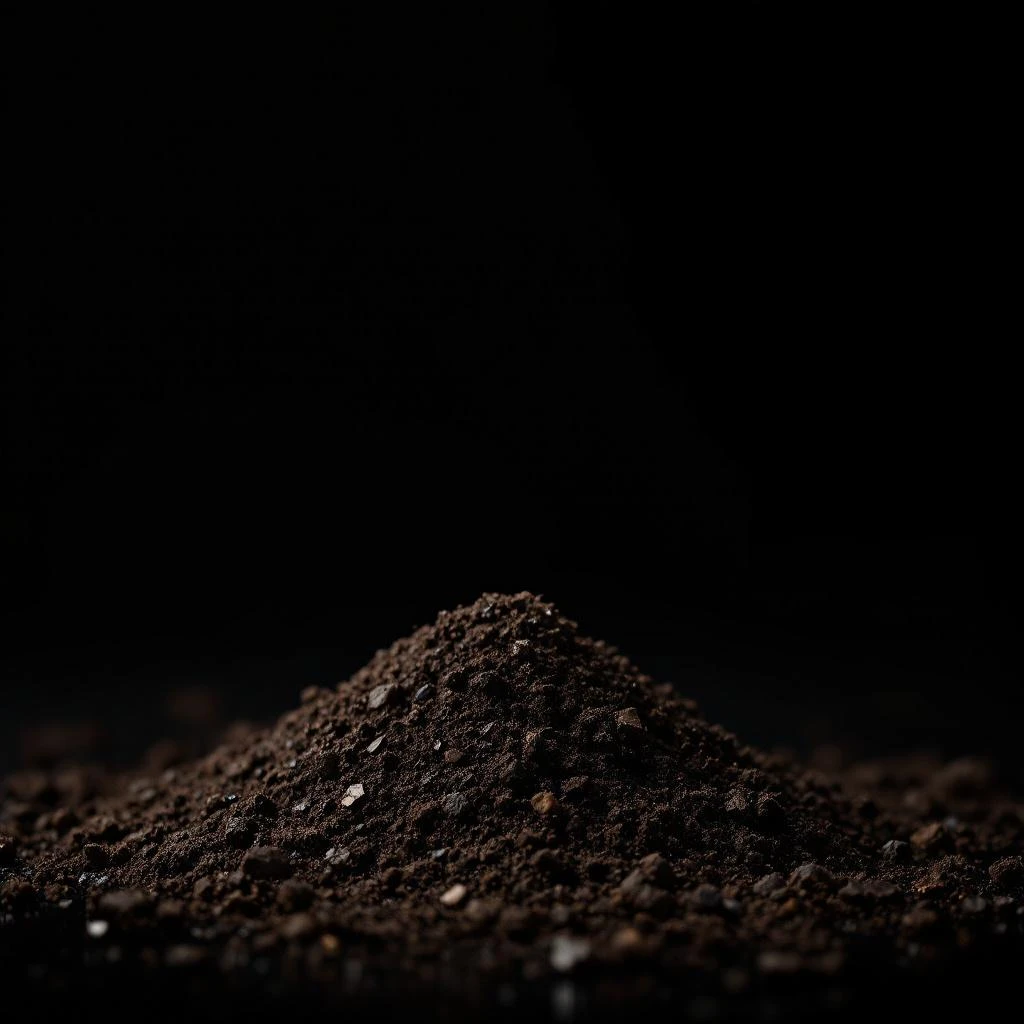
    Soil brings the damp, mineral-rich scent of rain‑kissed earth to perfume, grounding compositions with a subtle, organic depth that recalls the forest floor after a storm.

    Heritage

    Ancient cultures recognized the power of earth scents. Early Mesopotamian artisans mixed crushed clay with aromatic resins to create grounding balms for rituals. In the 19th century, French chemists documented the distinct smell of rain‑soaked soil, naming it "petrichor" after studying the volatile oils released by wet ground. The discovery of geosmin in the 1930s opened a scientific path, allowing perfumers to isolate the note for the first time. By the 1970s, avant‑garde fragrance houses began incorporating synthetic soil accords into niche compositions, challenging the dominance of floral and citrus themes. Today, soil remains a signature element in modern perfumery, symbolizing a return to nature and a reminder of the planet’s living substrate.

    At a Glance

    Fragrances

    2

    Feature this note

    Origin

    France

    Primary source region

    Ingredient Details

    Extraction

    Solvent extraction

    Used Parts

    Dried topsoil

    Did You Know

    "The compound geosmin, responsible for the fresh smell after rain, was first isolated from soil bacteria in 1936 and later reproduced synthetically for perfumery."

    Production

    How Soil Is Made

    Perfume makers extract soil aroma by first collecting mineral-rich topsoil from forested regions. They dry the soil, then soak it in a neutral carrier oil for several weeks, allowing volatile compounds to dissolve. After maceration, they press the mixture and filter out solids. The resulting extract contains natural geosmin, 2‑methoxy‑3‑isobutylpyrazine, and other earthy volatiles. For larger batches, chemists synthesize geosmidic molecules in the lab, replicating the exact molecular structure identified by gas chromatography. They blend the synthetic isolate with the natural extract to achieve a consistent scent profile. The final material is a clear, amber‑tinged liquid that perfumers add in trace amounts to balance floral or woody accords.

    Provenance

    France

    France48.9°N, 2.4°E

    About Soil