Character
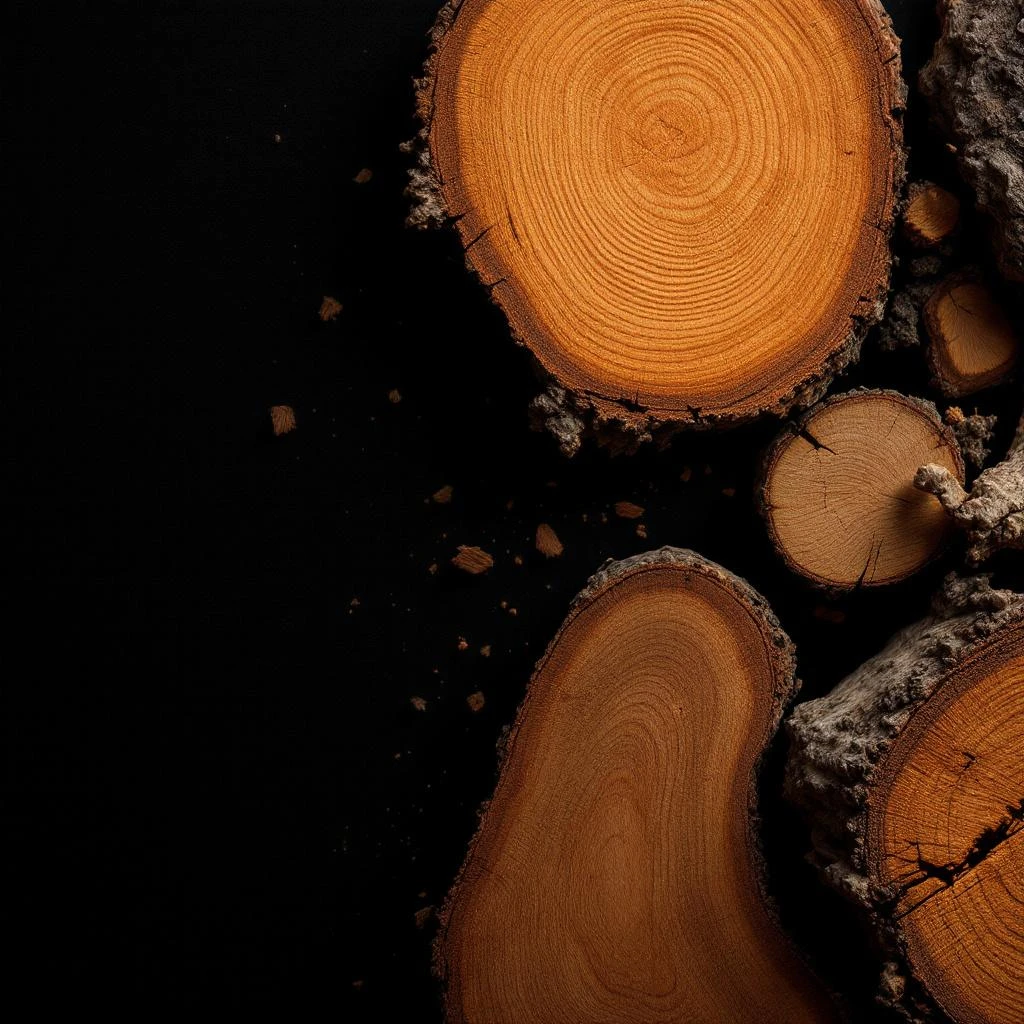
The Story of Smooth warm woods
Smooth warm woods form the backbone of many beloved fragrances, offering creamy, velvety depth without weight. Notes like sandalwood, rosewood, and mahogany provide an embracing warmth that settles close to the skin, delivering intimate woody character that feels both refined and comforting.
Heritage
Smooth warm woods have accompanied human civilization for thousands of years, valued equally for their aromatic and practical qualities. Sandalwood has been central to Indian religious rituals for over 4000 years, where its smoke was believed to carry prayers heavenward. Ancient Chinese medicine similarly embraced its calming properties, while Egyptian practitioners used it for meditation and space cleansing. These uses established the wood as a sacred material long before it reached European perfume counters.
Rosewood entered perfumery through maritime trade during the nineteenth and early twentieth centuries. South American woods, particularly Brazilian rosewood, became prized for their gentle floral-woody character. Simultaneously, mahogany built its reputation through fine furniture and shipbuilding, earning associations with lasting sophistication that perfumers would later draw upon. The connection between interior craftsmanship and fragrance remained strong: many wearers recognize these notes not from perfume counters but from lived-in spaces, furniture, and carved objects.
Contemporary perfumery navigates a changed landscape. CITES restrictions since 2010 have limited traditional rosewood harvesting, pushing the industry toward sustainable alternatives while preserving the sensory qualities that made these woods indispensable. The enduring appeal of smooth warm woods lies in their unique ability to evoke comfort and refinement simultaneously, qualities that feel as relevant today as they did centuries ago.
At a Glance
1
Feature this note
Multiple origins (Brazil, China, India, Australia)
Primary source region
Ingredient Details
Steam distillation
Heartwood, sapwood, bark, leaves and branches
Did You Know
"Ho Wood oil contains 85 to 92 percent linalool, one of the highest natural concentrations found in any commercial essential oil."