Character
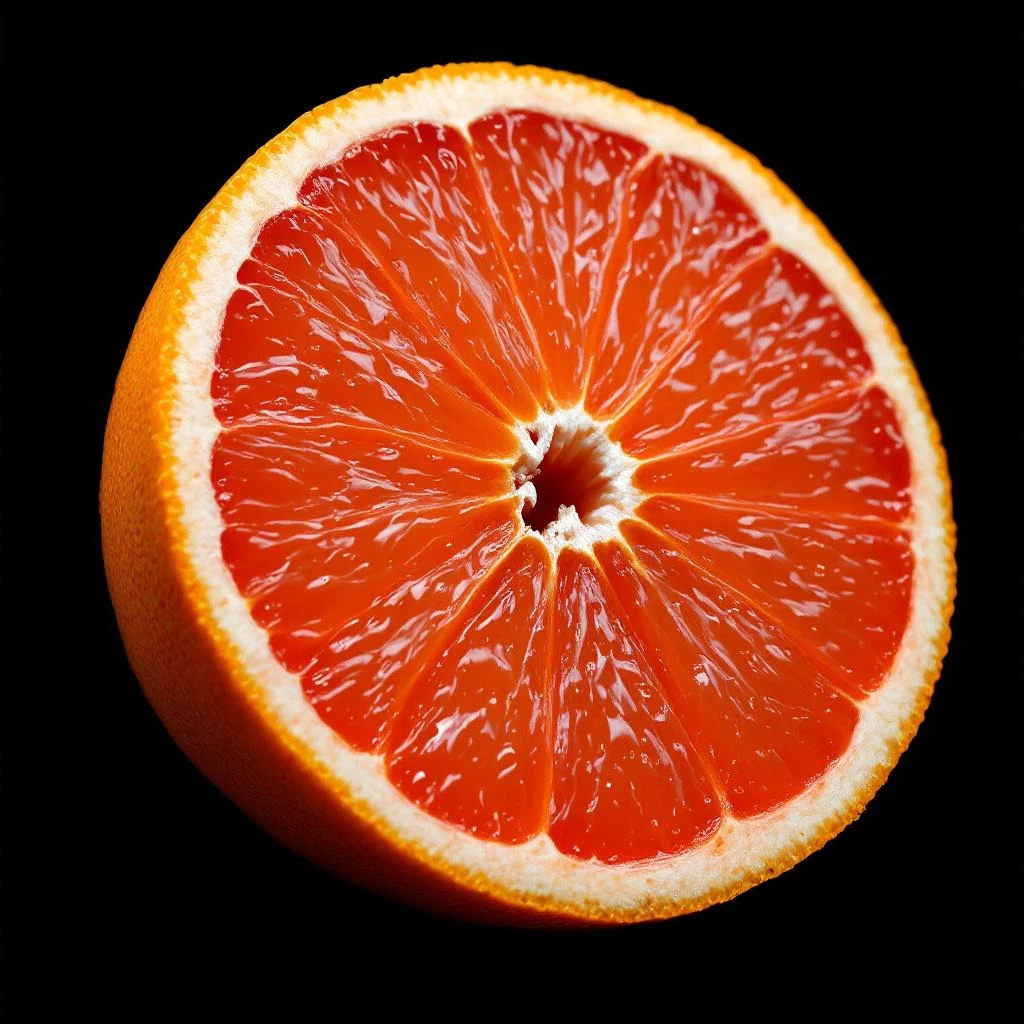
The Story of Sicilian grapefruit
Sicilian grapefruit bursts with a bright, slightly bitter citrus spark that lifts a fragrance instantly. Its crisp acidity and subtle floral undertones make it a favorite top‑note for modern compositions seeking a clean, sun‑kissed opening.
Heritage
Citrus cultivation arrived in Sicily with Arab traders in the 10th century, but the grapefruit itself is a later hybrid, first recorded in Barbados in the mid‑18th century. By the early 1900s, Sicilian growers began experimenting with the fruit’s peel, recognizing its sharp, invigorating scent. The rise of synthetic aromatics in Paris between 1889 and 1921 pushed natural citrus oils into a supporting role, yet the authenticity of Sicilian grapefruit kept it in demand among niche perfumers. During the post‑World War II boom, Italian perfume houses such as Acqua di Parma highlighted the note in their citrus‑focused collections, cementing its reputation for clean, Mediterranean freshness. Today, the ingredient stands as a bridge between traditional agronomy and contemporary fragrance design, valued for its unmistakable regional character and its ability to brighten modern compositions.
At a Glance
1
Feature this note
Italy
Primary source region
Ingredient Details
Cold-press expression
Fruit peel
Did You Know
"The first commercial Sicilian grapefruit orchards were planted in the late 1800s, and the fruit’s peel yields enough essential oil to fill roughly 1 ml per 150 kg of fruit—a surprisingly low but potent yield."