Character
The Story of Sicilian citrus fruits
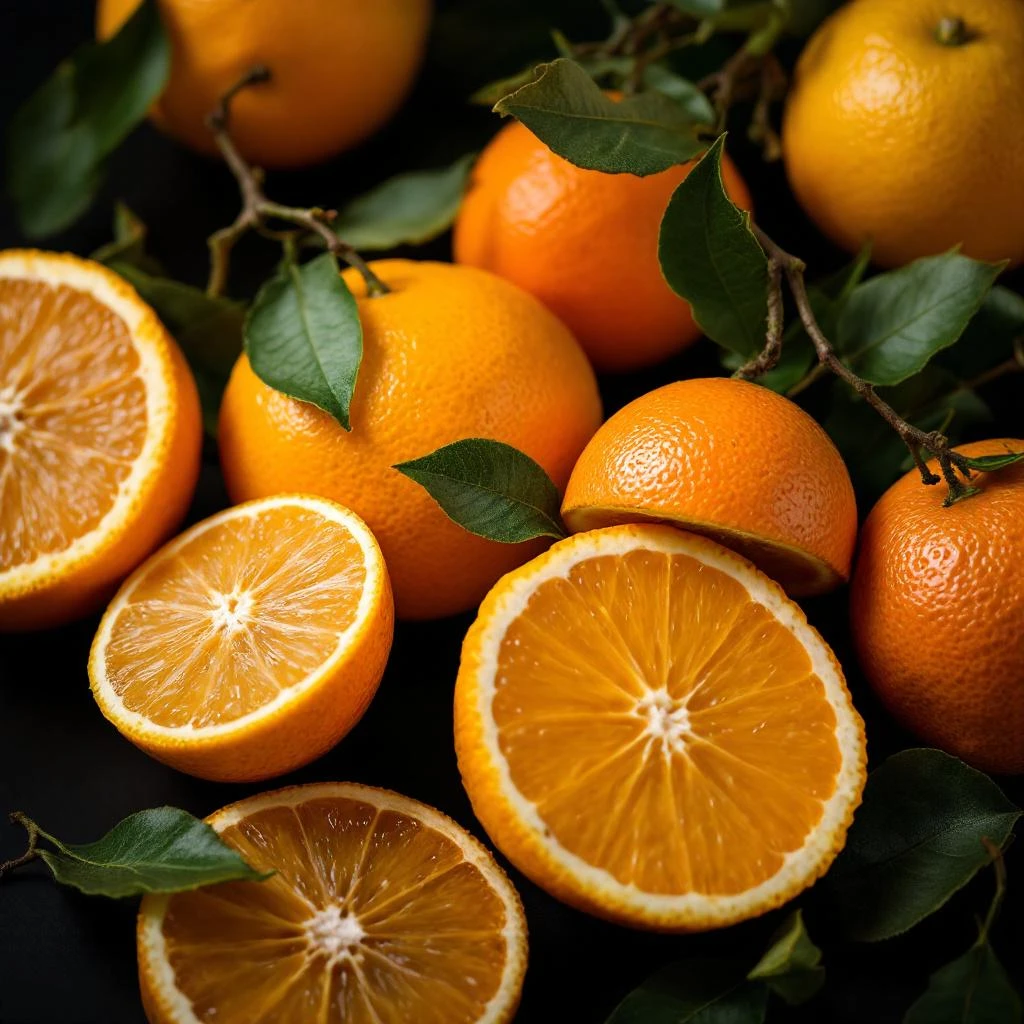
The sun-drenched groves of Sicily produce citrus with an intensity unmatched elsewhere. Volcanic soil, sea breezes, and millennia of cultivation create fruits whose peels yield some of perfumery's most coveted aromatic oils.
Heritage
Citrus entered Western perfumery through Alexander the Great's expedition to Asia, where his armies encountered citron plants and brought them back to Greece. The Romans later identified the region between Sicily and Calabria as the Garden of the Hesperides, legendary home of golden-fruited trees. In 1370, perfumers created the first citrus compositions with Queen of Hungary water, combining rosemary and sage with cedar and bergamot. Islamic scholars, particularly Avicenna, refined steam distillation techniques during the Middle Ages, enabling more efficient extraction of aromatic compounds. By the 18th century, bergamot became essential to Jean-Marie Farina's original Eau de Cologne formula. Sicily's citrus groves have supplied fragrance houses for centuries, with each harvest reflecting the island's unique terroir and centuries of cultivation expertise.
At a Glance
1
Feature this note
Italy
Primary source region
Ingredient Details
Cold pressing, steam distillation
Fruit peel (zest)
Did You Know
"The Romans believed Sicily's fragrant valleys were the legendary Garden of the Hesperides, where golden apples guarded immortality."