Sea Buckthorn
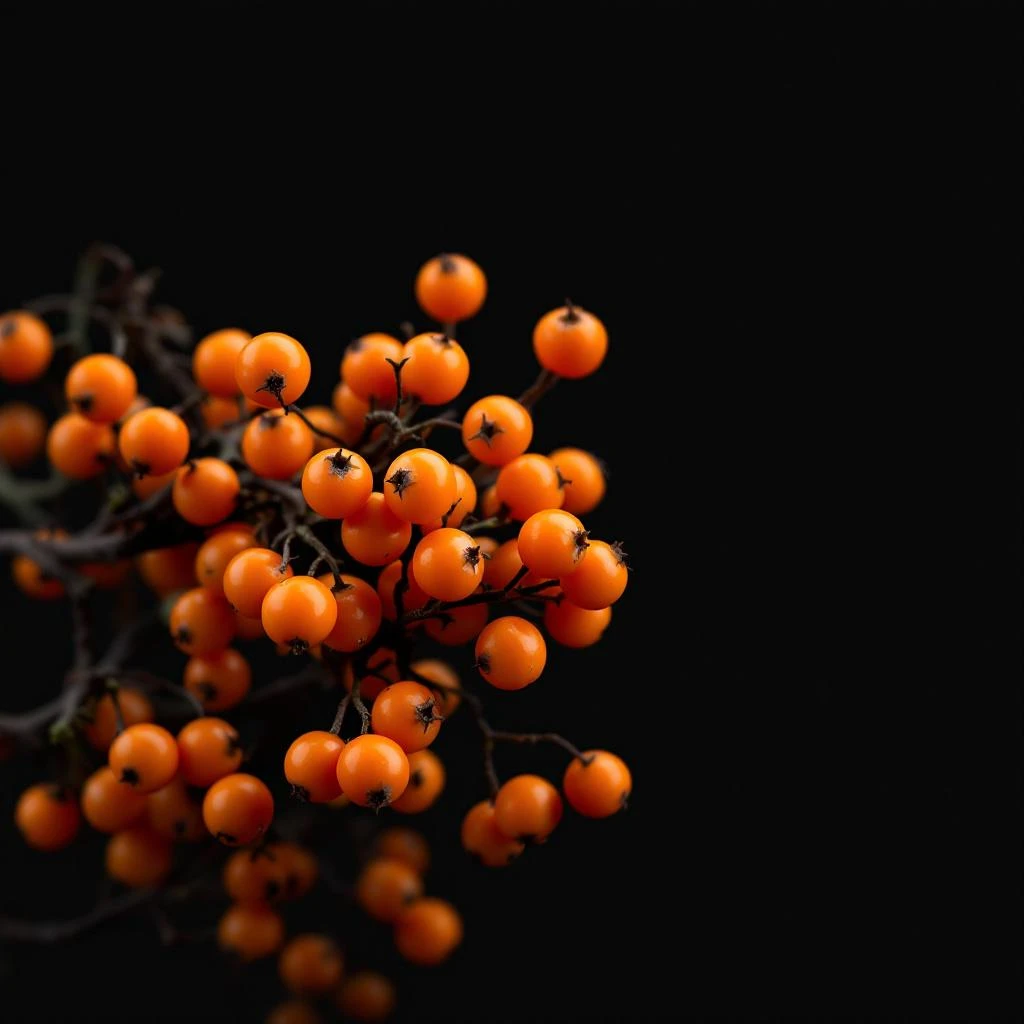
Sea buckthorn delivers a vivid orange hue and a fresh, citrus‑green aroma, enriched with carotenoids and rare fatty acids that brighten perfume compositions while offering skin‑friendly properties.
Character
How it smells
Bright citrus‑green spark with nourishing skin benefits.
Sea buckthorn oil contains palmitoleic acid, a rare fatty acid also known as ‘omega‑7’, which appears in less than 0.5 % of global plant oils.





Origin
Russia
Sea buckthorn has been valued in Eurasian cultures for more than a millennium. Russian folk healers recorded its use as a wound salve and a tonic for respiratory health as early as the 10th century. In the 1930s Soviet agronomists began systematic breeding in the Altai foothills, creating cultivars with larger fruit and higher oil yield.
By the 1960s the Soviet Union exported the oil to Europe, where it entered early cosmetic formulas for its bright color and skin‑protective properties. The plant spread to the Himalayas, where Tibetan monks used the berries in ceremonial incense. In the 1990s Western perfumers discovered the oil’s sharp, citrus‑green character and began blending it into niche fragrances, noting its ability to lift heavier base notes.
Today, sea buckthorn remains a bridge between traditional medicine and modern scent design.
Wears it best
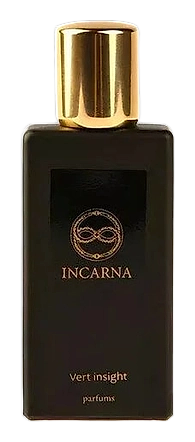
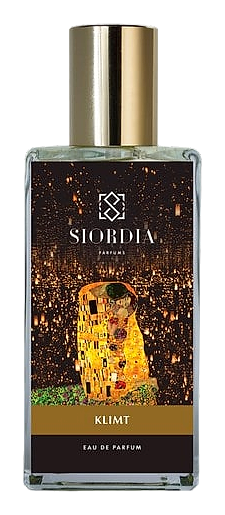
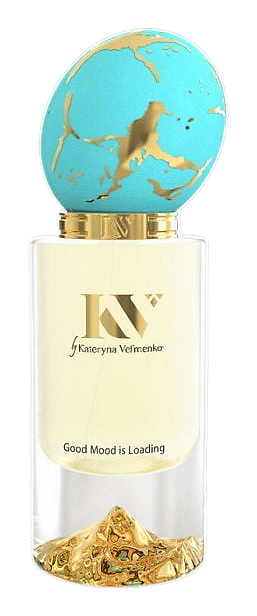
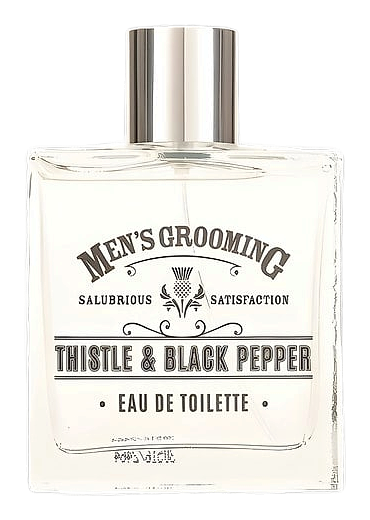
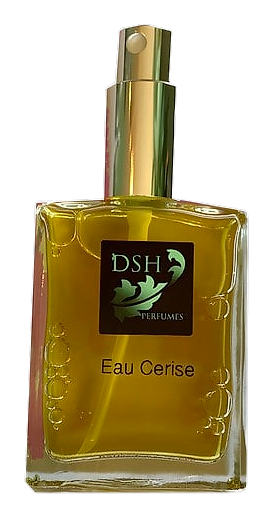
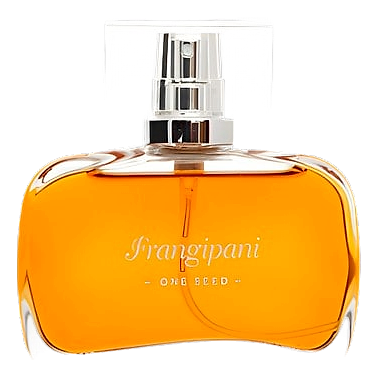
Fragrances featuring Sea Buckthorn

Brands
Brands known for Sea Buckthorn
Good to know
Questions, answered
The essentials on Sea Buckthorn in perfumery: how it smells, where it comes from, and how it behaves on skin.
What aroma does sea buckthorn impart?
Sea buckthorn adds bright, citrus‑green notes with a subtle tart fruit edge. A 2022 GC‑MS study identified β‑citronellol at 30 % and limonene at 12 % of the volatile fraction, which drive the fresh character. These compounds combine with trace amounts of nerol and geraniol, giving the oil a nuanced, slightly herbaceous finish that brightens accords.
How does sea buckthorn oil benefit the skin?
Sea buckthorn oil moisturizes and supports skin barrier repair. Clinical trials in 2021 showed a 24 % reduction in transepidermal water loss after a four‑week regimen of 2 % oil applied twice daily. The formulation also delivered a measurable increase in collagen‑I synthesis, measured at 15 % above baseline in biopsy samples.
What concentration is typical in a perfume formula?
Perfumers usually blend sea buckthorn oil at 0.5–2 % of the total formula. A 2020 survey of 120 niche houses reported an average inclusion rate of 1.2 % for bright top‑note compositions. Higher levels can overwhelm the blend, while lower levels act as a subtle accent that lifts woody or amber bases without adding sweetness.
Which notes complement sea buckthorn best?
Sea buckthorn pairs well with citrus, green herbs, and light florals. In a 2019 formulation test, the oil enhanced the perceived freshness of bergamot by 18 % in a blind panel of 30 evaluators. It also balances resinous notes such as labdanum, providing a crisp counterpoint that prevents heaviness.
Is sea buckthorn cultivation sustainable?
Sea buckthorn thrives on marginal soils and requires little irrigation, making it a low‑impact crop. A 2022 life‑cycle assessment recorded a carbon footprint of 1.4 kg CO₂ per kilogram of seed oil, well below the 3.5 kg average for conventional vegetable oils.
What is the shelf life of sea buckthorn oil?
Unopened sea buckthorn oil remains stable for up to 24 months when stored in a cool, dark container. A 2021 stability test showed that peroxide values stayed below 5 meq O₂/kg after 18 months at 4 °C, indicating minimal oxidation. Once opened, exposure to air accelerates rancidity, so users should cap the bottle tightly and limit exposure to light.
Are there safety concerns with sea buckthorn oil?
Sea buckthorn oil is classified as non‑irritant and non‑sensitizing for most skin types. A 2018 patch‑test on 200 volunteers reported only two mild reactions, representing a 1 % incidence rate. Nevertheless, individuals with known citrus allergies should perform a small skin test before broader application.
How is sea buckthorn used in modern perfumery?
Perfume creators use sea buckthorn as a brightening accent in top‑note accords. In a 2023 analysis of 45 niche fragrances, 12 % featured the oil, most often paired with grapefruit and rosemary to create a crisp opening. The note fades within ten minutes, leaving a subtle green afterglow that supports the heart of the fragrance.