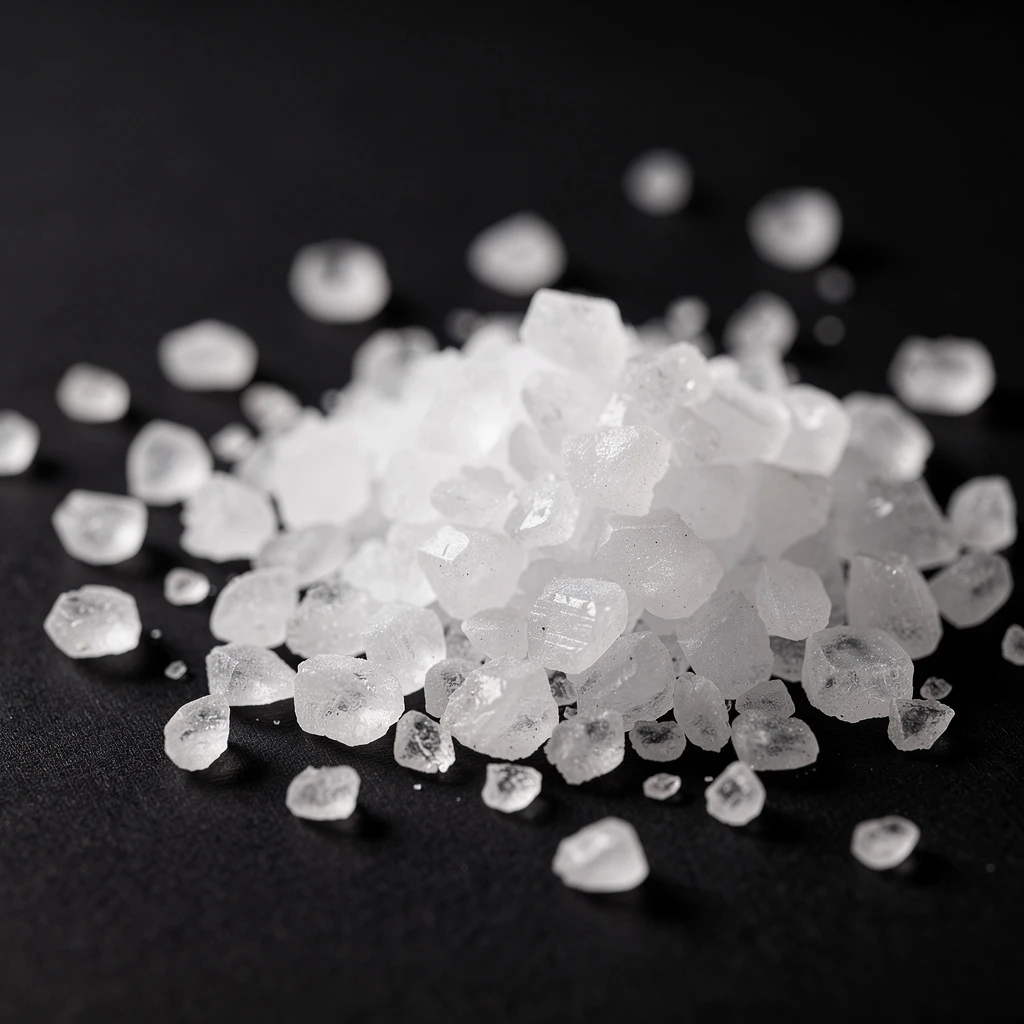
Salty Air
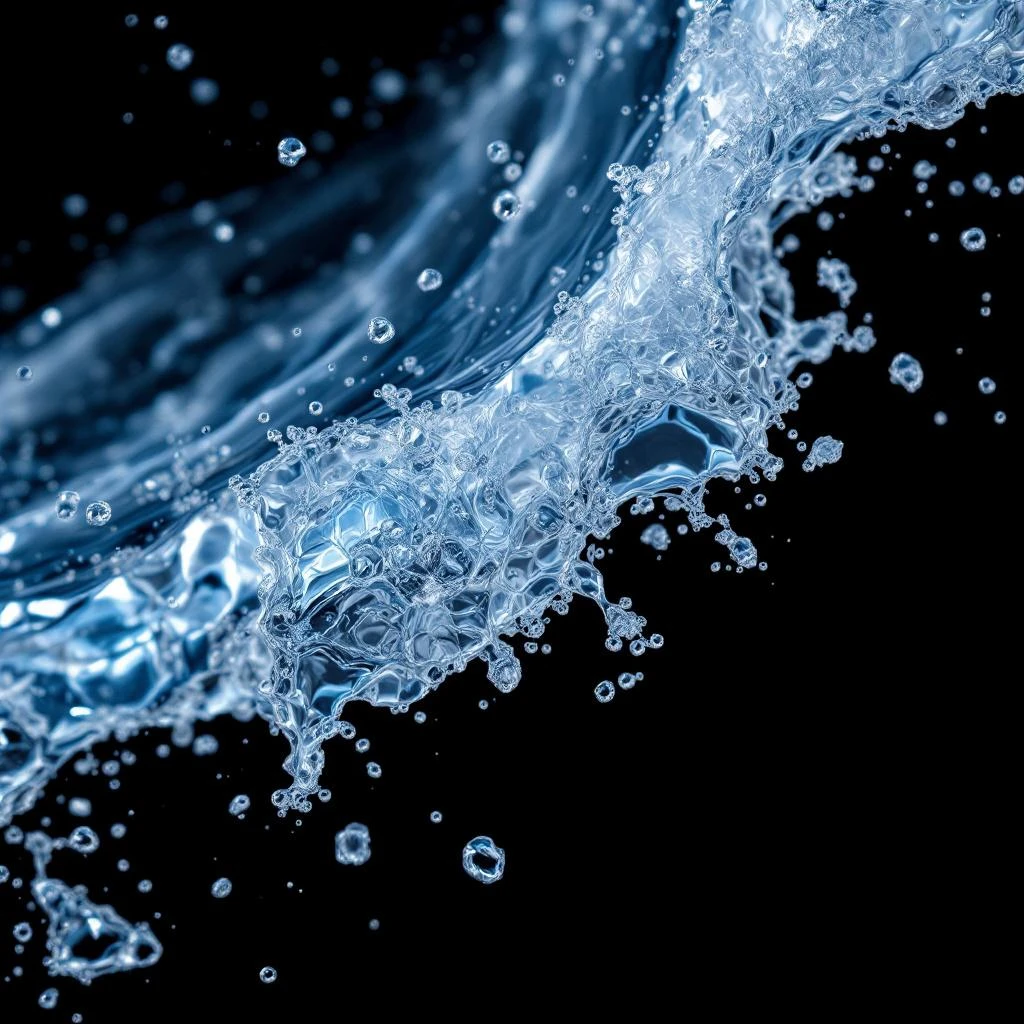
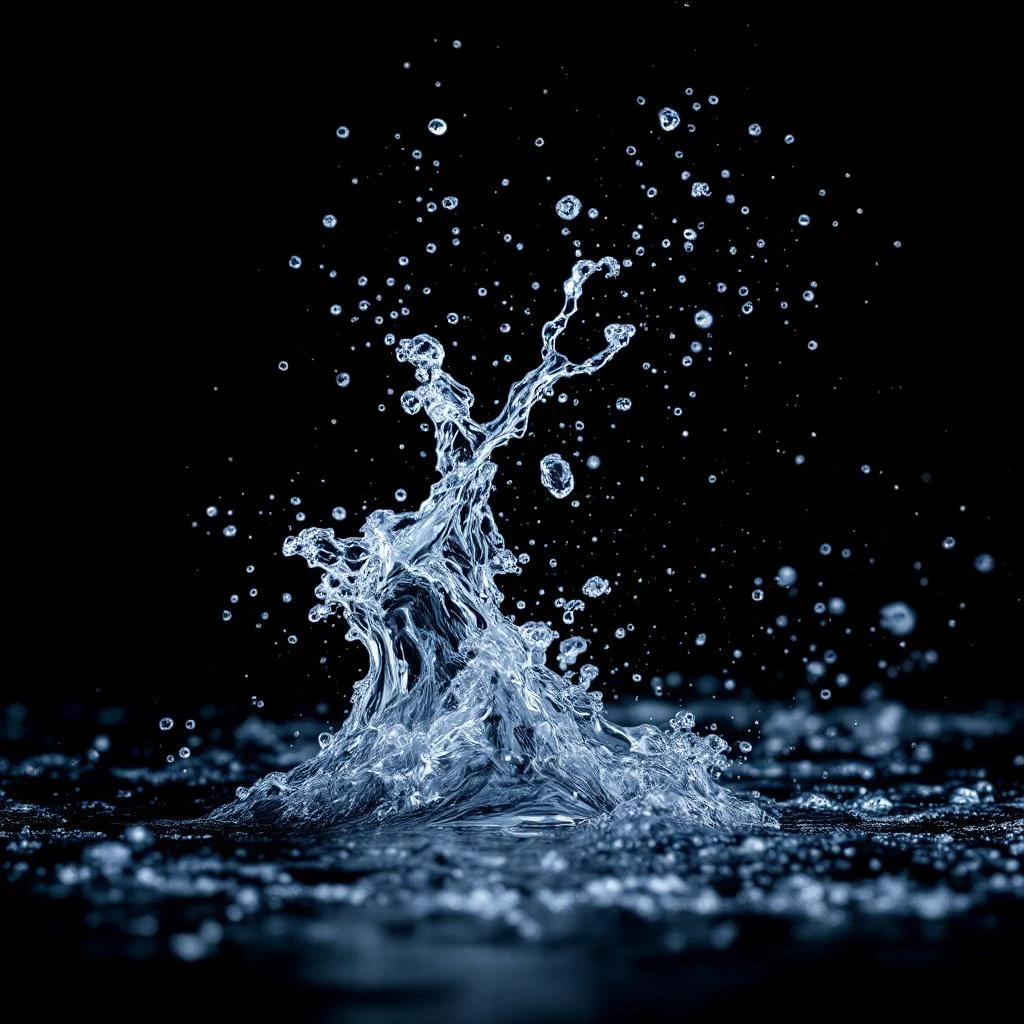
The ocean's rare treasure. Ambergris, the legendary sea-born fixative, brings an unmistakable salty-fresh depth to fine fragrances.
Character
How it smells
Ocean-fresh sophistication
Ancient Arabic traders once used ambergris as currency, valuing chunks of it as highly as gold.





Origin
Atlantic Ocean
Ambergris has commanded attention across civilizations for over a thousand years. Arab traders prized it during the medieval period, using it as medicine, incense, and even currency. Chinese perfumers incorporated it into elaborate fragrance compositions for imperial courts.
European Renaissance perfumers considered it essential for courtly powders and pomanders. The 17th century English navy reportedly carried ambergris specifically for perfuming leather gloves. Whalers hunted sperm whales aggressively during the 18th and 19th centuries partly for this substance, which sold for more than gold by weight.
The 1973 CITES treaty protections for sperm whales shifted the industry toward synthetic recreations. Contemporary perfumers now balance traditional appreciation for natural ambergris with conservation ethics, using carefully sourced vintage stock or modern molecular alternatives that echo the sea-salt character at the heart of this ingredient's enduring appeal.
Wears it best
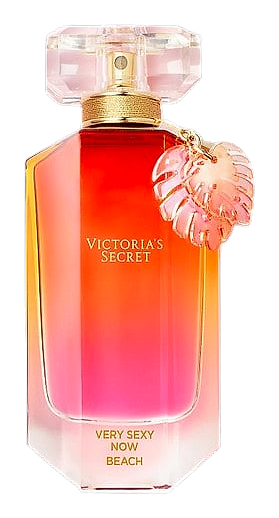
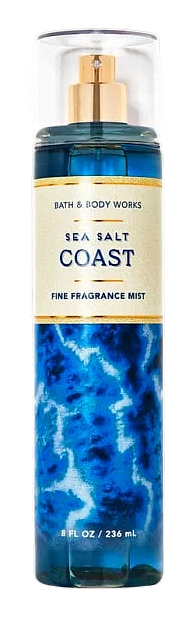
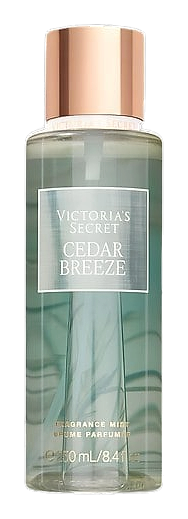
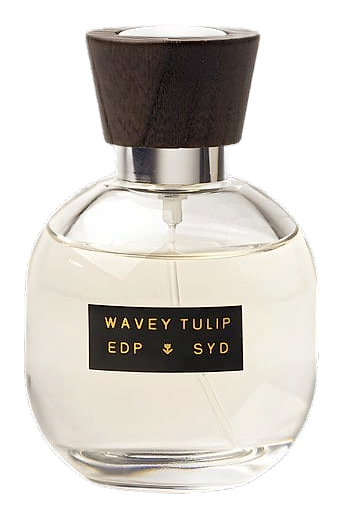
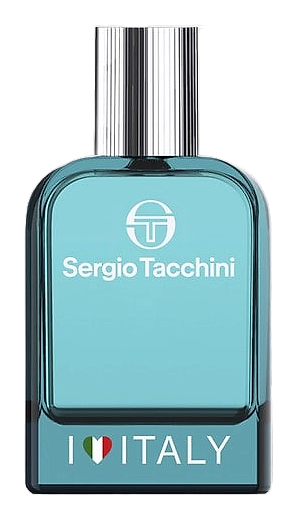
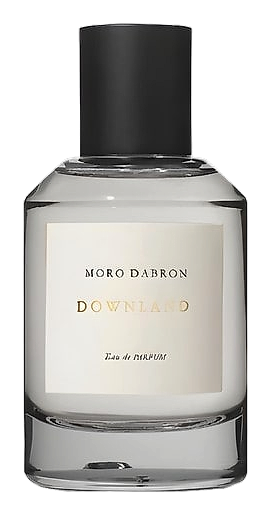
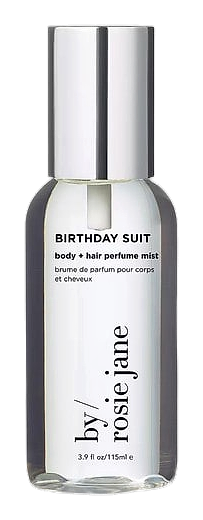
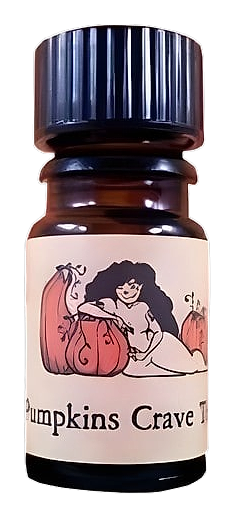
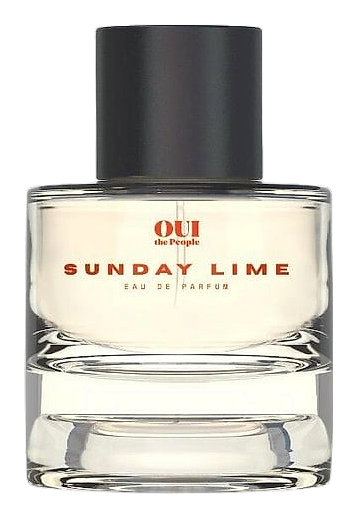
Fragrances featuring Salty Air
Brands
Brands known for Salty Air
Good to know
Questions, answered
The essentials on Salty Air in perfumery: how it smells, where it comes from, and how it behaves on skin.
What does salty air smell like in perfume?
Salty air in perfumery describes a fresh, marine aroma that evokes ocean breeze and sun-warmed driftwood. Natural ambergris adds a complex salty sweetness with hints of tobacco and violets.
Is salty air a natural or synthetic ingredient?
Both exist. Natural salty air refers to ambergris, found floating in oceans. Modern perfumery also uses synthetic aroma chemicals like calone and ambroxan to create marine effects.
What is the historical origin of salty air in perfumery?
Ambergris usage dates to at least the 9th century Arab world. Ancient Chinese and European Renaissance perfumers valued it as a premium fixative for centuries.
Why is ambergris significant in fragrance?
Ambergris acts as a powerful fixative, slowing the evaporation of lighter fragrance notes. This extends a perfume's longevity on skin significantly.
What marine notes pair well with salty air?
Salty air combines naturally with aquatic florals like jasmine and lily, citrus oils, driftwood notes, and green marine accords in modern compositions.
Is natural ambergris still used in contemporary perfumery?
Limited natural ambergris remains in circulation from vintage stocks and carefully regulated sources. Most modern fragrances use synthetic ambergris substitutes.
How does ocean aging affect ambergris quality?
Extended floating in seawater oxidizes ambergris, transforming dark raw material into pale, waxy pieces with a more refined and complex aromatic profile.
What fragrances showcase salty air notes?
Marine and oceanic fragrance families prominently feature salty air notes, particularly in fresh summer scents, beach-inspired compositions, and modern aquatic fragrances.