Character
The Story of Russian Coriander
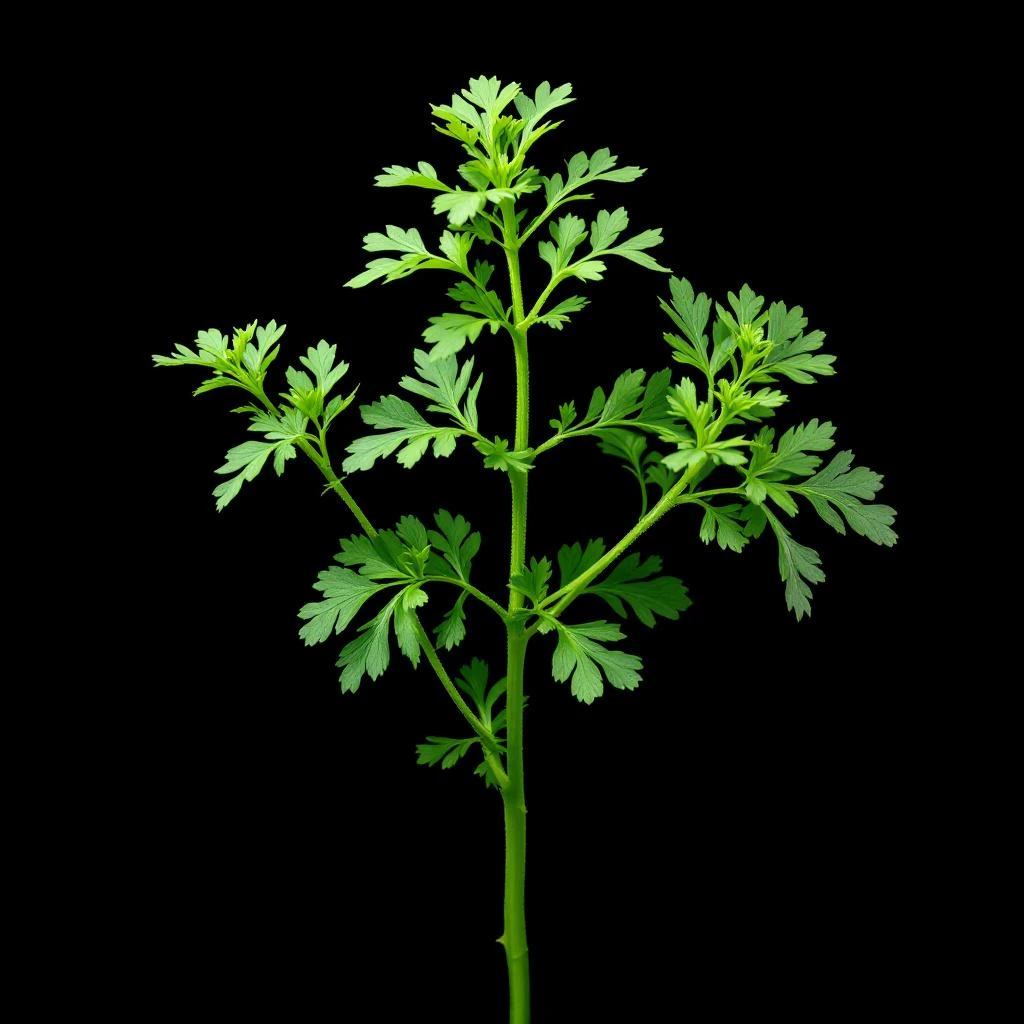
Russian coriander delivers a crisp, citrusy-spicy character that perfumers prize for bridging fresh and warm notes. Cold-climate seeds produce an oil richer in linalool than warmer regions, with a cleaner, more refined aromatic profile.
Heritage
Coriander dates back to ancient Egyptian tombs, where traces appear in burial preparations. The name derives from the Greek koris, meaning bug—a reference to the fresh plant's distinctive (and divisive) scent. Medieval Europeans believed a handful of coriander thrown into flames could ward off demons, while Charlemagne championed it for its bactericidal properties. Russia began cultivating coriander in 1830 when seeds arrived from Spain, adapting remarkably well to the continental climate. By the Soviet era, Russia had become a global leader, cultivating over 140,000 hectares by 1986. The Voronezh, Kursk, and Belgorod regions alone produced a third of the country's crop. Beyond perfumery, Russian coriander served the food industry, medicine, and even became a honey plant—the small white flowers proved irresistible to bees. The essential oil, prized for recreating violet, lily, lemon, rose, and lily-of-the-valley notes, remains a staple in fine fragrance today.
At a Glance
1
Feature this note
Russia
Primary source region
Ingredient Details
Steam distillation
Dried seeds
Did You Know
"During WWII, sugar-coated coriander seeds were tossed as festive confetti when sweets were rationed—people called them 'sugar drops' and they brought brief moments of sweetness at rare celebrations."