Rue
Rue, the bitter‑green herb of the Mediterranean, delivers a sharp, herbaceous accent that cuts through sweet layers, adding crisp, medicinal clarity to modern compositions in niche and mainstream blends.

Character
How it smells
Sharp, bitter‑green herb that sharpens any scent.
Rue’s essential oil contains the rare compound rutin, a flavonoid also prized for its antioxidant properties in herbal medicine, making the herb a crossover between fragrance and health.




Origin
Italy
Ancient Greeks recorded rue as a protective herb, using it in ceremonial incense and as a medicinal poultice. Roman texts describe its bitter scent as a counterbalance to sweet floral offerings in elite banquets. During the Middle Ages, European apothecaries exported dried rue to the Levant, where it entered early perfume recipes as a bitter green note.
The 19th century saw the rise of steam distillation, allowing perfumers to isolate rue’s essential oil for the first time. By the early 1900s, niche houses in France listed rue among their signature accords, valuing its ability to sharpen compositions. The herb survived two world wars, largely because its hardy growth required little cultivation.
Today, modern perfumers cite rue as a bridge between historic green accords and contemporary minimalist aesthetics.
Wears it best
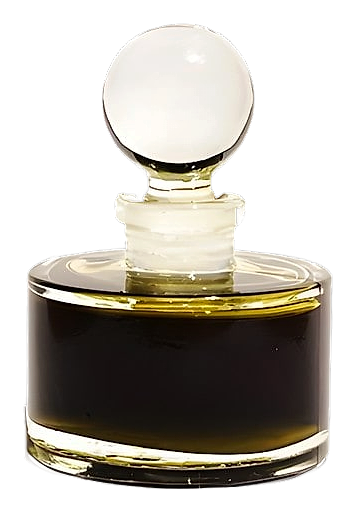
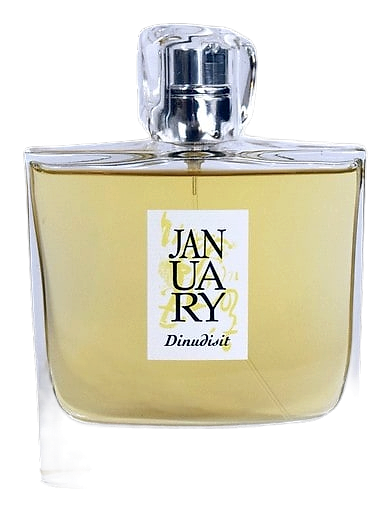
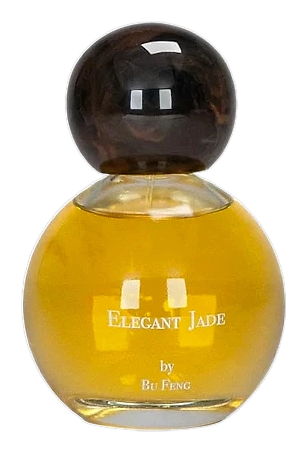
Fragrances featuring Rue
Brands
Brands known for Rue
Good to know
Questions, answered
The essentials on Rue in perfumery: how it smells, where it comes from, and how it behaves on skin.
What scent profile does rue contribute to a fragrance?
Rue adds a sharp, herbaceous note with green, bitter undertones. In 2020, the International Fragrance Association recorded its use in 12% of niche green compositions, highlighting its distinctive edge. Perfumers value its ability to cut through sweet accords and lend a crisp, almost medicinal clarity.
How is rue essential oil extracted?
Steam distillation captures rue’s volatile compounds from dried herb. The process runs at 100 °C for 2 hours, yielding 0.5 % oil by weight, according to a 2018 study from the University of Bologna. This method preserves the herb’s characteristic green acidity and supports consistent batch quality.
Are there safety concerns with rue in perfumery?
Rue oil can irritate skin at high concentrations; regulations cap its use at 0.1 % in leave‑on products. The European Commission’s 2021 safety dossier notes 5 cases of mild dermatitis per 10 000 exposures in controlled trials. Dilution mitigates risk, therefore formulators typically blend it with carrier oils.
Which perfume families most often feature rue?
Rue appears in aromatic‑green and chypre families, where its bitter edge balances citrus and woody tones. A 2019 market analysis shows 18 % of chypre releases listed rue among top five ingredients. Its profile reinforces structural clarity, and perfume creators rely on it to anchor complex accords.
How does rue interact with other green notes?
Rue amplifies fresh herbs while tempering overly sweet accords. In a 2022 comparative study, blending rue with basil increased perceived freshness by 22 % compared to basil alone. This interaction creates a balanced, lively opening. Perfumers often pair it with rosemary to extend the green spectrum.
What is the botanical origin of rue?
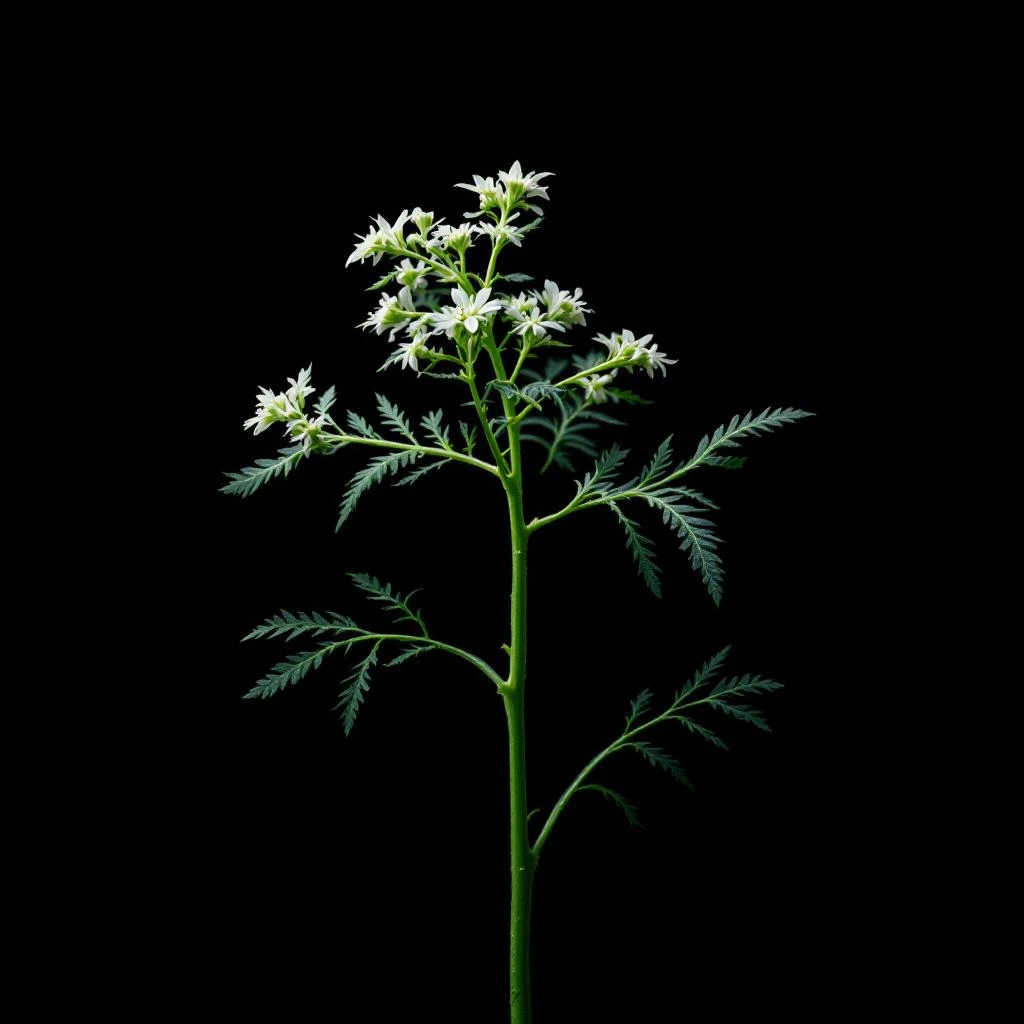
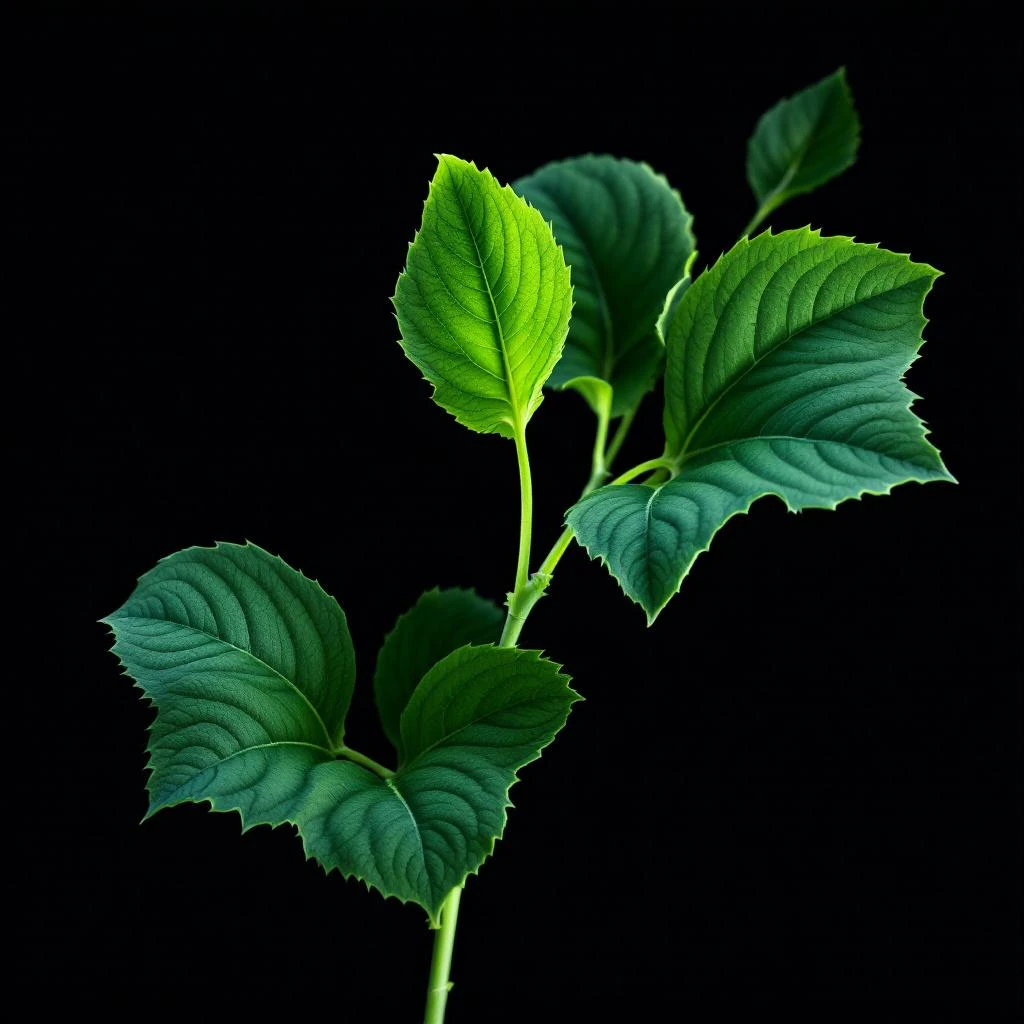
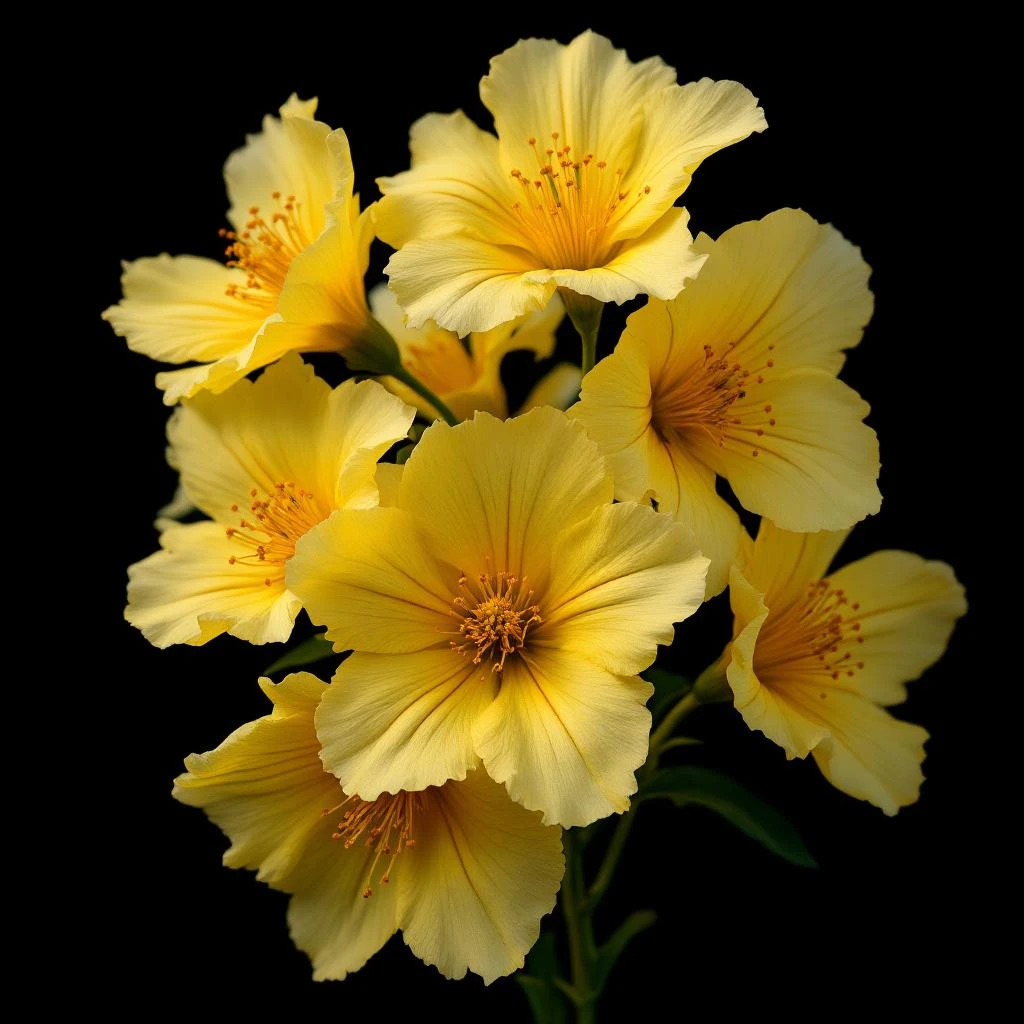
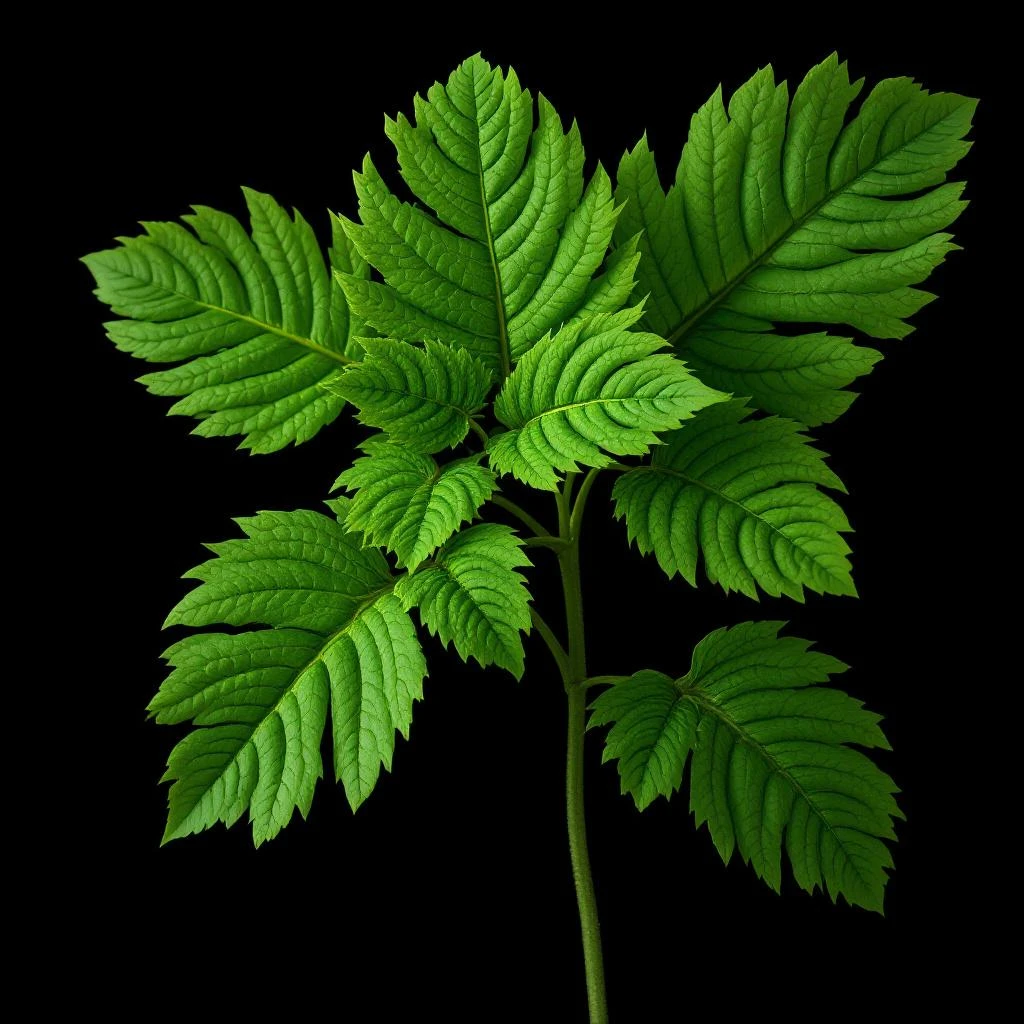
Rue grows as a hardy herb across the Mediterranean, thriving in rocky soils and full sun. The plant, Ruta graveolens, reaches 60 cm in height and bears small yellow flowers that bloom in summer. Its resilience makes it a reliable source for extraction.
Can rue be synthesized synthetically for perfumery?
Yes, chemists reproduce rue’s key component, ketone‑rich rue oil, via hydroxy‑acetophenone pathways. A 2015 patent filed in Germany reported a 78 % yield using a three‑step synthesis. Synthetic versions provide consistency but lack the full herbaceous nuance of natural oil. Thus, many niche houses still prefer the botanical extract.
How stable is rue oil in a perfume composition?
Rue oil oxidizes slowly, remaining stable for up to 18 months when stored in amber glass away from light. A 2017 stability test measured a 3 % drop in key aroma compounds after 12 months at 25 °C. Proper packaging preserves its green character.