Character
The Story of Rose Ultimate Extract
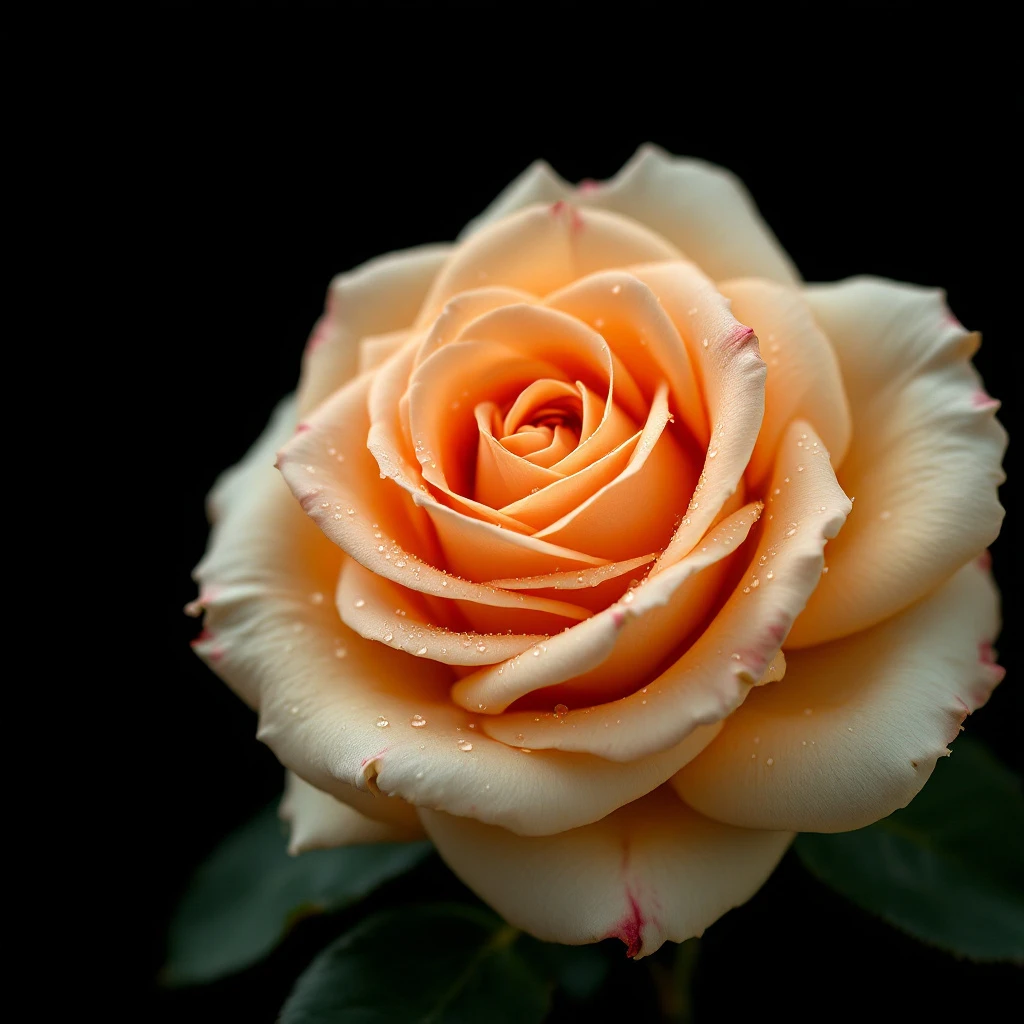
A rose concentrate that defies expectations. Rose Ultimate Extract is produced from the petals left behind after steam distillation, materials most would consider spent. Upcycling reveals their hidden depth: a sweetness so rich and sticky, it rivals any fresh-cut bloom. The ultimate expression of circularity in perfumery.
Heritage
The Damask rose has been central to perfumery for centuries, cultivated across Persia, the Ottoman Empire, and the Levant before spreading to Bulgaria and Turkey. Isparta emerged as a major production center during the Ottoman period, where the climate and altitude proved ideal for growing Rosa damascena. By the 20th century, the region had industrialized rose cultivation on a large scale, with steam distillation becoming the standard method for producing rose oil and rose water. What changed little during this time was the fate of the exhausted petals. They were typically composted or discarded. The concept of extracting value from these materials is relatively recent, enabled by greater understanding of what compounds remained in the plant matrix after distillation. Fragrance houses began experimenting with solvent re-extraction in the late 20th century, eventually refining the process into what is now known as Rose Ultimate Extract. The innovation lies not in discovering a new rose, but in recognizing what was hiding in materials already deemed spent.
At a Glance
2
Feature this note
Turkey
Primary source region
Ingredient Details
Solvent extraction
Petal (post-distillation, exhausted)
Did You Know
"It takes roughly 3.5 to 4 tonnes of Rosa damascena petals to produce just 1 kilogram of rose oil. The petals left behind still hold aromatic compounds worth capturing."