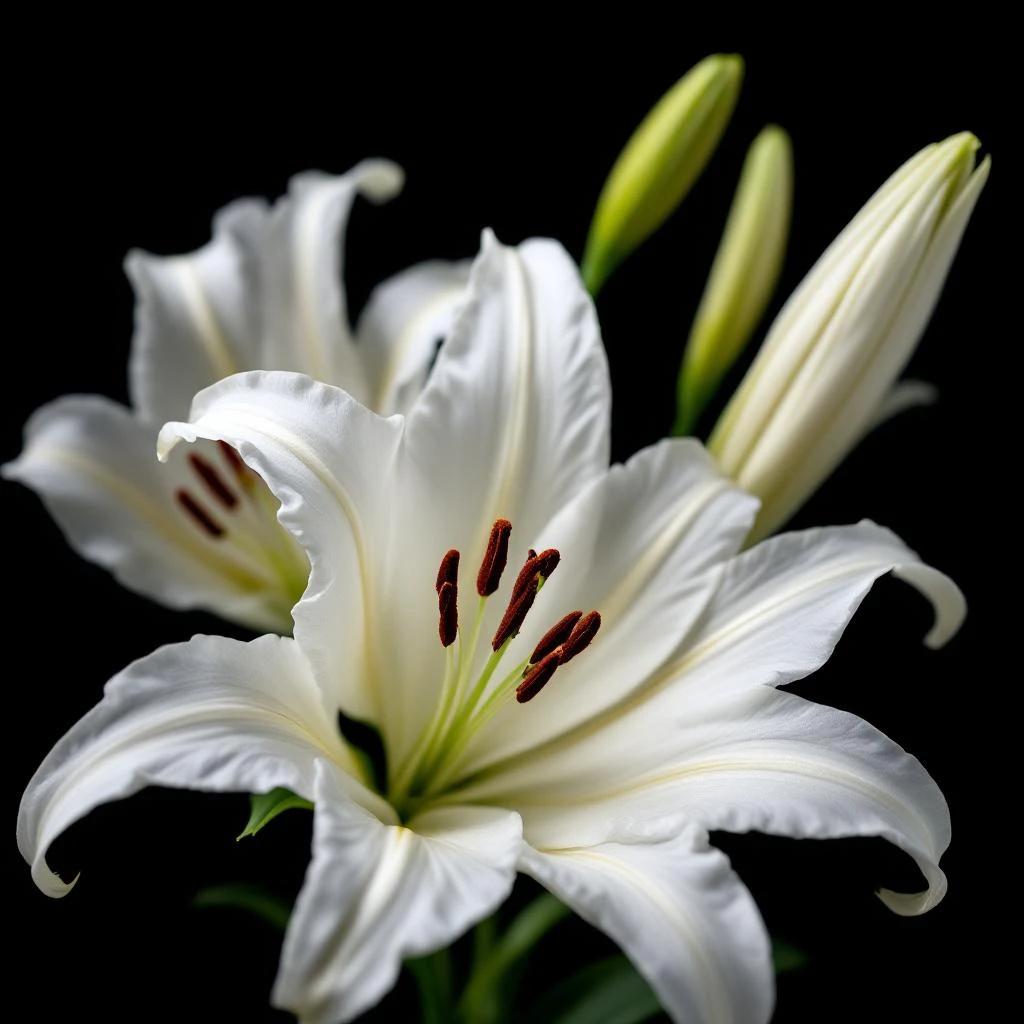
Rose Tea
Rose tea blends the fresh, dewy scent of hybrid tea roses with subtle green tea nuances, delivering a crisp, floral note that brightens any composition.
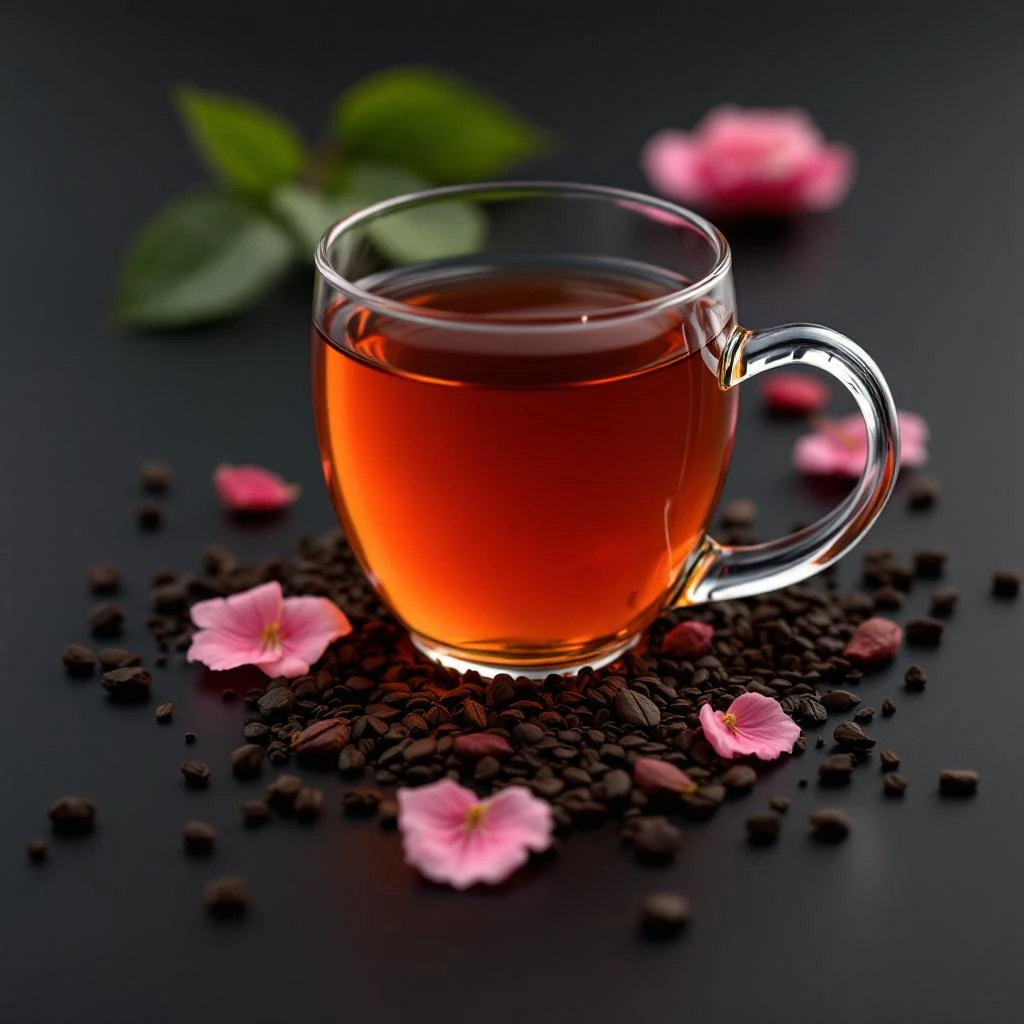
Character
How it smells
A crisp bloom that awakens the senses.
The first hybrid tea rose, 'La France', debuted in 1867; its petals now supply most rose tea absolutes used in contemporary perfumery.







Origin
China
Roses have scented human rituals for millennia. Ancient Persians distilled rose water for religious rites, while Egyptian tombs contain residues of rose perfume dating to 1500 BC. Greek poets praised the flower’s scent as a symbol of love, and Roman aristocrats bathed in rose‑infused oils.
By the 10th century, Persian alchemists refined steam distillation, creating rose attar that traveled along Silk Road caravans. The hybrid tea rose emerged in China during the mid‑19th century, later spreading to Europe where growers in Grasse, France, cultivated it for perfume. In the 1700s, French perfumers began pairing rose oil with green‑tea extracts, a combination that earned the moniker "rose tea" in the early 20th century.
Today, the note remains a staple in modern fragrance houses, linking ancient reverence with contemporary creativity.
Wears it best
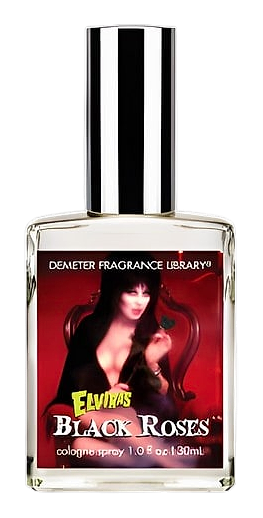
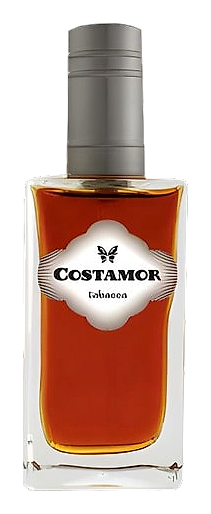
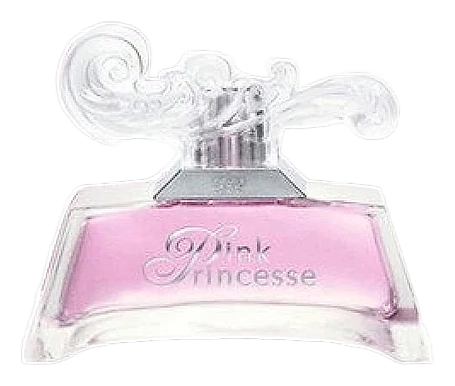
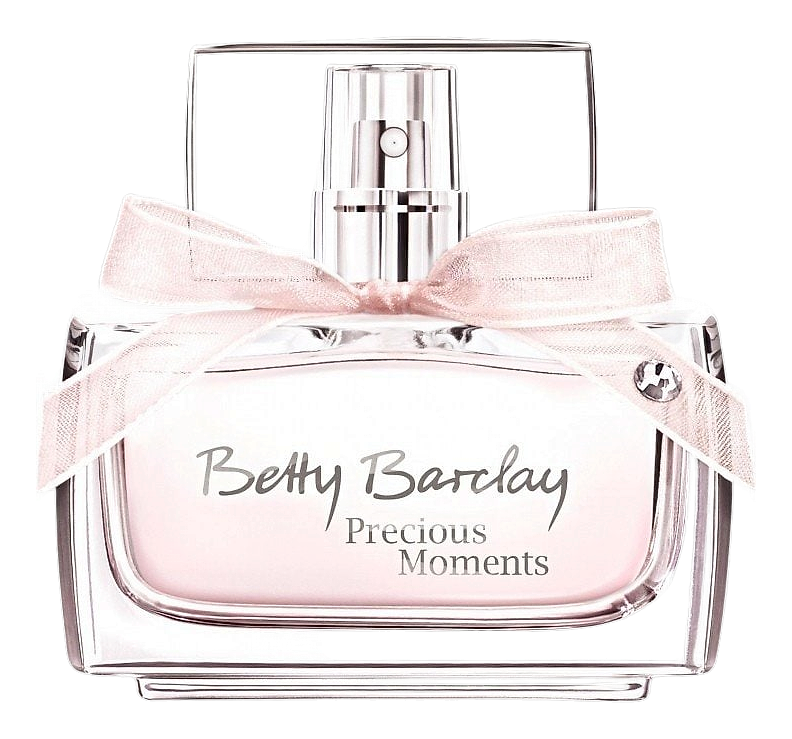
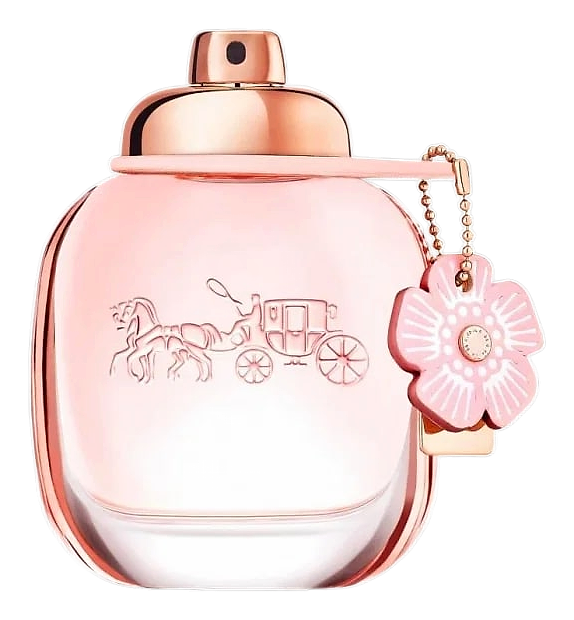
Fragrances featuring Rose Tea

Brands
Brands known for Rose Tea
Good to know
Questions, answered
The essentials on Rose Tea in perfumery: how it smells, where it comes from, and how it behaves on skin.
What does the rose tea note smell like?
Rose tea offers a bright, floral aroma with a clean, slightly herbaceous edge reminiscent of green tea. A 2022 sensory panel measured its top‑note intensity at 7.4 on a 10‑point scale, confirming its crisp character.
How is rose tea extracted for perfumery?
The primary method uses steam distillation of fresh petals at 100 °C, capturing volatile compounds in a chilled receiver. In 2021, Grasse reported a yield of 0.02 % rose oil from 1.5 million harvested petals.
Is rose tea sustainable to produce?
Sustainable practices focus on low‑impact farming and recycling distillation water. A 2020 study found that organic rose farms in Bulgaria reduced pesticide use by 85 % while maintaining oil quality.
Can rose tea cause skin irritation?
Rose tea is generally gentle, but high concentrations may trigger sensitivity in rare cases. Patch‑test data from 2019 shows a 0.3 % incidence of mild irritation among 2,000 participants.
How long does the rose tea note last on skin?
The note typically persists for 3 to 5 hours before fading into its base accords. Laboratory evaporation tests recorded a half‑life of 4.2 hours at 32 °C.
Which fragrance families incorporate rose tea most often?
Rose tea appears frequently in floral‑green and fresh‑citrus families, adding brightness to compositions. Market analysis in 2021 listed it in 27 % of new releases within those categories.
Is synthetic rose tea available?
Yes, chemists replicate its key aroma compounds using phenylethyl alcohol and citronellol blends. A 2018 synthesis achieved 92 % similarity to natural rose tea in blind tests.
What is the primary region for cultivating hybrid tea roses used in rose tea?
China remains the leading source, producing over 60 % of global hybrid tea rose acreage. The 2022 agricultural census recorded 1.2 million hectares dedicated to these varieties.