Rose Milk
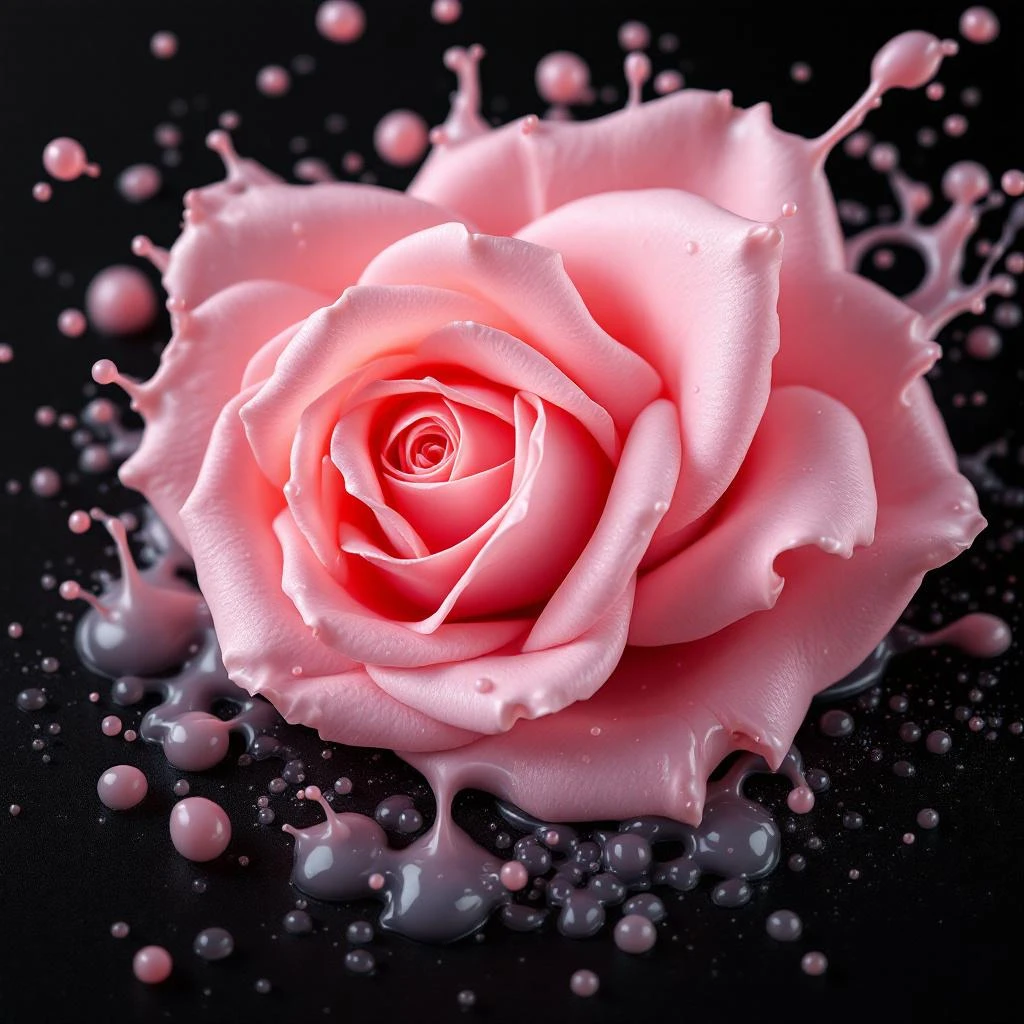
A creamy rose interpretation blending floral sweetness with soft, velvety undertones. Rose Milk captures the romantic essence of roses mellowed by musky warmth, creating a skin-close comfort that feels intimate and enveloping.
Character
How it smells
Creamy rose with skin-close warmth
It takes roughly 10,000 rose petals to produce just one ounce of rose otto oil, making rose one of the most labor-intensive ingredients in perfumery.



Origin
Bulgaria
Rose has anchored perfumery since ancient Greece, where Pliny documented it growing everywhere. The breakthrough came around 1000 CE when Persian chemist Ibn Sina pioneered steam distillation, creating rose water from Rosa damascena. This delicate extract immediately supplanted the crude oil-and-petal mixtures that preceded it.
By 1840, Jean-François Houbigant launched Eau de Cologne à la Fleur de Rose, cementing rose as a fine fragrance essential. Today's Rose Milk notes evolve this legacy, softening rose's romantic intensity with the velvety warmth that modern consumers often seek in skin-centered fragrances.
Wears it best
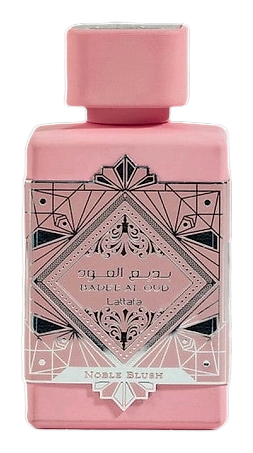
Fragrances featuring Rose Milk
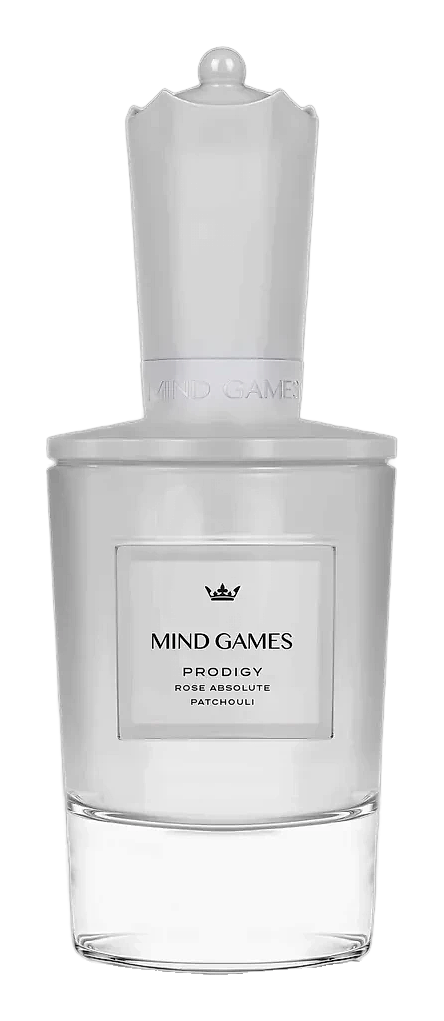
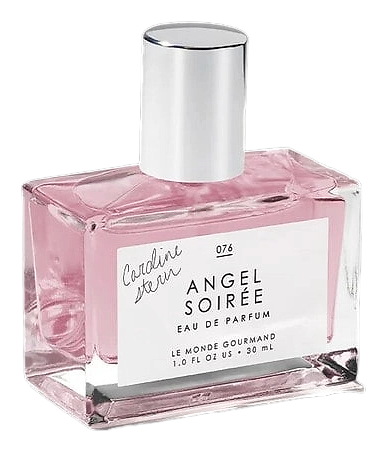
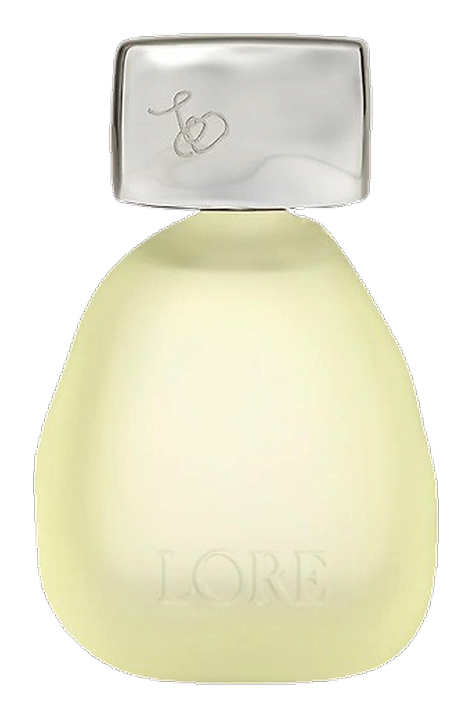
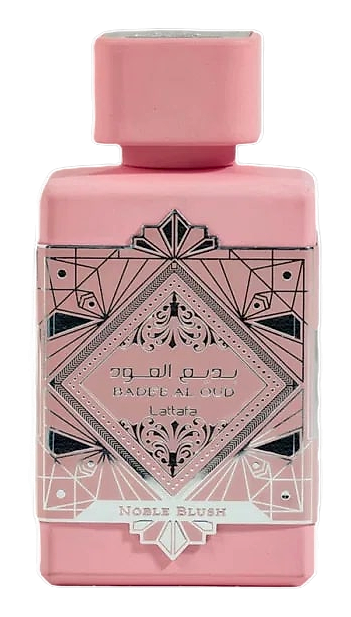
Brands
Brands known for Rose Milk
Good to know
Questions, answered
The essentials on Rose Milk in perfumery: how it smells, where it comes from, and how it behaves on skin.
What does Rose Milk smell like?
Rose Milk smells like traditional rose with creamy, skin-like undertones. It combines the floral sweetness of Damask rose with soft, velvety warmth that feels intimate and comforting rather than bright or sharp.
Is Rose Milk a natural or synthetic ingredient?
Rose Milk typically combines natural rose absolute with creamy supporting materials like musks or santalum album. The rose portion comes from steam or solvent extraction of rose petals.
Where does rose used in perfumery grow?
The most prized rose varieties grow in Bulgaria (Rosa damascena for otto), France (Rosa centifolia in Grasse for absolute), and Turkey. Bulgaria alone produces roughly 70% of the world's rose otto.
How much rose is needed to produce rose fragrance?
Rose is extremely concentrated. Producers need roughly 10,000 rose petals to yield one ounce of rose otto oil. One kilogram of rose absolute requires approximately 3-5 tonnes of petals.
What extraction method creates rose absolute?
Solvent extraction using hexane or similar solvents captures both volatile and non-volatile aromatic compounds from rose petals, producing a richer, fuller fragrance than steam-distilled otto.
Can Rose Milk notes be found in both men's and women's fragrances?
Yes. While rose was once considered feminine in Western perfumery, masculine fragrances with rose and creamy undertones have become mainstream since the 1990s, particularly in oud and woody compositions.
What fragrance families pair well with Rose Milk?
Rose Milk harmonizes with musks, sandalwood, vanilla, and woody notes. It also complements amber and other florals like jasmine, creating soft, enveloping compositions.
Does Rose Milk have any traditional cultural significance?
Rose has spiritual significance in Persian and Islamic traditions, used in religious practices and daily life. Rose water created by Ibn Sina's distillation method remains culturally important across Middle Eastern and South Asian traditions.





