    Ingredient Profile

    Rosa centifolia absolute fragrance note

    Rosa centifolia absolute captures the lush, powdery heart of the Provence rose, delivering a rich bouquet of fresh petals, honeyed fruit, an…More

    France

    3

    Fragrances

    Fragrances featuring Rosa centifolia absolute

    3

    Character

    The Story of Rosa centifolia absolute

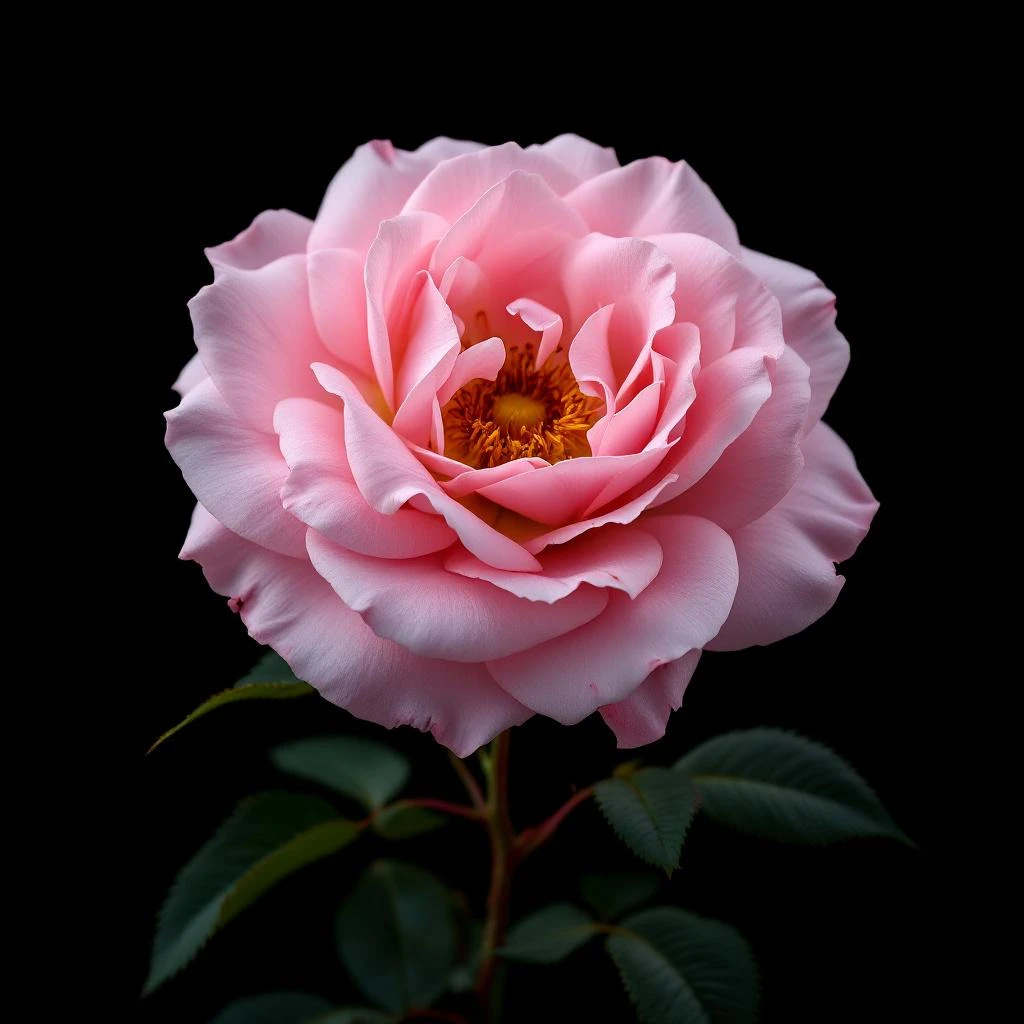
    Rosa centifolia absolute captures the lush, powdery heart of the Provence rose, delivering a rich bouquet of fresh petals, honeyed fruit, and subtle spice that anchors premium fragrances with timeless elegance.

    Heritage

    Roses have whispered through human history for millennia, appearing in ancient Persian gardens and Egyptian burial rites. The first recorded distillation of rose oil dates to the 10th‑century Persian city of Kashan, where artisans refined a method that later spread to Europe. By the 18th century, the French town of Grasse embraced the hybrid Rosa centifolia, known locally as rose de mai, for its abundant blooms and distinctive scent. Perfume houses such as Houbigant and Givaudan built dedicated farms, turning the region into a global source of rose absolute. In the 19th‑century boom, Rosa centifolia supplied the iconic “rose” note that defined classic French fragrances, while the Ottoman Empire cultivated the same variety for its own luxury markets. Today, the absolute remains a benchmark of quality, linking modern creators to a lineage that stretches from ancient incense burners to contemporary scent laboratories.

    At a Glance

    Fragrances

    3

    Feature this note

    Origin

    France

    Primary source region

    Ingredient Details

    Extraction

    Solvent extraction

    Used Parts

    Flower petals

    Did You Know

    "It takes about 3,000 kilograms of Rosa centifolia petals to yield just one kilogram of absolute, making it one of the most labor‑intensive ingredients in perfumery."

    Production

    How Rosa centifolia absolute Is Made

    Harvesters walk the rose fields at dawn, when the petals retain maximum moisture. Workers cut each blossom by hand, placing the fresh petals in insulated crates to preserve their volatile compounds. In the laboratory, the petals undergo a two‑step solvent extraction. First, a non‑polar solvent such as hexane washes over the petals, dissolving the waxes and pigments. The mixture is filtered, then the solvent evaporates under reduced pressure, leaving a thick, fragrant concrete. A second wash with ethanol extracts the aromatic molecules from the concrete, producing a clear, amber‑colored absolute. The final product retains the full spectrum of the flower’s scent, from bright citrus notes to deep honeyed undertones. Because the process discards large amounts of plant material, only about 0.03 % of the original petal weight survives as absolute, which explains the high cost and limited supply.

    Provenance

    France

    France43.7°N, 6.9°E

    About Rosa centifolia absolute