Character
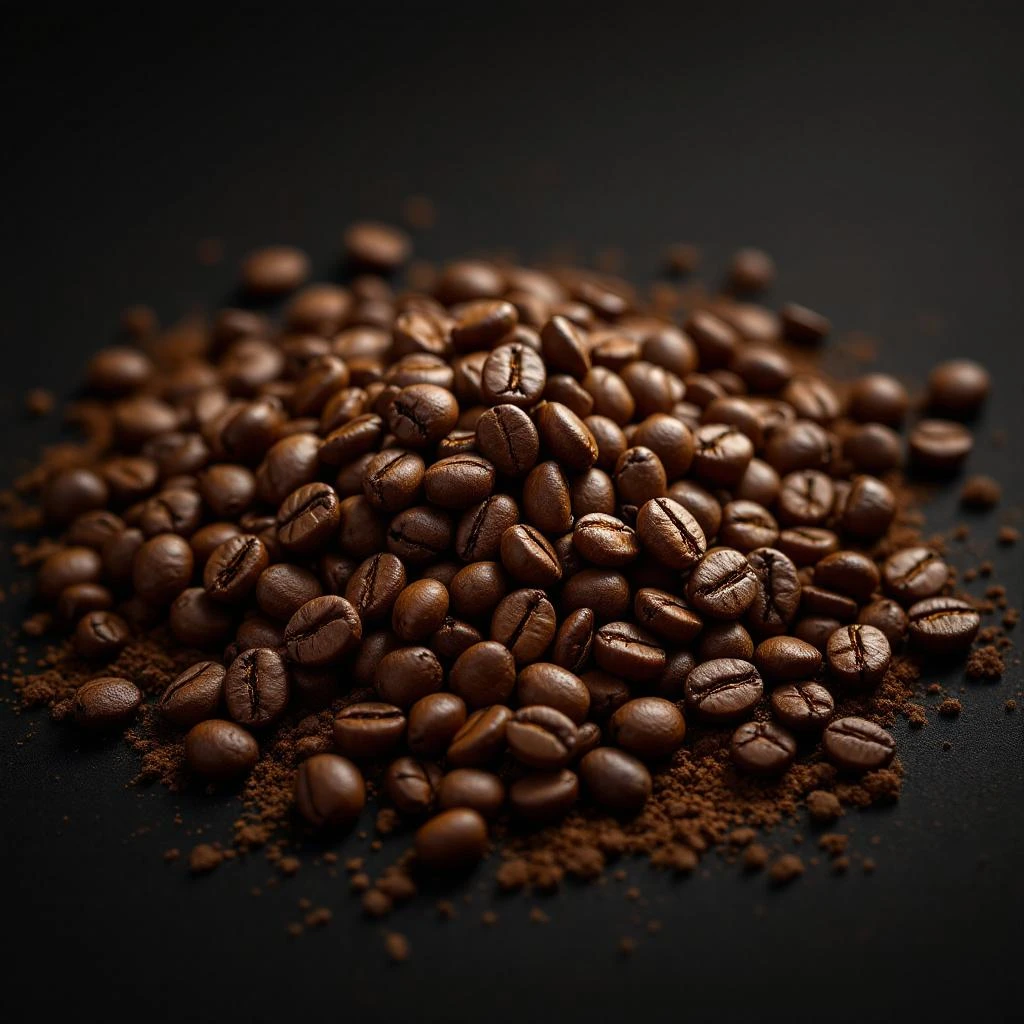
The Story of Roasted Coffee
Few ingredients match the visceral pull of roasted coffee in fragrance. This dark, complex note delivers warmth, bitterness, and a mouthwatering richness that anchors oriental compositions and elevates fresh top accords alike.
Heritage
Coffee's documented fragrance journey began centuries after it became a beverage. Believed to originate in the Ethiopian highlands, coffee spread through the Middle East by the 15th and 16th centuries, becoming central to trade routes between East and West. Turkish merchants introduced coffee to Europe, where its dark, roasted aroma was initially appreciated more in cooking and perfumery than as a drink. By the 19th century, with the rise of organic chemistry, perfumers gained access to coffee extracts that could be studied and combined with other materials. The ingredient gained serious perfumery credibility in the 20th century as extraction techniques improved, eventually landing in legendary fragrances like Thierry Mugler's Angel, which demonstrated that coffee could anchor an entire fragrance rather than simply support it.
At a Glance
1
Feature this note
Ethiopia
Primary source region
Ingredient Details
Solvent extraction
Roasted beans
Did You Know
"The coffee plant is believed to have originated in Ethiopia, where legend says a goat herder noticed his flock energised after eating red berries from a particular tree."