

Character
The Story of Roasted apple
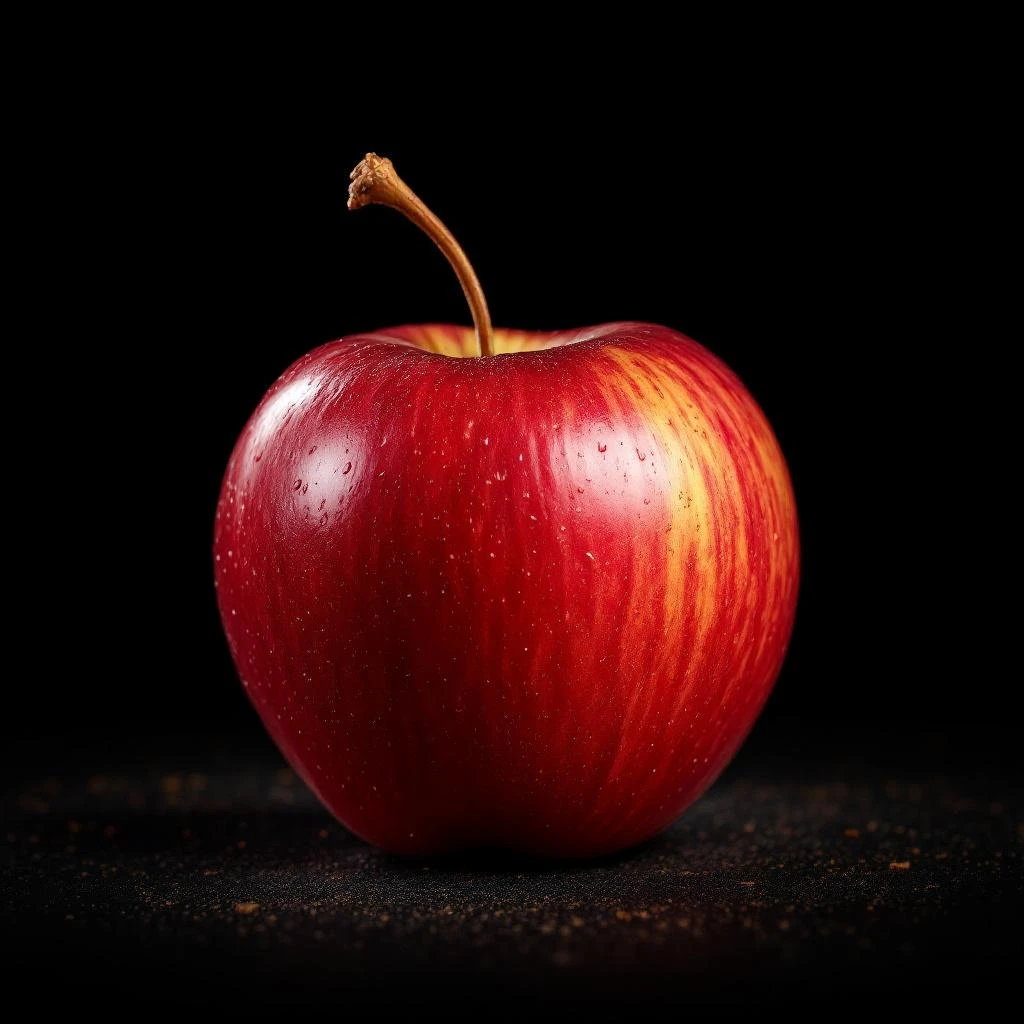
Roasted apple captures the moment heat transforms crisp fruit into something deeper and more intimate. The scent holds warm caramelized edges, baked spice, and a woody sweetness that lingers like embers dying in a hearth.
Heritage
The roasted apple note represents a fascinating convergence of food chemistry and perfumery that emerged in the late 20th century. While apple has appeared in fragrance for centuries, often as a crisp, green top note, the deeper roasted quality required a different approach. The key breakthrough came from studying the Maillard reaction, the same browning process that creates roasted coffee, toasted bread, and grilled meat. French chemist Louis-Camille Maillard documented this reaction in 1913, but perfumers only began applying its principles decades later. As consumers developed more sophisticated palates through culinary media and food journalism in the 1980s and 1990s, fragrance houses started introducing warmer, more food-inspired notes. The apple, reinterpreted through this roasted lens, became a signature note in numerous contemporary fragrances, bridging the gap between perfume and the sensory pleasure of eating.
At a Glance
2
Feature this note
Switzerland
Primary source region
Ingredient Details
Synthetic
N/A - constructed from multiple aroma chemicals
Did You Know
"The roasted apple note emerged from food science research on the Maillard reaction, the same chemistry that browns bread and sears meat."